Left-Handed Cricket Gear: What Actually Needs to Be Different?
A practical guide to left-handed cricket gloves, pads, guards, bats and kit choices, including what is handed, what is universal and how to check fit.
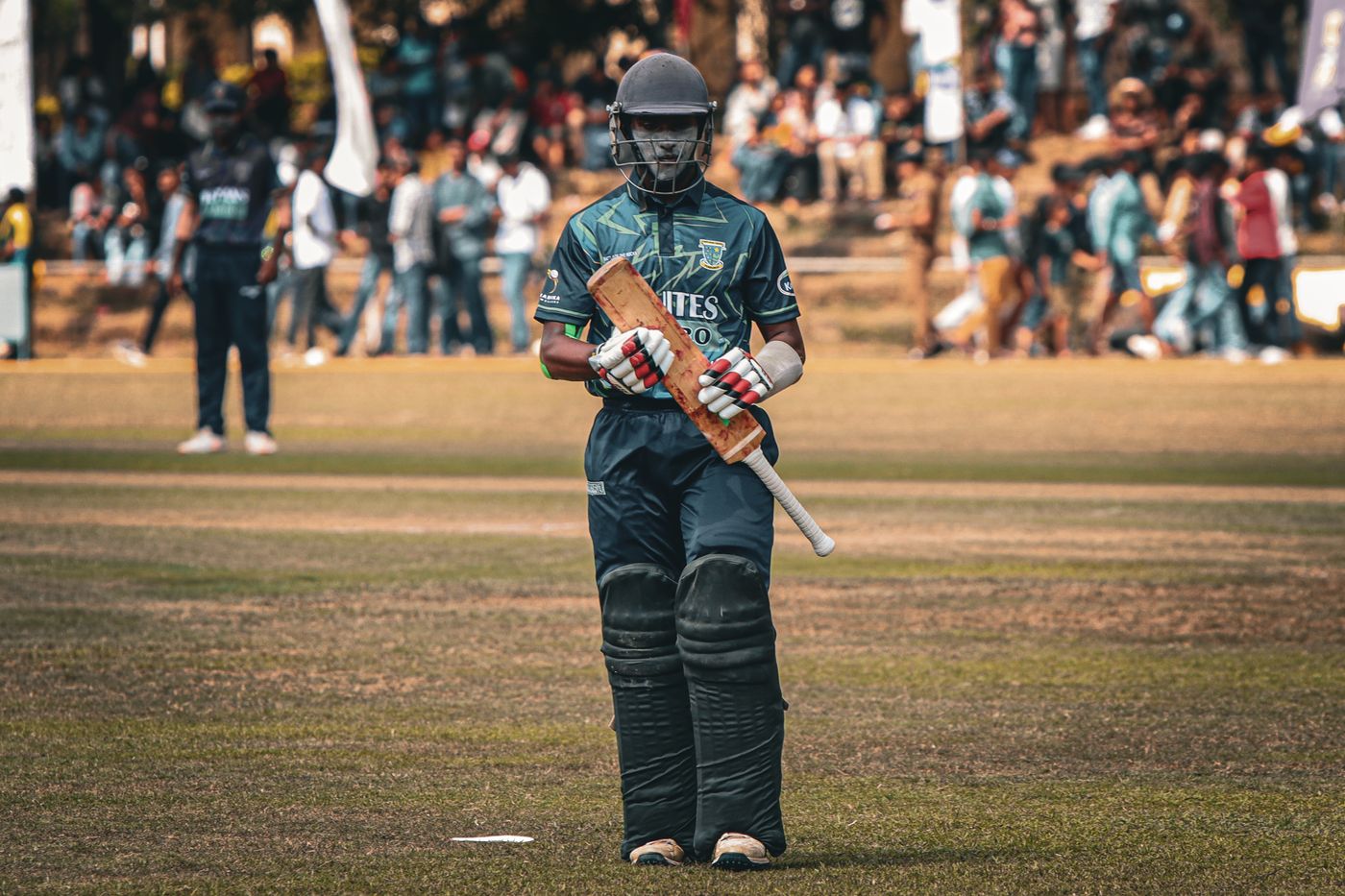
A left-handed batter usually needs left-handed batting gloves and may benefit from left-handed batting pads and body protection because the lead side changes. The bat itself, helmet, shoes, abdominal guard and most clothing are normally not handed, although every item still has to fit. Do not choose by the product title alone: put the full kit on, check which hand or leg receives the extra protection, and movement-test stance, backlift, front-foot stride and running before buying.
Handedness changes the exposed side, not the whole kit
A left-handed batter stands with the right shoulder and right leg nearer the bowler. That reverses the lead side compared with a right-handed batter.
Some cricket equipment is shaped or reinforced around that difference. Other items are symmetrical and should be selected only by size, fit and playing conditions.
The simplest buying rule is:
- Batting gloves: handed
- Batting pads: often handed or lead-leg shaped
- Thigh, arm and chest guards: may be handed or side-specific
- Bat: normally universal
- Helmet, abdominal guard, shoes, bag and clothing: normally universal
“Normally” matters. Product construction varies, so confirm the exact item rather than assuming every model follows the same design.
Left-handed batting at a glance
| Equipment | Handed? | What to verify |
|---|---|---|
| Batting gloves | Yes | Label and extra lead-hand protection |
| Batting pads | Often | Lead-leg wing and knee-roll orientation |
| Thigh guard | Often | Outer and inner guard sit on correct legs |
| Arm guard | Sometimes | Covers exposed lead forearm without restricting swing |
| Chest guard | Sometimes | Shape and straps suit exposed side |
| Cricket bat | Usually no | Size, pickup, handle, profile and condition |
| Helmet | No | Size, label, faceguard clearance and stability |
| Abdominal guard | No | Size, compatible supporter and secure position |
| Shoes | No | Fit, surface and outsole type |
| Wicketkeeping gear | Usually no | Keeping position, size and model-specific design |
Batting gloves: the clearest handed item
Batting gloves protect both hands, but the two gloves are not always mirror copies. Makers may place stronger side bars, inserts or additional coverage on the hand more exposed in the batting stance.
For a left-handed batter, check that the package or product variant explicitly says left-handed. Do not rely on a photograph of a single glove.
How to identify the correct pair
- Read the sewn label and packaging.
- Confirm which glove has the more substantial side protection.
- Put both gloves on and hold the bat in a left-handed stance.
- Check that protection covers the exposed sides without creating a hard pressure point.
- Close the fingers around the handle and test top- and bottom-hand movement.
Size remains separate from handedness. Measure from the wrist crease to the top of the middle finger and compare with the exact maker’s chart. A correct left-handed pair can still be too small, too long or too bulky.
Use our cricket glove size guide and sausage versus split-finger glove guide to separate size, construction and handedness.
Players comparing stocked variants can use this New Zealand left-handed batting-glove selection as a retail reference, then verify the handed label and size on the exact pair.
Batting pads: look at the lead-leg design
Traditional batting pads often have an outer side wing that provides additional wrap or coverage. On a left-handed batter, the lead leg and exposed orientation are reversed.
Some pads are sold as a dedicated left-handed pair. Others use a design that can be worn by either batter. Never assume from a front-facing catalogue image.
Put the pads on the correct legs
Before tightening the straps:
- identify any left/right labels
- locate the larger side wing
- check the top-hat and knee-roll shape
- look for model instructions or a diagram
Then fit the pads over cricket trousers and with normal playing shoes.
The kneecap should sit in the centre of the knee roll or cup. The pad should not rotate in a forward stride, jog or squat. The wing should cover the intended exposed area rather than sitting on the inside of the wrong leg.
See our cricket pad size guide for the knee-to-instep measurement and batting pad buying guide for the movement test.
Thigh guards: inner and outer sides reverse
A combination thigh guard usually includes protection for the outer thigh facing the bowler and an inner-thigh component on the opposite leg. Left- and right-handed versions place these pieces differently.
For a left-handed batter:
- confirm the product is labelled for left-handed batting
- check which thigh receives the large outer shell
- position the inner guard so it does not interfere with running
- set the waist and thigh straps before judging size
- test a deep stance, front-foot stride and back-foot movement
Do not solve incorrect orientation by twisting the belt or swapping straps. That can move the shells away from the intended coverage.
Our thigh guard fit guide shows how to position and movement-test both parts.
Arm guards: protect the exposed forearm
The lead forearm is usually more exposed to a rising or deflected ball. Some arm guards are a simple symmetrical shell; others are shaped for a particular arm or batting hand.
Check:
- left/right or lead-arm labelling
- elbow and wrist clearance
- strap direction
- coverage in stance, not just when the arm is straight
- whether the guard collides with the glove cuff
The guard should stay over the intended area through a shadow swing without limiting elbow bend or forcing the grip to change.
Use the arm and elbow guard fit guide for a step-by-step check.
Chest and rib protectors
Chest guards range from small rib shells to wraparound designs. A model may be universal, reversible or handed.
For a left-handed batter, confirm that the shaped shell covers the exposed rib area in the left-handed stance and remains in place when the upper body rotates.
Test it with the thigh guard and shirt that will be worn in a match. Overlapping straps or shells can create movement that is not obvious when each item is fitted alone.
Our chest guard fit guide explains the coverage and movement checks.
The cricket bat is not a left-handed bat
Standard cricket bats do not have a left- and right-handed face. A suitable bat can be used by either batter.
What matters is:
- correct length
- manageable weight and pickup
- handle shape and grip thickness
- profile and balance
- sound condition
- preparation appropriate to the blade
A player may prefer a particular handle shape or pickup because of technique, but that is a personal fit decision rather than a left-handed product category.
Use our cricket bat size guide first, then compare pickup and profile with the bat weight and pickup guide.
Check the grip orientation
A standard grip works for either hand. If a grip has a pronounced pattern, seam or ridge, rotate it only according to the maker’s fitting guidance and the player’s comfort. Do not add multiple grips to compensate for a bat that is too heavy or a handle that is unsuitable.
Helmet: universal, but fit is individual
A cricket helmet is not left-handed. Select it by head measurement, certification, intended ball-size test, faceguard fit and stability.
New Zealand Cricket’s community policy requires the relevant under-19 hardball players to use a helmet with a faceguard in the specified batting, keeping and close-fielding situations. Check the current policy before the season.
The helmet should remain level through a left-handed batting stance and head turn. Check that the faceguard gives the maker-specified clearance and does not obstruct the player’s view of the bowler.
See our New Zealand cricket helmet guide and helmet replacement guide.
Abdominal guard and supporter
An abdominal guard is generally not left- or right-handed. The important issues are size, shape, a compatible supporter or compression garment and stable positioning.
The guard should cover the intended area without tilting when the player sets up left-handed, runs or bends. A loose guard is not improved by tightening unrelated thigh-guard or pad straps.
Use the abdominal guard fit guide for the fitting sequence.
Shoes and clothing
Cricket shoes, socks, trousers and shirts are normally universal rather than batting-hand specific.
Choose shoes by:
- foot length and width
- heel hold
- surface and venue rules
- bowling, batting and fielding needs
- removable spike or moulded outsole condition
A left-handed batter does not need a “left-handed shoe”. However, wear patterns may differ between feet. Inspect both shoes and do not replace only one worn shoe from a pair.
Use the cricket shoe size guide and spikes and studs guide to choose fit and outsole separately.
Wicketkeeping gloves, inners and pads
Wicketkeeping equipment is usually selected by keeping size and fit, not batting hand. The keeper works with both hands in front of the body.
Check model-specific instructions, because construction varies. Fit wicketkeeping gloves with the inners the player will actually wear, and test a low crouch, take and transfer.
Wicketkeeping pads should keep the knee in the correct position and allow a deep stance without the pad rotating or catching the shoe.
Use the wicketkeeping glove guide and wicketkeeping pad guide.
Fielding and bowling equipment
MCC’s Laws define which external protective equipment is permitted for batters and fielders. Fielders cannot simply wear batting gloves or external leg guards as extra protection; competition rules and umpire consent matter.
Bowling markers, sunglasses, hats, towels and most training aids are not handed. A bowler’s footwear and support needs may differ between feet, but the product is selected by fit, surface and individual advice rather than a left-handed batting label.
Do not assume that an item permitted during batting is automatically permitted in the field.
Junior players: recheck handedness before buying a full kit
Young players sometimes experiment with both stances before settling on one. Avoid buying an entire handed protective set from a brief observation.
Ask a coach to confirm the player’s natural stance and watch:
- which hand is on top of the bat handle
- which shoulder faces the bowler
- which leg leads in the front-foot stride
- whether the stance changes under pressure
Then size each item independently. A “left-handed junior kit” can still contain a bat, pads or gloves that are the wrong size.
Our junior cricket gear checklist helps separate essential items from purchases that can wait.
Buying a pre-packed left-handed kit
Pre-packed kits are convenient, but they often use one size label across several items.
Before buying, confirm:
- glove handedness and exact glove size
- pad handedness, knee position and pad size
- thigh-guard orientation and size
- bat length and pickup
- helmet size and current certification label
- shoe size and surface type, if shoes are included
- whether the bag fits every item without crushing the helmet or pads
Do not accept an unsafe mismatch because the bundle price looks attractive. It can be better to buy a few correctly fitted items separately.
A complete fitting order for a left-handed batter
Fit the kit in this order so overlaps are visible:
- base layer, supporter and abdominal guard
- left-handed combination thigh guard
- trousers
- shoes
- left-handed batting pads
- chest or rib guard
- arm guard
- left-handed batting gloves
- helmet and optional compatible neck protector
Then perform:
- relaxed left-handed stance
- high and low backlift
- front-foot stride
- back-foot movement
- controlled shadow drive and pull
- jog and turn for a second run
- bend to ground the bat
Look for pad rotation, strap collision, glove bunching, helmet movement and exposed areas between guards.
Common buying mistakes
| Mistake | Better approach |
|---|---|
| Buying a “left-handed bat” | Choose the bat by size, pickup and condition |
| Assuming every pad pair is universal | Check side wing and lead-leg orientation |
| Choosing glove handedness but ignoring size | Measure and use the exact maker’s chart |
| Twisting a right-handed thigh guard to fit | Buy the correct orientation and size |
| Buying one bundle size for every item | Fit each component independently |
| Treating helmet choice as handed | Measure the head and verify label and faceguard fit |
| Testing items separately only | Put the complete kit on and movement-test overlaps |
Match-day left-handed kit check
- Glove pair is the correct handed version
- Glove palms, fingers and closures are sound
- Pad side wings face the intended direction
- Knees sit in the pad knee rolls
- Thigh and inner-thigh shells are on the correct legs
- Arm and chest guards cover the exposed side
- Helmet sits level and stable
- Bat size and pickup remain manageable
- No strap or shell interferes with another item
- Shoes suit the surface and venue rules
Handedness is one line on the checklist, not a substitute for fit.
The practical answer
For a left-handed batter, focus first on gloves, pads and side-specific body protection. Treat the bat, helmet, shoes, bag and clothing as fit decisions rather than handed purchases.
Read labels, use the exact size chart and test the complete kit in a left-handed stance. The right item is the one that puts protection in the intended place and stays there while the player moves.