Cricket Pad Size Guide: How to Measure Batting Pads
Find a starting batting-pad size by measuring from the centre of the kneecap to the instep, with junior through oversize adult ranges.
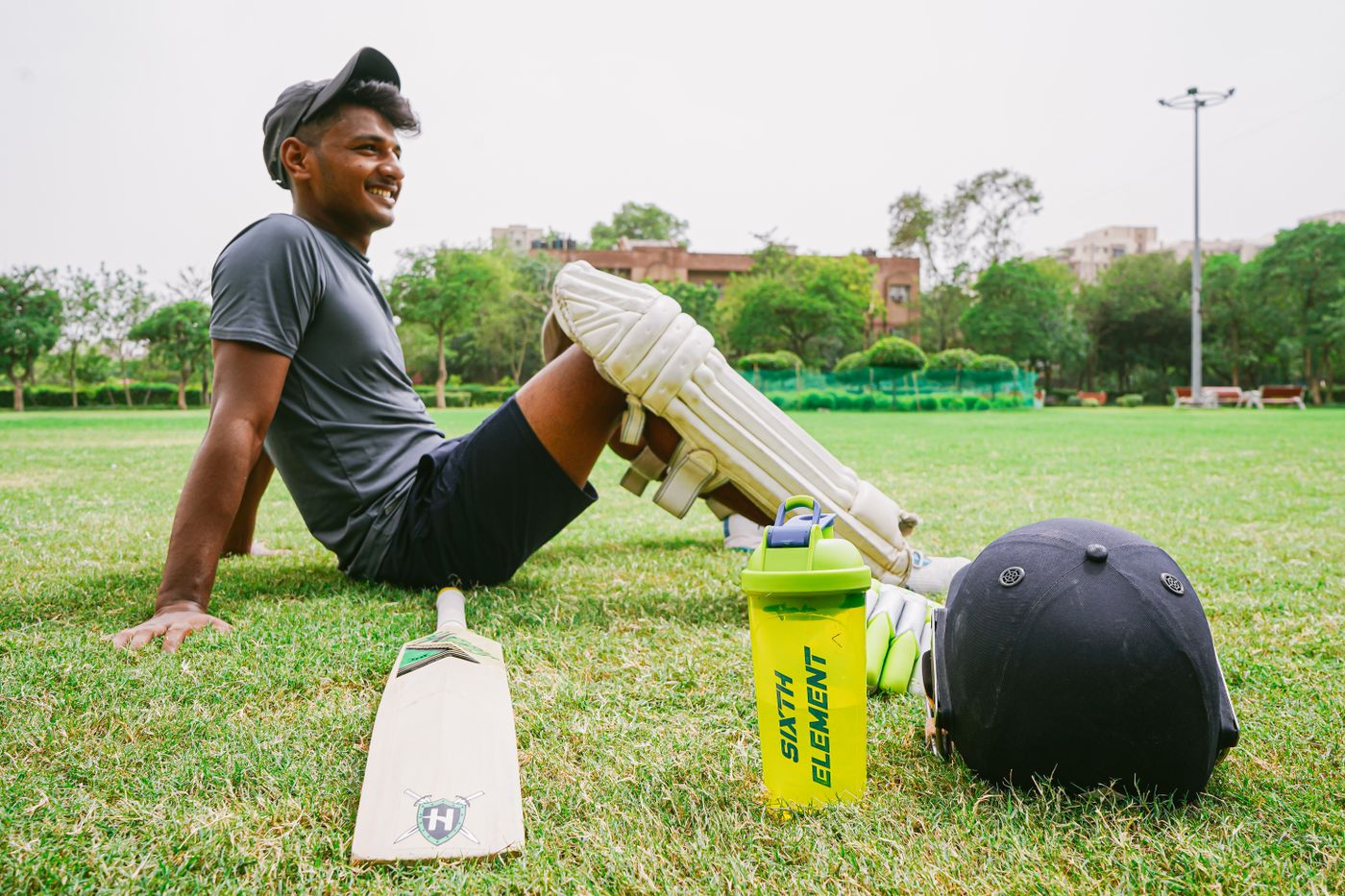
Measure from the centre of the kneecap down to the instep where the tongue of the shoe sits. Current published size charts commonly run from Extra Small Junior below 25 cm to Oversize Adult above 44 cm.
Batting pad size chart
| Knee to instep | Starting size |
|---|---|
| Under 25 cm | Extra Small Junior |
| 25–30 cm | Small Junior |
| 30–35 cm | Junior |
| 35–38 cm | Youth |
| 38–41 cm | Small Adult |
| 41–44 cm | Adult |
| Over 44 cm | Oversize Adult |
How to measure
Stand naturally in cricket shoes. Measure in a straight line from the centre of the kneecap to the instep, roughly where the shoe tongue sits.
How should batting pads fit?
The knee roll should line up with the knee rather than sitting well above or below it. The lower section should sit over the top of the shoe without digging into the foot. Straps should hold the pad securely but should not restrict movement.
Fasten the straps so the pad stays stable, with buckles positioned so they do not interfere with movement.
Traditional, lightweight or slim-fit pads?
Size is only one part of fit. Traditional cane pads generally feel more substantial, lightweight pads reduce bulk for running, and slim-fit designs can suit narrower legs. Pick the fit style after you have the basic length correct.
Use the CricketWise pad size calculator for a quick answer.
Sizing note
Pad cuts differ by brand and model, so use the measurement as a starting point and confirm knee-roll position on the actual product.