Cricket Glove Size Guide: How to Measure Your Hand
Measure batting or wicket-keeping gloves correctly using wrist-to-fingertip length, with junior through oversize adult size ranges.
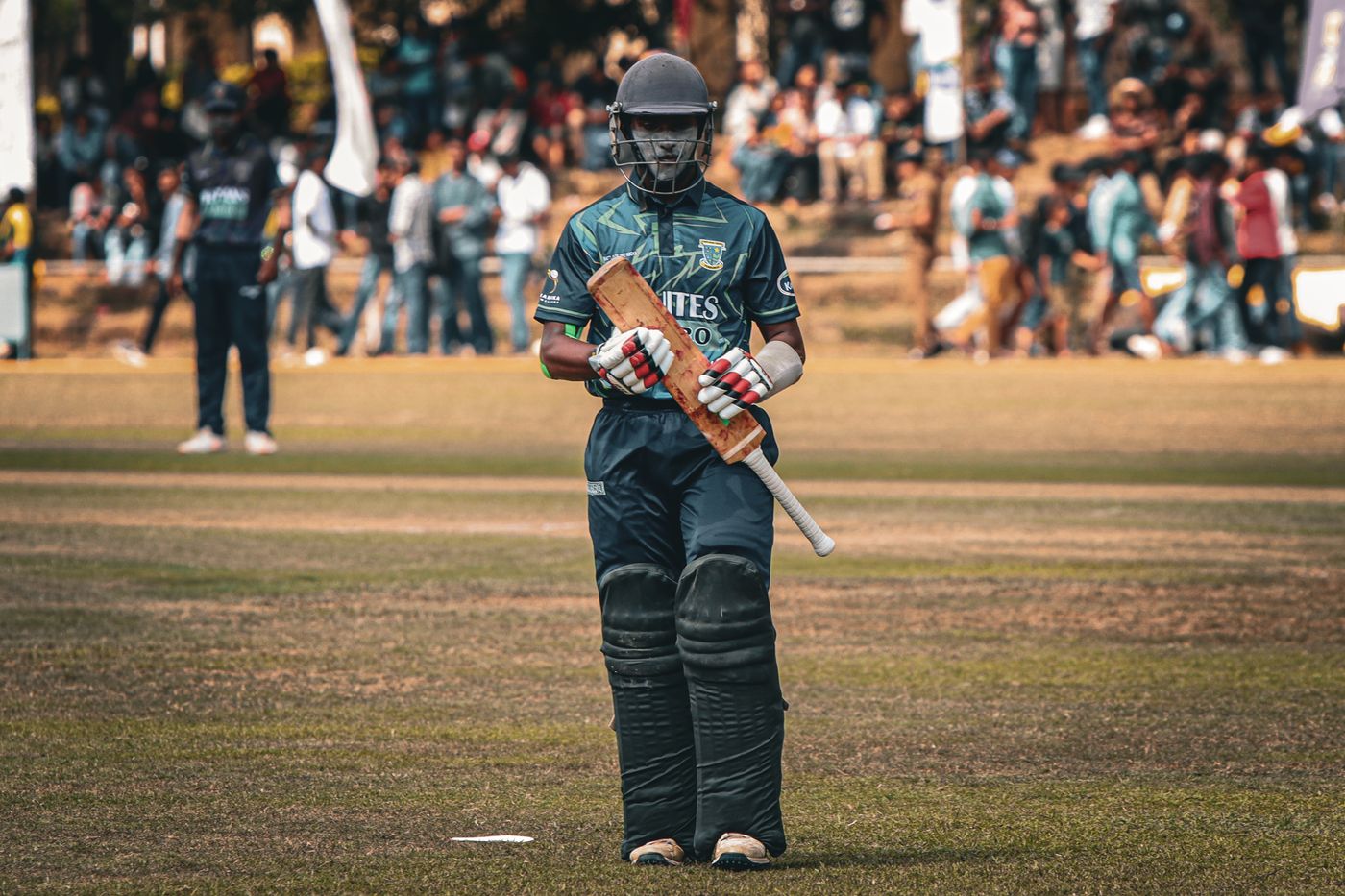
Measure in a straight line from the start of the wrist to the tip of the longest finger. Current published size charts commonly run from Extra Small Junior below 14.5 cm through Oversize Adult above 21.5 cm.
Cricket glove size chart
| Wrist to longest fingertip | Starting size |
|---|---|
| Under 14.5 cm | Extra Small Junior |
| 14.5–16 cm | Small Junior |
| 16–17.5 cm | Junior |
| 17.5–19 cm | Youth |
| 19–20 cm | Small Adult |
| 20–21.5 cm | Adult |
| Over 21.5 cm | Oversize Adult |
These measurements reflect current published cricket sizing ranges and work as a practical starting point for batting, wicket-keeping and inner gloves.
How to measure correctly
Keep the hand relaxed and open. Place a ruler or tape at the first wrist crease and measure straight to the tip of the longest finger. Do not follow the curve of the palm.
How should cricket gloves fit?
The fingertips should sit close to the ends without being jammed against them. The palm should not bunch heavily when gripping a bat, and the wrist closure should secure the glove without cutting circulation.
A glove that is too large can move on the hand and reduce control. A glove that is too small can restrict finger movement and place padding in the wrong position.
Batting gloves vs wicket-keeping gloves
The measurement method is similar, but the products do very different jobs. Batting gloves protect the fingers and hand while preserving grip and bat feel. Wicket-keeping gloves are designed around catching surface, webbing and cuff construction.
Use the CricketWise glove size calculator for an instant starting size.
Sizing note
Manufacturers can vary slightly, so always confirm the exact glove’s own size chart before ordering.