When Should You Replace a Cricket Helmet?
What to do after a severe helmet impact, what certification labels to check and why visible damage is not the only concern.
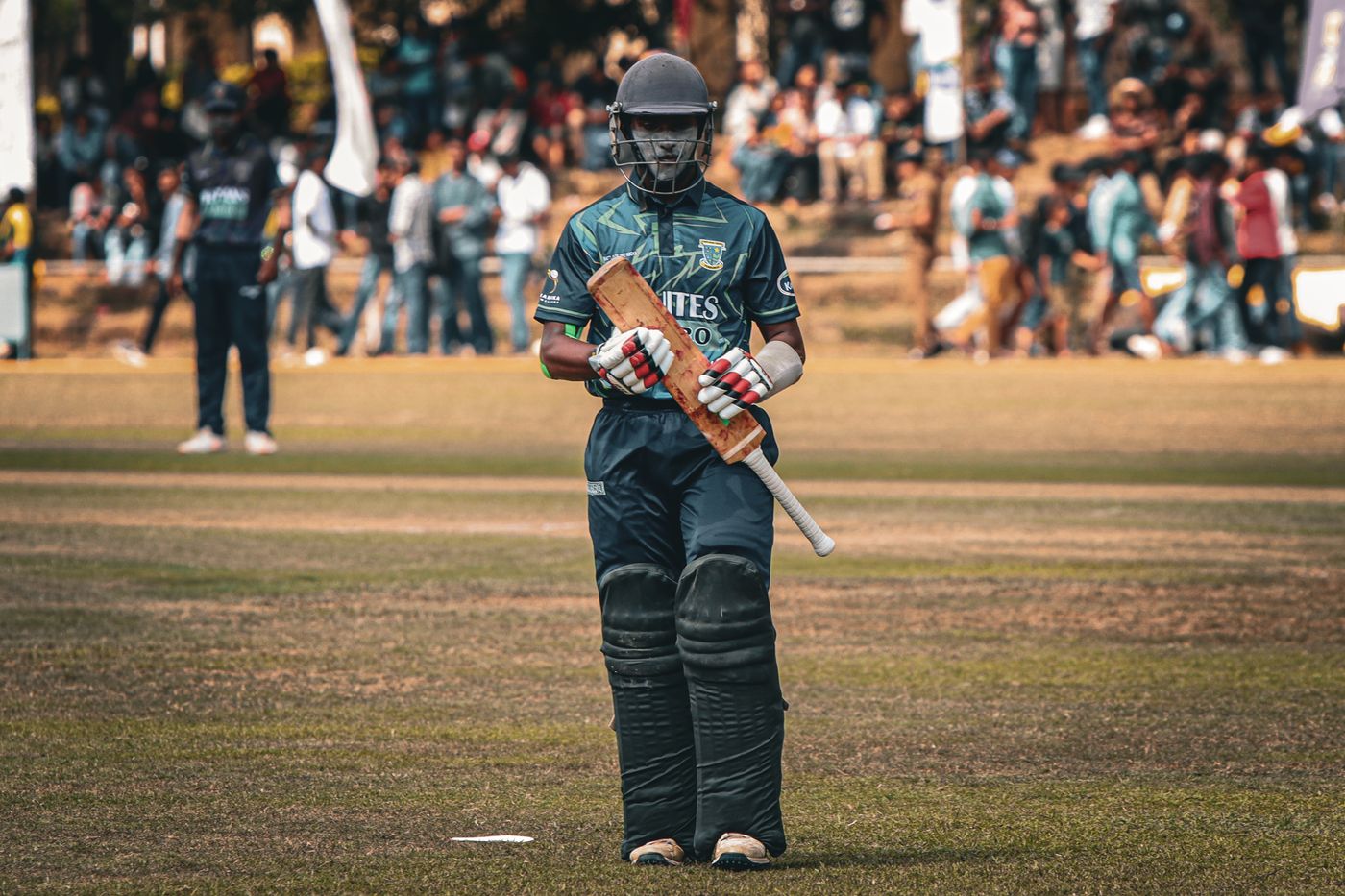
After a severe blow, the ICC says the affected head-protector component should be replaced even if damage is not obvious. Also replace a helmet that is cracked, deformed, poorly fitting or no longer compliant with the standard required for your cricket.
Severe impact is the clearest trigger
The ICC explains that a head protector absorbs impact energy and its structure can be damaged in the process. A component that sustains a severe blow should be replaced even where damage cannot be seen.
Inspect these areas
- shell cracks or distortion
- damaged grille or fasteners
- compressed or degraded internal padding
- loose adjustment systems
- missing certification labels
- fit that has become unstable
Check the standard
The ICC’s current guidance identifies BS 7928:2013 + A1:2019 as the modern head-protector specification, with labelling that indicates whether the helmet was tested against men’s ball size, junior ball size or both.
Junior cricket in New Zealand
NZC requires BS7928:2013 helmets for junior and youth hardball cricket under its current community policy.