How to Dry Wet Cricket Gear After Rain
A practical after-rain routine for safely drying a cricket bat, gloves, pads, helmet, shoes, guards, clothing and kit bag.
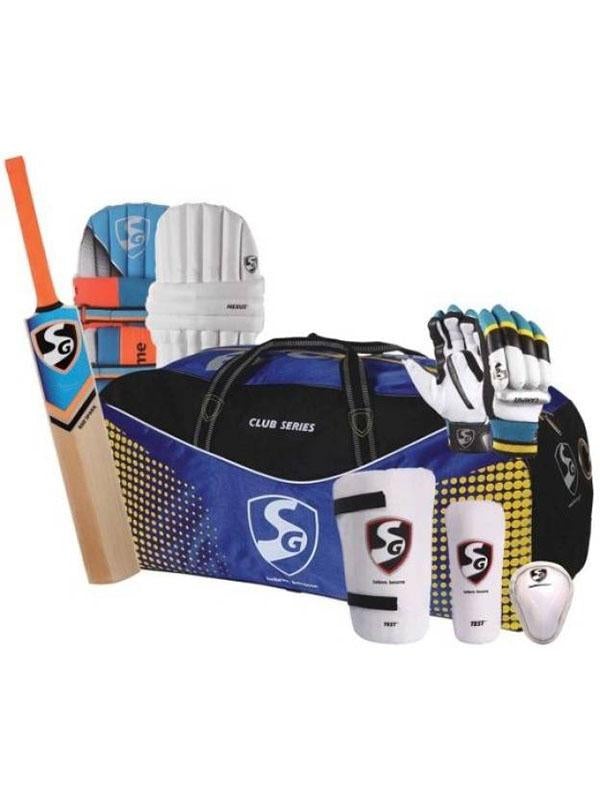
Unpack wet cricket gear as soon as you get home. Blot surface water, open straps and pockets, remove only the liners or insoles the manufacturer allows, and spread items separately in moving air at room temperature. Dry a willow bat naturally and keep it away from heaters, strong sun and hot cars. Do not return gloves, pads, a helmet or the bag to closed storage until every layer is dry, then inspect the kit before its next use.
The first rule: do not leave wet gear in the bag
Rain, a damp outfield and sweat can leave nearly every part of a cricket kit wet. A zipped bag then traps that moisture against foam, fabric, leather, willow, metal fittings and adhesive.
The best response is prompt and unglamorous: unpack everything, separate the items and create gentle airflow. Do not wait until the next training session.
General mould guidance from the US Centers for Disease Control and Prevention says wet items should be cleaned and dried within 24–48 hours where possible. Cricket equipment has product-specific limits, so use that as a reason to act quickly—not as permission to soak, heat or chemically treat a guard, helmet or bat.
The 15-minute after-rain routine
1. Choose a dry, ventilated space
Use a covered room, garage or laundry area with moving air and a dry floor. Keep equipment away from direct heaters, fires and strong sunlight through glass.
2. Empty every compartment
Remove the bat, helmet, shoes, gloves, pads, guards, clothing, towels, drink bottles and small accessories. Check side pockets where a wet cap, tape or ball may have been forgotten.
3. Separate wet from merely damp
Put dripping clothing and towels in a laundry container. Keep them away from protective equipment while you deal with each item.
4. Blot surface water
Use a clean, colourfast towel. Blot rather than scrub finished leather, willow or printed surfaces.
5. Open the equipment
Undo pad straps, glove cuffs and guard closures. Loosen shoe laces. Open the kit bag fully. Remove detachable liners or insoles only when the product instructions allow it.
6. Spread items separately
Air needs access to both sides. Do not stack gloves on pads or put the helmet inside the bag to “keep everything together”.
Quick drying table
| Item | First action | Drying method | Avoid |
|---|---|---|---|
| Willow bat | Blot surface water | Upright in cool moving air | Heater, radiator, strong sun, sealed bag |
| Batting gloves | Open cuffs and fingers | Spread in airflow | Tumble dryer unless label permits |
| Batting pads | Open straps, stand apart | Room-temperature airflow | Folding wet pads together |
| Helmet | Remove from bag, follow manual | Air-dry with grille supported | Solvents, high heat, unapproved disassembly |
| Shoes | Remove insoles if permitted, loosen laces | Stuff lightly with dry paper, then air | Heater, dryer, hot car |
| Guards | Open straps, wipe if permitted | Lay flat or hang as instructed | Soaking shaped foam |
| Clothing | Check care label | Normal laundering and drying | Leaving wet whites against coloured gear |
| Kit bag | Empty and open every pocket | Wipe, then dry fully open | Repacking before seams and base are dry |
How to dry a wet cricket bat
Willow is a natural material. Rapid heat can dry it unevenly; moisture can encourage swelling or warping. Current bat-care advice from a major bat maker recommends natural drying before the bat goes back into the kit bag and storage in a cool, dry place away from radiators, direct sun and extreme temperature changes.
Use this routine:
- Remove the bat from its cover.
- Blot visible water with a clean towel.
- Wipe mud from the toe gently with a barely damp cloth if necessary.
- Stand the bat securely in a cool, dry area with air around the blade.
- Keep the toe off a damp concrete floor.
- Leave stickers, anti-scuff material and toe protection in place unless the manufacturer or a repairer tells you otherwise.
- Inspect the toe, edges, face and splice after the bat is dry.
Do not put a wet bat beside a heater, in an airing cupboard, under a heat lamp or in strong sun. Do not use a hair dryer. A hot car is also a poor drying cabinet.
If the toe is swollen, the face has lifted, a crack has opened or the handle feels different, stop using it and get repair advice. The guides to storing a cricket bat and assessing bat cracks explain the next checks.
Batting gloves
Gloves hold moisture in palms, finger sections, foam and lining.
After play:
- open the cuffs fully
- separate the pair
- blot the palms
- spread the fingers so air can circulate
- position them palm-up for part of the drying time, then turn them
- use a fan on a normal room setting if extra airflow is needed
Do not place gloves directly on a radiator or tumble-dry them unless the care label explicitly permits it. High heat can affect leather, synthetic palms, foam, glue and elastic.
If a removable inner is supplied, follow its separate care instructions. Do not force out a liner that is stitched in.
Before reuse, flex every finger and check seams, palm material, protective inserts and the wrist closure. A hard, cracked palm or displaced finger protection needs attention.
Batting pads and wicketkeeping pads
Open every strap and stand the pads separately. Give the padded face and internal wings room to breathe. If the surface is muddy, let loose mud dry enough to brush away or wipe it according to the care label; do not grind grit into wet fabric.
Rotate the pads during drying so the inner and outer faces receive airflow. Thick knee rolls and side wings often stay damp after the front feels dry.
Check:
- knee padding for bunching or collapse
- straps for stretch and damaged stitching
- cane, plastic or foam sections for deformation
- buckles and hook-and-loop closures for mud
- any leather or synthetic facing for cracking
Our batting-pad buying guide and wicketkeeping-pad guide cover fit and replacement signs.
Helmet and neck protector
Remove the helmet from the bag and follow its current care instructions. An official manufacturer help page advises air-drying a helmet after use and taking it out of the kit bag at home.
For a basic routine:
- Wipe the shell and grille with a soft cloth if permitted.
- Open or remove comfort liners only in the way the manual allows.
- Air-dry the helmet at room temperature.
- Keep the grille supported so it is not bent under other kit.
- Dry an attached neck protector according to its separate instructions.
Do not soak the helmet, use solvents, spray unknown disinfectants onto impact foam or remove structural parts without approval. Heat can damage foams and adhesives.
Before the next session, check the shell, grille, fasteners, padding, chin strap and any neck protection. If the helmet has taken a significant impact or you are unsure about damage, use the helmet replacement guide and the maker’s advice.
Cricket shoes
Mud and water stay around the upper, insole, tongue and studs.
- Knock off loose mud outdoors once it can be removed without smearing.
- Loosen the laces and pull the tongue forward.
- Remove the insole only if it is designed to come out.
- Blot the inside.
- Stuff the shoe lightly with plain absorbent paper to draw moisture out.
- Replace wet paper and continue air-drying.
Do not overpack the toe with paper, because that can distort the shape. Avoid newspapers if ink transfer matters. Keep shoes away from direct heat, which can harden uppers and weaken adhesives.
Once dry, inspect studs or spikes, the sole bond and the heel. The cricket-shoe size guide explains the fit signs to recheck if a shoe feels different after getting wet.
Thigh, arm, chest and abdominal guards
Open straps and remove guards from compression garments or supporters when the design permits. Wash the fabric garment separately according to its label.
Wipe the protective piece only with the method approved by the maker. Lay shaped guards so their form is supported; do not fold them to fit on a shelf. Air-dry before closing straps or returning them to the bag.
Inspect rigid shells, layered foam, edge binding, seams and closures. Do not rely on a cover that looks dry—the inner foam and strap attachment points may still hold moisture.
For fit checks after drying, use the guides for thigh guards, arm guards and abdominal guards.
Clothing, towels and caps
Separate wet textiles from the protective equipment immediately. Follow garment labels for washing temperature, colours and drying.
Do not leave damp whites pressed against coloured gloves, towels or bag linings. Colour transfer is easier to prevent than reverse.
Check pockets before washing. Cricket balls, coins, tape rolls and spare studs can damage a washing machine or the garment.
Cricket balls after a wet session
Club and training balls should be accounted for separately. Blot them, spread them in moving air and follow the supplier’s instructions. Do not heat them or apply unapproved polish, oil or chemicals.
A leather ball that has become misshapen, split at the seam, unusually soft or unsafe should be taken out of use. Competition balls are also governed by the match officials and playing conditions; drying a ball later does not make an altered ball suitable for continued match play.
Dry the kit bag itself
The bag is often the last wet item and the first one people repack.
- Turn out loose dirt.
- Open the main compartment, bat sleeve, shoe tunnel and every small pocket.
- Remove any stiff base insert if the design permits.
- Wipe the lining and base according to the care label.
- Stand or hang the bag so air can reach the underside.
- Check seams and foam panels before repacking.
Keep the bag open until it is dry throughout. A dry glove placed in a damp pocket is wet gear again.
The match-day packing guide can help you repack in a way that separates shoes, drinks and protective equipment.
What not to do
Avoid these shortcuts:
- sealing wet gear in plastic bags
- leaving the full kit in a car boot overnight
- aiming a space heater at the equipment
- using a hair dryer on willow, foam or adhesives
- putting unapproved protective items in a tumble dryer
- spraying perfume to hide odour
- using bleach or solvent without product approval
- stacking heavy items on a wet helmet or shaped guard
- oiling a wet bat before it has dried and been inspected
Odour is a warning to find and remove moisture, not something to mask.
A club drying station after wet training
Clubs can make the process easier with a simple sign-out and drying routine:
| Station | Action | Owner |
|---|---|---|
| Return table | Count shared balls, helmets and pads | Session lead |
| Wipe-down area | Remove surface water and mud | Equipment helper |
| Ventilated racks | Separate pads, gloves and guards | Kit manager |
| Laundry bin | Isolate washable bibs and towels | Team manager |
| Inspection tray | Hold damaged or uncertain items | Safety lead |
| Dry-storage check | Reinspect before equipment is packed | Named club officer |
Label shared equipment so damp items can be traced and kept out of the next session until dry and inspected. Do not issue a helmet or damaged guard merely because the team is short of spares.
When is gear dry enough to store?
Do not judge only by the exposed surface. Check seams, palm linings, knee rolls, shoe toes, foam edges, strap anchors and bag bases.
An item is ready for storage when:
- no surface feels cool or damp compared with the room
- no moisture appears when a clean dry cloth is pressed into seams
- liners and straps are dry on both sides
- there is no new musty odour
- the shape and fasteners are normal
- the item passes its next-use safety inspection
If mould is visible or a persistent musty smell remains, isolate the item. Follow the manufacturer’s cleaning advice and get specialist guidance where needed. Do not improvise harsh chemical treatment on safety equipment.
Before the next match
- Bat face, edges, toe and handle inspected
- Gloves dry inside every finger
- Pads dry beneath knee rolls and side wings
- Helmet shell, grille, straps and foam checked
- Shoes dry, with sole and studs secure
- Guards dry, correctly shaped and undamaged
- Clothing fully dry
- Kit bag dry in every compartment
- Any questionable item held back for advice or replacement
Sources and update notes
- CDC: Dry Off Wet Items After a Storm — general guidance to clean and dry wet items promptly to reduce mould growth.
- Gray-Nicolls: How to Look After a Cricket Bat and Make It Last Longer — current advice on cool, dry bat storage away from radiators, direct sun and extreme temperature changes.
- Gray-Nicolls Helpdesk: Cleaning and drying a helmet — removing the helmet from the kit bag and air-drying it after use.
- Cricket Australia: Cricket Blast safety resources — wet-weather and equipment-use context for community sessions.
Always follow the current care instructions for the exact item. If drying reveals damage, do not use the equipment until its safety has been resolved.