Cricket Bat Cracks: Repair, Keep Playing or Replace?
A practical guide to reading cricket bat cracks, deciding when to stop playing, what a professional repair can fix and when replacement is the safer choice.
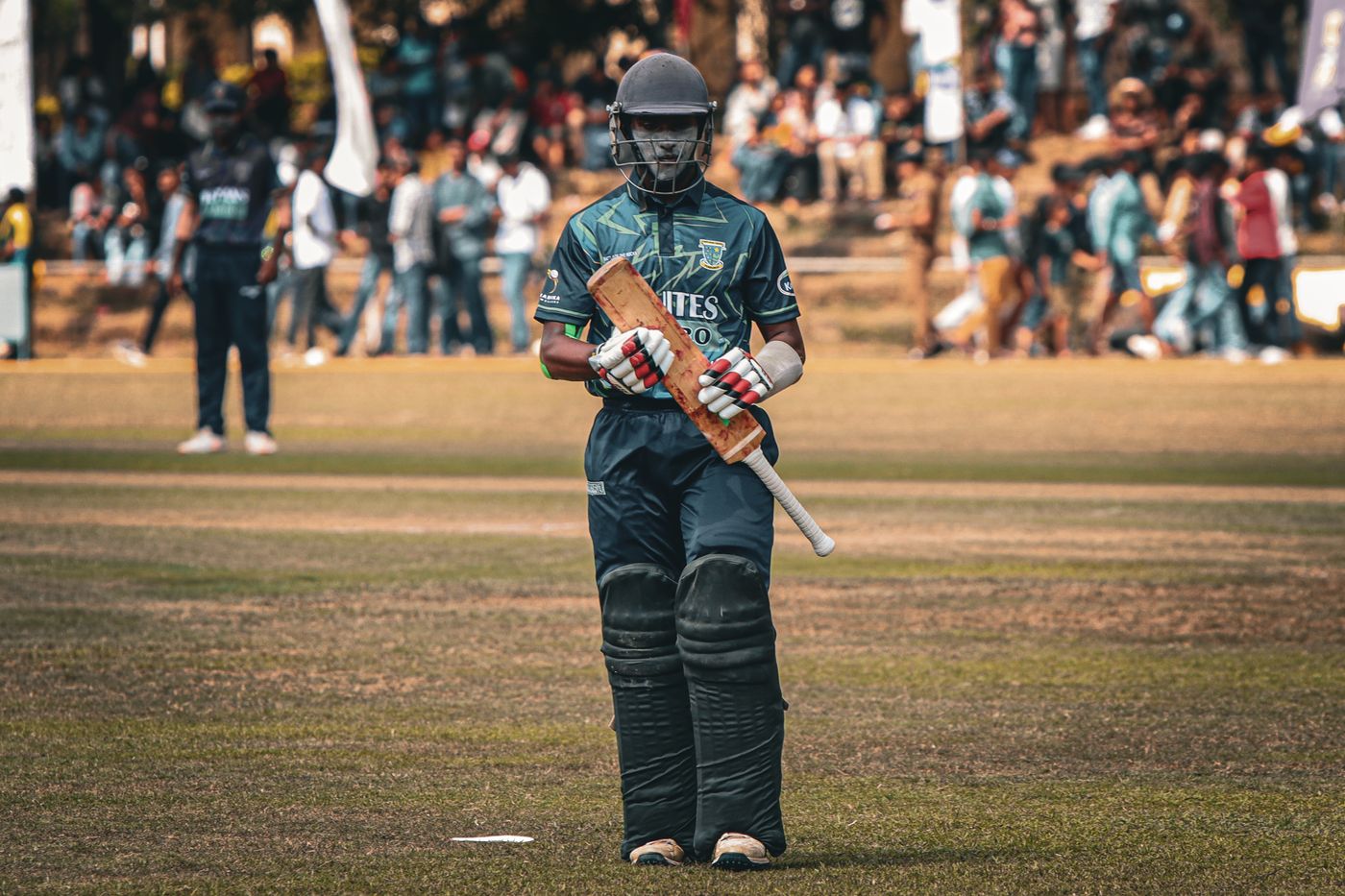
Stop and inspect any crack that opens under light pressure, reaches the edge or toe, sits near the splice, or changes the bat’s sound or feel. Fine surface crazing can often be monitored; opening or structural damage should be assessed and repaired before the bat is used again.
First: not every visible line means the bat is finished
Willow is a natural, relatively soft material. A hard cricket ball repeatedly compresses and flexes the blade, so normal use can produce seam marks, shallow surface lines and small edge cracks.
The useful question is not simply “Is there a crack?” It is:
- where is the damage?
- does it open when the blade is gently flexed or pressed?
- is the wood still firm around it?
- has the bat’s sound, pickup or performance changed?
- did the damage follow a single unusual impact?
A small cosmetic line in the face is a different problem from a split toe, lifting edge or movement around the splice.
A quick crack-triage table
| What you can see | Likely severity | Best next step |
|---|---|---|
| Fine closed lines following the grain | Often surface wear | Photograph, monitor and protect the face |
| Shallow seam dents with no opening | Impact marking | Check preparation and continue cautiously |
| Small edge crack that stays closed | Repairable in many cases | Stop hard-ball use and arrange an assessment |
| Crack that opens under light pressure | Structural damage | Stop using the bat and seek professional repair |
| Split or soft toe | Water or impact damage may be involved | Dry naturally, stop play and have it assessed |
| Crack beside the splice or handle movement | Potential handle/splice problem | Stop immediately and use a repair specialist |
| Large missing piece or multiple connected splits | Major structural damage | Compare repair cost and reliability with replacement |
This is a practical screening guide, not a remote diagnosis. A repairer needs to see the blade, because photographs can hide movement beneath stickers or facing.
Surface crazing versus a structural crack
Surface crazing
Fine lines on the face often follow the grain and remain closed. They may become more visible when the bat is dry or after the protective facing has marked.
Check whether:
- the line catches a fingernail
- the wood moves on either side
- the line becomes wider when very light pressure is applied
- the surrounding area sounds dull compared with nearby willow
If there is no movement and the line remains shallow, record it and inspect it after each session. Do not sand the bat aggressively just to make it look new.
Structural cracking
A crack is more concerning when the sides move independently, the split crosses grain lines, fibres lift, the edge begins to separate, or the bat feels different at impact.
Once a crack opens, every further hard-ball strike can drive dirt and moisture into it or extend it farther through the blade. Continuing “just for one innings” can turn a simple glue-and-clamp repair into a more complicated rebuild.
Where the crack is matters
Face
Small face cracks are common around repeated impact zones. They can often be stabilised, cleaned up and protected if caught early.
The repairer may remove a damaged facing, open and clean the crack carefully, apply a suitable adhesive, clamp it, then refinish and re-face the blade. The exact process depends on depth and construction.
Edge
The edge is vulnerable because off-centre impacts combine compression and bending. An edge crack should not be ignored simply because the main face still looks sound.
Stop playing if:
- the edge has lifted or splintered
- the crack opens when the edge is gently pressed
- the shape has flattened or folded
- a section feels loose
Directly hammering the edge or wrapping it tightly in household tape can hide the problem without restoring the timber bond.
Toe
Toe damage can come from yorkers, tapping the pitch, spikes, hard floors or moisture. A wet toe can soften, swell and lose strength before it cracks.
If the toe is damp:
- remove the bat from the bag
- wipe off surface moisture
- let it dry indoors with normal airflow
- keep it away from heaters, hair dryers and direct high heat
- arrange an assessment once dry
Do not seal visible moisture beneath a new toe guard.
Shoulder and splice
Damage near the shoulders or splice deserves prompt attention. The splice transfers force between handle and blade; movement, creaking or a change in handle alignment is not a cosmetic issue.
Stop using the bat if the handle feels loose, twisted or unusually flexible, or if a crack runs into the splice.
Back of the blade
Back cracks are less common and can signal an unusual impact, compression or deeper movement. Because the rear profile carries much of the bat’s structure, have back damage assessed rather than covering it.
Five signs you should stop playing immediately
- The crack visibly opens under light hand pressure.
- The handle or splice moves, creaks or feels loose.
- A piece of willow is lifting or could detach.
- The toe is soft, wet, badly split or distorted.
- The bat suddenly sounds dull, vibrates differently or feels unstable.
Put the bat aside, note when the damage happened and take clear photographs before removing labels or facing. That record can help a retailer, repairer or manufacturer assess the cause.
Can you repair a cricket bat yourself?
Minor maintenance is different from a structural repair.
Replacing a worn grip, checking a loose toe guard or fitting a protective facing may be manageable if the manufacturer permits it. Opening a crack, selecting adhesive, clamping at the right pressure and refinishing the blade require more judgement.
Common DIY mistakes include:
- forcing thick glue only into the visible top of the crack
- clamping so hard that the profile is crushed
- sanding through stickers or too deeply into the face
- trapping moisture
- driving screws or hard fixings into the blade
- covering an active split with tape and returning to play
If the bat may be under warranty, contact the retailer before attempting repair. An unauthorised intervention can make the cause harder to assess.
What a professional repair can usually address
Depending on the damage, a workshop may be able to:
- stabilise and clamp a face or edge crack
- rebuild a damaged toe
- refit or replace a toe guard
- remove and replace an anti-scuff facing
- refurbish a worn face
- replace or reset a handle
- bind and finish a repaired area
Repair does not make the bat new. The goal is to restore practical serviceability while preserving as much original willow and profile as possible.
Ask the repairer:
- whether the crack is cosmetic or structural
- what material must be removed
- whether the repaired area will need a facing
- how long the adhesive needs to cure
- whether the bat needs additional knocking-in
- what limits apply after the repair
When replacement is the better decision
Replacement becomes more sensible when:
- several structural cracks connect
- a large section of willow is missing
- the handle and blade both need major work
- the blade has become soft from moisture
- a previous repair repeatedly fails
- the estimated repair cost approaches the value of a suitable replacement
- the player no longer trusts the bat at match pace
For a junior, also check whether the player has outgrown the bat. Spending heavily on a major repair makes less sense when the bat is already too long or heavy.
If replacement is the better option, confirm the length before buying. NZ Cricket Store’s cricket bat size calculator gives a quick height-based starting point; pickup and strength still need a real-world check.
What about warranty?
Willow is expected to mark and develop some surface wear. A warranty normally covers manufacturing faults, not every crack caused by impact, insufficient preparation, moisture, misuse or normal wear.
Before making a claim:
- stop using the bat
- keep proof of purchase
- photograph the full bat and the damaged area
- record the ball, session and impact if known
- contact the retailer before altering the blade
Let the retailer and supplier determine whether the bat should be repaired, replaced or treated as wear.
How to reduce crack risk
No preparation makes a willow bat indestructible, but good habits reduce avoidable damage.
- Follow the exact preparation instructions supplied with the bat.
- Knock the bat in progressively before hard new-ball use.
- Oil exposed natural willow lightly when the maker recommends it.
- Use a fitted facing or edge protection where appropriate.
- Keep the bat dry and never store it against a heater.
- Use a bat sleeve inside the kit bag.
- Avoid tapping concrete, hard floors or spikes with the toe.
- Inspect the face, edges, toe and splice after every few sessions.
- Repair small damage before it spreads.
A five-minute inspection routine
After the bat is dry and clean:
- Look down the face in angled light.
- Run a fingertip gently along the grain and edges.
- Check the toe for softness, swelling or lifting.
- Hold the blade and gently test for obvious handle movement.
- Compare the sound of light knuckle taps across nearby areas.
- Photograph any new line with a ruler for scale.
- Put the bat away dry in its cover.
Never perform a forceful “flex test.” The inspection should reveal existing movement, not create new damage.
The practical decision
Keep playing only when the mark is shallow, closed and stable, and the bat feels normal. Stop and seek an assessment when the crack opens, reaches a vulnerable structure or changes the bat’s behaviour.
Early repairs are usually simpler. When the damage is major, repeated or combined with an unsuitable size, replacement may be the better long-term decision.