Cricket Base Layers Guide: Fit, Warmth, Movement and Match Rules
Choose cricket base layers and compression clothing for cool, hot or changeable conditions, with practical fit, fabric, uniform, care and junior-sizing checks.
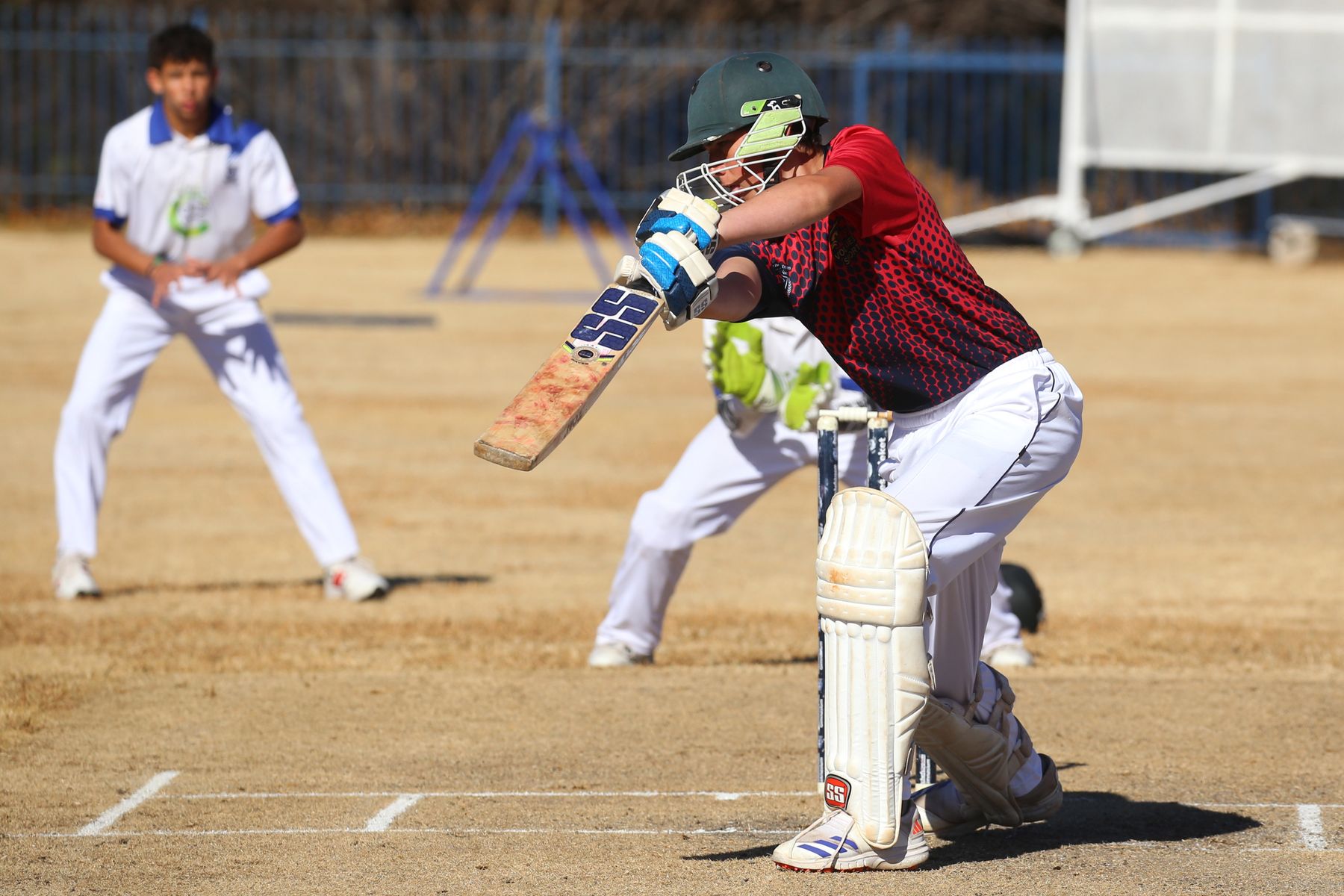
Start with the competition's clothing rules, then choose the lightest base layer that solves a real problem: warmth, moisture movement or comfort beneath protection. It should sit smoothly without restricting the bowling shoulder, batting stance or sprinting stride. Test it under the exact shirt, trousers and guards the player will use, and avoid a size so tight that it causes numbness, pressure or limited movement. Pack a dry spare for long or wet days, and follow the garment's care label.
A base layer should make cricket clothing work better without becoming noticeable during play. It can add warmth on a cold morning, move moisture away from the skin, reduce rubbing beneath pads or provide a smooth layer under a pale match shirt.
It can also create problems when it is too hot, too tight, the wrong colour or badly positioned beneath protective equipment. The useful question is not “Do cricketers need compression clothing?” It is “What does this player need the layer to do in these conditions?”
Base layer, compression garment or thermal?
These labels overlap, so read the construction and intended use rather than relying on the product name.
| Garment type | Main purpose | Useful features | Watch for |
|---|---|---|---|
| Lightweight base layer | Moisture management and a smooth first layer | Thin fabric, flat seams, close fit | Can still feel hot in humid weather |
| Compression-style top or short | Close support and minimal fabric movement | Stretch, shaped panels, secure waistband | Excess pressure, rolling hems, restricted movement |
| Thermal base layer | Warmth in cold conditions | Brushed inner face, heavier knit, long sleeves or legs | Overheating once activity increases |
| Protective undershort | Holds an abdominal guard or integrated padding | Purpose-built pocket, secure leg fit | Guard position must be checked in cricket movement |
| General sports layer | Flexible use across activities | Often easy to source and replace | May not suit cricket whites, guards or team colours |
“Compression” is not a promise of better performance. For most club players, the practical benefits are stable fit, comfort and layering. Treat medical or recovery claims cautiously and seek qualified advice for a health condition.
Check the playing conditions before buying
International, domestic, school and community competitions can use different clothing rules. New Zealand Cricket publishes current domestic playing conditions and policies, while local associations and clubs may add uniform requirements.
Ask the team manager or competition organiser:
- must visible underlayers be white, a team colour or another approved shade?
- may long sleeves extend beyond a short-sleeve match shirt?
- are logos restricted?
- are tights or leggings permitted beneath shorts or trousers?
- does the team supply a standard garment?
- are there different rules for training and matches?
The ICC’s current playing conditions and clothing regulations are the authority at international level. They provide useful context, but they do not replace the regulations for a local competition.
Do not assume that a layer is acceptable because it is mostly hidden. Cuffs, necklines and hems can become visible when the player bowls, dives or reaches overhead.
Choose by conditions and role
Cold mornings and windy grounds
A long-sleeve top can add warmth without the bulk of a heavy outer garment. Start with a moderate-weight layer rather than the thickest thermal available. Cricket intensity changes: a player may stand in the field for several overs and then sprint repeatedly.
Fast bowlers often warm quickly during a spell. Wicketkeepers may stay in a crouched position for long periods. A substitute or junior waiting to bat may need an outer layer off the field even if a base layer is sufficient during play.
Warm or humid days
Choose light fabric, minimal seams and a fit that permits air movement beneath the match shirt. A base layer cannot make heat disappear. Shade, breaks, fluids and appropriate sun protection still matter.
If the player feels hotter with the layer, remove it at an appropriate break rather than treating it as compulsory kit.
Changeable New Zealand weather
Use a modular system:
- close-fitting base layer when needed
- correctly sized match shirt
- approved vest or sweater for added warmth
- weatherproof outer layer for use off the field or where rules allow
This is more adaptable than buying an oversized match shirt to fit one bulky thermal. Our cricket whites guide covers the complete uniform system.
Fit: close, not restrictive
A base layer should lie smoothly against the body without forcing the player into a posture or leaving deep pressure marks.
Check the top through:
- full overhead reach
- bowling-arm rotation on both sides
- a low catching position
- a batting stance and forward stride
- a wicketkeeping squat if relevant
- a short sprint and controlled stop
Check shorts or tights through:
- a deep squat
- front and side lunges
- repeated high-knee steps
- a batting stride
- bending to field a ball
- putting on and removing pads
Stop the test if the garment causes numbness, tingling, pain, unusual shortness of breath or restricted movement. A smaller size is not automatically “more compressive” in a useful way.
Seams, waistbands and hems
Cricket protection creates pressure points that ordinary gym use may not reveal.
Look for:
- flat seams away from the edge of an abdominal guard
- no raised seam under a pad strap
- a waistband that stays flat in a batting stance
- leg hems that do not roll beneath thigh protection
- sleeves that remain clear of the bowling wrist
- a neckline that does not show above the team shirt if rules prohibit it
Wear the layer for a full practice before a match. Five minutes in a fitting room will not reveal rubbing that begins after an hour.
Wearing a base layer with protective equipment
Fit the equipment over the exact clothing system used in play.
Thigh guards
A smooth undershort can help a strapped or integrated thigh guard sit consistently. It must not pull the guard out of position. Use the CricketWise thigh-guard fitting guide to check coverage after adding the layer.
Abdominal guards
If the undershort includes a guard pocket, confirm that the guard is the correct way up, fully seated and stable during running, batting and crouching. Read our abdominal-guard fit guide for the complete check.
Batting pads
Long tights can reduce loose fabric beneath pad straps, but wrinkles still matter. Smooth the leg before tightening the straps. Do not use extreme strap tension to control a layer that is sliding.
Helmet and neck protection
Keep high collars and hoods clear of the helmet, chin strap and any neck protector. Clothing must not change how protective equipment sits.
Fabric choices
Polyester and nylon blends
These are common because they can be light, stretchy and quick drying. Construction matters: a dense fabric may feel warmer than its fibre label suggests.
Merino or wool blends
Wool blends can provide warmth across variable conditions. They may cost more and can need gentler washing. Check whether the fabric is smooth enough beneath straps and whether the player tolerates it against the skin.
Elastane content
Stretch fibre helps recovery and close fit. More elastane does not automatically mean a better garment. Panel shape, size and seam placement determine how the finished piece moves.
Cotton-rich layers
Cotton can feel comfortable at first but tends to hold more moisture and dry slowly. It may suit light training or players who prefer it, but pack a dry replacement for a long day.
Short sleeve or long sleeve?
Choose for the problem being solved.
Short sleeves usually create less warmth, stay hidden more easily and avoid fabric at the bowling forearm.
Long sleeves add coverage and warmth but must comply with uniform rules and stay clear of the hand. A thin sleeve should not be assumed to provide tested UV protection unless the garment carries a credible rating.
For sun protection, combine appropriate clothing with shade, a suitable hat and sunscreen. See our cricket caps and sun hats guide.
Base-layer bottoms: shorts or full tights?
Shorts are the most versatile choice beneath cricket trousers. They reduce fabric around the lower leg and work well with batting pads.
Full tights add warmth and can feel smooth beneath trousers, but check:
- colour visibility through pale fabric
- bunching behind the knee
- heat during long spells
- hems under socks or ankle guards
- competition rules
Do not stack several tight layers around the waist or groin. Bulk can change guard position and restrict movement.
Junior sizing
Junior base layers should be easy to put on, remove and manage independently. Avoid buying several sizes large: loose fabric defeats the purpose and can fold beneath equipment.
Check:
- current chest, waist and height against the maker’s chart
- sleeve and leg length during movement
- whether the child can use toilet facilities without assistance
- whether they can remove a wet garment safely
- how the layer fits beneath the actual club uniform
- whether the child can explain any discomfort early
Growth changes fit quickly. Recheck at the start of each season and after a growth spurt.
A simple match-day layering plan
Pack by function rather than filling the bag with duplicates:
- one approved lightweight base top
- one base short or protective undershort
- one warmer option only when the forecast warrants it
- one dry spare top for a long or wet day
- a separate bag for damp clothing
- an approved sweater or vest
- an off-field jacket
The player should know when layers may be changed and where damp gear will go. Our guide to drying wet cricket gear explains the post-match routine.
Washing and care
Sweat, sunscreen and repeated stretching can damage fibres and create odour.
After use:
- remove the layer from the kit bag promptly
- read the garment’s care label
- wash with a suitable detergent dose
- avoid high heat unless the label permits it
- air-dry fully before storage
- inspect seams, elastic and printed areas
Fabric softener can affect some moisture-managing finishes; follow the maker’s instructions. Do not seal a damp base layer beside shoes, gloves or pads.
Replace a garment when it no longer returns to shape, seams become rough, the waistband rolls persistently, fabric turns transparent in stretched areas or the current size restricts movement.
Common mistakes
Buying for a claim instead of a purpose
“Performance”, “technical” and “compression” are broad labels. Decide whether the player needs warmth, moisture movement, protection support or simple comfort.
Testing without cricket equipment
A layer may feel fine alone but rub under pads or move a guard. Test the full system.
Choosing the tightest available size
The correct size should be close and stable, not painful or restrictive.
Ignoring visible colour
Pale match clothing can reveal a dark layer. Check in strong natural light and during movement.
Wearing one thermal in every condition
Conditions and playing role change. Carry options and use the lightest effective layer.
Buying checklist
- competition and team clothing rules checked
- purpose defined: warmth, moisture movement or equipment comfort
- current manufacturer size chart used
- bowling, batting and fielding movements tested
- full protective kit fitted over the layer
- seams sit clear of straps and guard edges
- colour is acceptable beneath match clothing
- care instructions suit the household routine
- dry spare packed for long or wet days
New Zealand players can compare the current cricket clothing range after confirming their team rules and required fit.
Disclosure: CricketWise may earn a commission from qualifying purchases or referrals through selected links, at no extra cost to you. Our editorial judgement remains independent.
Bottom line
The best base layer solves a specific problem and then disappears beneath the rest of the kit. Check the rules, choose a suitable weight, test cricket movements and fit every guard over the complete clothing system.
Close fit is useful; restriction is not. If a layer creates pressure, heat or equipment movement, change the size, construction or garment rather than trying to tolerate it.
Sources and further reading
- New Zealand Cricket: Playing Conditions and Policies
- ICC: Playing Conditions and Clothing and Equipment Regulations
- New Zealand Cricket Community Hub: Laws and Playing Conditions
Image: existing CricketWise editorial asset.