Cricket Whites Buying Guide: Fit, Fabric, Layering and Care
Choose cricket whites for match rules, movement, protection and New Zealand conditions, with fit, fabric, junior sizing, layering and stain-care advice.
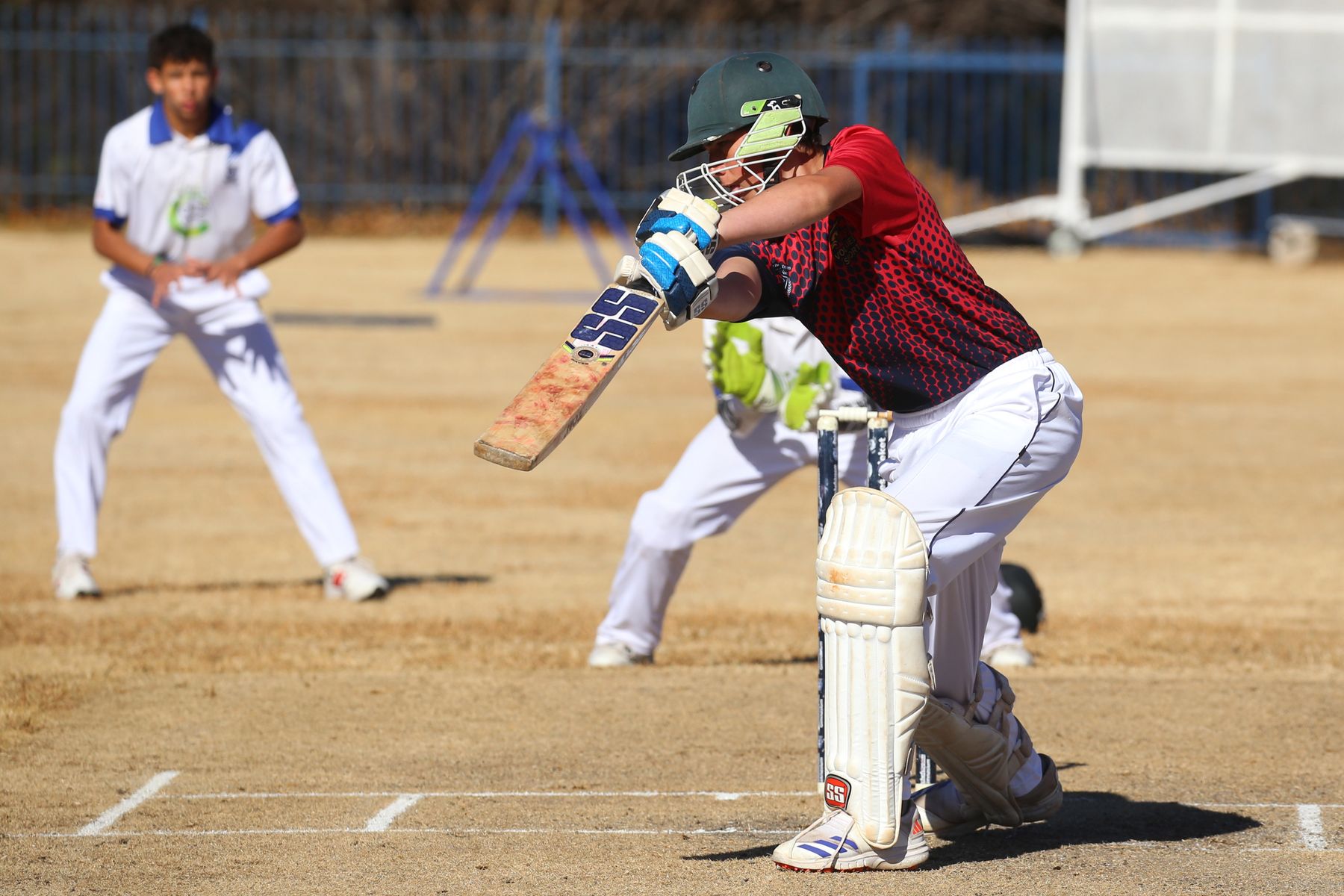
Choose cricket whites that comply with your competition rules, allow a full bowling or batting movement and fit comfortably over required protective equipment. Check shirt length, shoulder reach, trouser rise, thigh room and hem before removing tags. Lightweight synthetic blends usually dry faster; cotton-rich fabrics can feel softer but may hold more moisture. In changeable New Zealand conditions, build a simple layer system with an approved sweater or vest rather than buying an oversized shirt. Juniors need a usable fit now, not several seasons of excess fabric around the hands, pads or shoes.
Why cricket whites are equipment, not just uniform
Cricket clothing has to work through long periods of standing, repeated sprints, deep fielding positions, bowling rotation and protective equipment.
Poor fit can:
- restrict the bowling shoulder
- pull at the waist in a batting stance
- bunch under pads
- cover the hands
- catch on spikes
- trap heat and moisture
- become transparent when wet
The right set looks tidy because it fits and functions properly, not because it is skin-tight.
Check the competition rules first
“Cricket whites” is a useful retail term, but not every competition uses the same clothing rules.
New Zealand Cricket playing conditions have used white clothing and equipment for multi-day cricket while limited-overs competitions may use coloured kits. Local associations, schools and clubs can specify approved garments, numbers, logos or sponsor positions.
Before buying, ask:
- Does this team play in white, cream or coloured clothing?
- Is a club shirt compulsory?
- Are long and short sleeves both allowed?
- Are player numbers required?
- Which logos may appear?
- Are sweaters, vests and base layers restricted?
- Is a second match shirt recommended for tournaments?
The ICC publishes current Clothing and Equipment Regulations for international cricket. They are useful context, but your immediate authority is the playing condition set by your competition organiser.
Do not print names, numbers or sponsor marks until the club has approved the layout.
Shirt fit
A cricket shirt should allow a full overhead reach without pulling tightly across the shoulders or exposing the lower back.
Test it with these movements:
- raise both arms above the head
- rotate the bowling shoulder through a slow action
- bend into a batting stance
- reach forward as if taking a low catch
- turn quickly through the torso
Check that:
- shoulder seams sit near the shoulder point
- the collar does not rub the neck
- sleeves finish clear of the hands
- the body length stays tucked if the team requires it
- there is room for a thin base layer
- fabric does not pull across the upper back
An oversized shirt can be as distracting as a tight one. Excess sleeves can interfere with wrist position and fielding.
Trouser fit
Cricket trousers need space for movement and, for batters, room around protective equipment.
Check:
- waist security without over-tightening the drawcord
- enough rise for a batting stance
- thigh room over an inner thigh guard where used
- knee movement for crouching and sliding
- hem clearance above the shoe sole
- no tight pull across the seat when bending
Try trousers with the player’s normal underwear, base layer and inner guard. A pair that fits in the changing room can become restrictive once protection is added.
If the waist fits but the leg is too long, use a proper alteration. Rolling a thick cuff can bunch around the ankle or sit awkwardly under pad straps.
Fabric choices
Fabric labels matter more than marketing names.
| Fabric type | Typical strengths | Possible trade-offs |
|---|---|---|
| Lightweight polyester | Quick drying, durable, easy to wash | Can retain odour if not washed promptly |
| Polyester with stretch | Good mobility and shape recovery | Usually costs more; stretch percentage varies |
| Cotton-rich blend | Softer hand feel and familiar comfort | Slower drying and can become heavier when wet |
| Mesh panels | Increased airflow in targeted areas | Quality and transparency vary |
| Brushed or heavier knit | Warmer for cool conditions | Can overheat during intense play |
Hold pale fabric up to strong light before buying. Check opacity, especially where the garment stretches.
Moisture-wicking language does not mean a shirt will stay dry indefinitely. It describes how moisture is moved or spread; ventilation, fit, humidity and playing intensity still matter.
White versus cream
Teams often use “whites” to describe both bright white and traditional cream.
Match the team standard. A single bright-white shirt can look noticeably different beside cream club kit, and replacement trousers bought mid-season may not match an older top.
When colour consistency matters:
- buy top and trousers together
- photograph the care labels and product code
- ask whether the shade will remain in next season’s range
- avoid optical brighteners if the care label warns against them
- replace items as a set when fading is obvious
Natural ageing and repeated washing can change colour. That is different from arriving with a mismatched shade on day one.
Long sleeves or short sleeves?
Choose for comfort, role and team rules.
Long sleeves can provide:
- more skin coverage
- warmth in cool conditions
- a traditional appearance
Short sleeves can provide:
- greater airflow
- fewer cuffs around the bowling wrist
- easier layering under a sweater
A long sleeve should stay clear of the bowling hand and glove. A short sleeve should not be so tight that it restricts the upper arm.
Sun protection is a system. Clothing, shade, a suitable hat and sunscreen may all be needed. A thin white sleeve should not automatically be treated as complete UV protection unless the garment carries a tested rating.
Layering for New Zealand conditions
A day can begin cool, turn bright and finish in wind.
Build layers that can be added or removed without changing the base fit:
- approved base layer if needed
- cricket shirt
- sleeveless vest for core warmth
- long-sleeve sweater for colder periods
- approved outer layer off the field or as competition rules allow
Check that a vest or sweater does not restrict the bowling shoulder. Do not compensate by buying a shirt several sizes too large.
Pack a dry spare top for multi-innings or tournament days. Changing out of a wet shirt during a break can be more effective than relying on one heavy layer.
What to wear under cricket whites
Pale garments can show dark underwear or strongly coloured base layers.
Choose:
- close-fitting, comfortable underwear
- a colour that is not conspicuous through the fabric
- flat seams under pads and guards
- moisture-managing material suitable for the player
Compression garments should not cause numbness, pressure or restricted movement. Junior players should be able to dress and use toilet facilities without complicated layering.
For batters, test the complete system with the CricketWise thigh-guard fitting guide. The guard should sit correctly without the trousers forcing it out of position.
Whites with batting pads
Put on trousers, shoes and pads together.
Check that:
- the trouser leg sits smoothly beneath pad straps
- excess fabric does not twist behind the knee
- the hem does not pull under the heel
- pad wings and straps remain in their intended position
- the player can run, kneel and turn
Do not tuck bulky trouser fabric into a position that creates pressure behind the knee.
If the player is between trouser lengths, alteration is usually better than a large cuff.
Our cricket-pad size guide explains how the pad itself should align with the knee and shin.
Junior sizing
Buying “room to grow” is reasonable only while the garment remains safe and usable now.
Avoid:
- sleeves covering the hands
- hems under the shoes
- a crotch hanging low enough to restrict running
- a waistband that depends on a tightly knotted cord
- so much shoulder width that the shirt rotates during bowling
Use the maker’s current garment chart, because youth size labels are not standard across brands.
Measure:
- chest
- waist
- inside leg
- shoulder width where the chart requests it
- body height
Then compare with the exact product chart. Do not choose solely from age.
Keep tags attached through the movement test and club colour check.
Women’s and girls’ fit
A unisex cut may work for some players, but it should not be the only option considered.
Purpose-designed fits can differ in:
- chest shaping
- waist position
- hip and thigh room
- trouser rise
- shirt length
- sleeve proportion
The correct choice is the cut that permits movement and sits comfortably with protection. Avoid sizing down simply to remove excess fabric if that creates tension across the shoulders or hips.
Teams ordering in bulk should provide fitting samples across cuts and sizes rather than expecting every player to use one block.
Wicketkeepers and bowlers
Wicketkeepers
Test a full squat, lateral step and rise. Trousers need enough knee and seat mobility without sliding down at the waist. A shirt should remain comfortable beneath wicketkeeping pads and gloves.
Bowlers
Test the complete action on both sides. Look for sleeve drag, shoulder restriction and a shirt hem that pulls sharply upward.
Fast bowlers
Prioritise moisture management, spare clothing and seams that do not rub during a long spell.
Spin bowlers
Check that cuffs and sleeves remain clear of the bowling hand and do not obscure the umpire’s view of the action.
Stain treatment
Grass, clay, sunscreen and food stains need different treatment, but early action usually helps.
General routine:
- read the care label
- shake or brush off dry soil
- rinse or pre-treat promptly with a product approved for the fabric
- wash at the labelled temperature
- inspect before tumble drying
- repeat treatment if needed rather than setting the stain with high heat
Avoid chlorine bleach unless the care label explicitly permits it. Bleach can damage fibres, stretch panels, logos and coloured trim.
Do not scrub printed numbers or sponsor marks with a stiff brush.
Washing and drying
After play:
- empty pockets
- loosen drawcord knots
- close hook-and-loop tabs on separate equipment before washing nearby garments
- turn printed clothing inside out if directed
- wash sweaty kit promptly
- use the recommended detergent dose
- air-dry where practical and permitted
Do not leave damp whites sealed in a plastic bag with shoes or pads. Odour and staining become harder to remove.
For the rest of a rain-soaked kit, use our guide to drying wet cricket gear.
Team-order checks
Before a club confirms a bulk clothing order, record:
- approved design and shade
- garment cuts available
- fitting sample process
- size deadline
- spelling and number sign-off
- logo artwork format
- sponsor approval
- lead time
- minimum quantities
- replacement-order policy
- care instructions for players
Nominate one person to approve the final proof. A spreadsheet of names is not enough if nobody checks duplicate numbers, logo positions or last-minute size changes.
Common buying mistakes
Choosing from age alone
Junior proportions vary. Use measurements and a fitting sample.
Testing without protection
Trousers that fit normally may bind over an inner guard or beneath pads.
Buying one heavy shirt for every condition
A lighter shirt plus approved layers is often more adaptable.
Ignoring opacity
Inspect pale fabric stretched and in bright light before removing tags.
Printing before fitting
Personalisation can remove return options. Complete the fit check first.
Mixing white and cream
Confirm the team shade and product code.
Final checklist
- Competition clothing rules checked
- Team shade matched
- Shirt movement tested
- Trousers tested in batting stance
- Pads and inner guard fitted with trousers
- Hem clears the shoes
- Fabric opacity checked
- Layering room confirmed
- Care label read
- Printing approved only after fitting
- Spare top considered for long days
The bottom line
Good cricket whites disappear into the game. They stay secure, move with the player, work with protection and meet the competition’s rules.
Start with the team requirement, then fit the player through real cricket movements. Choose fabric for the conditions and care routine, not from a label alone. For juniors, a correct usable fit now is better than several seasons of distracting excess fabric.