Cricket Caps and Sun Hats: UV Protection, Fit and Care Guide
A practical guide to cricket caps, bucket hats and broad-brim hats: UV protection, UPF labels, fit, ventilation, junior sizing, match use, washing and replacement.
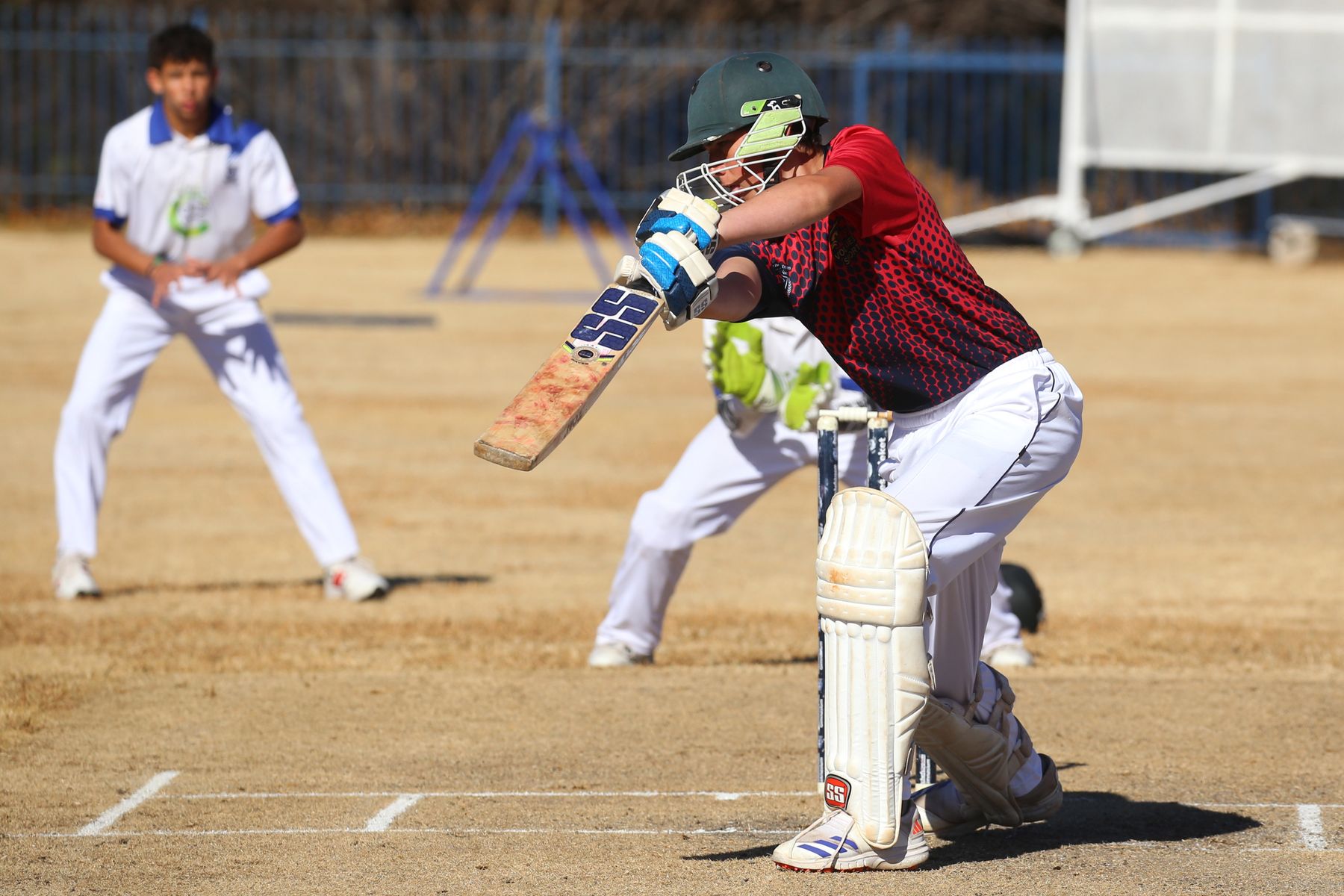
For meaningful sun protection, choose a broad-brim, deep-crown bucket or legionnaire-style hat that shades the face, ears and neck. A traditional cricket cap mainly shades the eyes and forehead; it does not provide the coverage of a SunSmart hat. Look for a secure but comfortable fit, a credible UPF label where available, breathable construction and a brim that keeps its shape. Use a hat alongside shade, clothing, sunscreen and sunglasses whenever the UV Index is 3 or above.
A cricket hat has three jobs: stay on while the player moves, remain comfortable across a long innings or fielding session, and provide the level of sun coverage the wearer expects. Those jobs are not always delivered by the same design.
The traditional cricket cap is part of the game’s identity, but it leaves the ears, sides of the face and neck exposed. A broad-brim, deep bucket or legionnaire-style hat provides much wider coverage. The right choice depends on the role, conditions and competition rules—but the protection difference should be understood rather than assumed.
Why cricket sun protection matters in New Zealand
The Cancer Society of New Zealand recommends sun protection when the UV Index is 3 or above. It notes that this is common from September to April, especially between 10am and 4pm, and can also occur year-round.
Cricket creates prolonged exposure: fielders may spend an entire session outside, scorers and coaches can sit near reflective concrete or pale sightscreens, and juniors often play through the middle of the day.
A hat is only one layer. The Cancer Society’s SunSmart approach combines protective clothing, shade, sunscreen, a suitable hat and sunglasses. No hat makes the other measures unnecessary.
Cap, bucket, broad brim or legionnaire?
| Style | Coverage | Strengths | Limitations |
|---|---|---|---|
| Traditional cricket cap | Forehead and some eye shade | Familiar, light, unobtrusive | Ears, cheeks and neck remain exposed |
| Deep-crown bucket | Face, ears and part of neck | Good balance of coverage and secure fit | Soft brim may collapse or obscure vision if poorly designed |
| Broad-brim hat | Face, ears and neck | Widest all-round shade | Brim can catch wind; must not obstruct vision |
| Legionnaire style | Face plus ear and neck flap | Strong neck and ear coverage | Flap may feel warm; less traditional appearance |
| Visor | Eyes and forehead only | Maximum crown ventilation | No scalp, ear or neck coverage |
SunSmart New Zealand specifically recommends broad-brimmed, bucket or legionnaire hats and does not recommend baseball-style caps or visors as adequate sun protection.
That does not mean a cricket cap has no value. It means it should be described honestly: useful for glare and team identity, but incomplete as a sun-protection strategy.
Brim dimensions: a practical reference
SunSmart publishes minimum brim guidance for protective hats:
| Age | Broad brim | Bucket brim |
|---|---|---|
| Children 0–8 | 5 cm | 5 cm |
| Children 9–11 | 6 cm | 6 cm |
| Age 12+ and adults | 7.5 cm | 6 cm |
Measure from the crown seam to the outer edge. The brim should shade without drooping into the line of sight when the player looks up for a catch.
Understanding UPF
UPF—Ultraviolet Protection Factor—describes how effectively a fabric blocks ultraviolet radiation under a defined test. A higher number indicates greater tested protection. Some garments and hats display a UPF rating and the applicable standard.
In New Zealand, the Cancer Society recommends hats that comply with AS/NZS 4399:2017. It also sells independently tested hats rated UPF 50+.
Check the actual label. Colour, thickness or a marketing phrase such as “sun hat” is not the same as a verified rating. Protection can also change when fabric is stretched, worn, damaged or wet.
Fit: secure without pressure
A cricket hat must stay on during a sprint yet remain comfortable for hours.
Six-point fit check
- Crown: Sits fully on the head rather than perching on top.
- Band: Feels secure without headache, deep pressure marks or numbness.
- Brim: Stays clear of the eyes when looking up, down and sideways.
- Wind: Remains stable during a jog and controlled turn.
- Ears and neck: The chosen protective style actually covers the intended areas.
- Helmet change: Can be removed and stored quickly when a helmet is required.
If the hat has an adjustable cord, make sure it has a safe release or is used according to the maker’s instructions. Avoid loose cords around juniors or machinery.
Vision and fielding safety
Protection should not create a new hazard. Test the hat in cricket movements:
- track a high ball from different angles
- look over both shoulders while running
- bend to field and rise quickly
- throw without the brim moving across the eyes
- face into and away from the wind
A brim that collapses when damp or flips over in wind can be distracting. A stiffer brim may hold shape better but catch more wind. Trial the design in training before using it in a competitive match.
Fielders close to the bat may need a helmet rather than a sun hat. Follow competition rules and the relevant safety guidance. A hat provides no protection from ball impact.
Colour and heat
Light colours can feel cooler in direct sun and are traditional in many forms of cricket. Darker fabrics may reduce visible glare through the brim, but perceived heat depends on material, ventilation, fit and conditions.
Do not judge UV protection from colour alone. A labelled, tested fabric is more informative than appearance.
Ventilation features can improve comfort:
- eyelets around the crown
- mesh panels that retain the claimed UPF coverage
- sweat-absorbing internal bands
- light, quick-drying fabric
- a crown with enough depth for airflow
Mesh sections may have a different protection level from solid fabric. Read the label for the whole garment.
Junior cricket hats
Children need a hat that they will keep on. Comfort, visibility and simple adjustment are as important as the specification.
For juniors:
- use the age-appropriate brim dimensions as a starting point
- test the hat while catching and throwing
- write a name or initials on the internal label, not across the protective fabric
- recheck fit during growth spurts
- keep a spare for school or club if hats are frequently misplaced
- make sun protection part of the team routine, not a punishment for one child
Coaches can add the UV forecast and sun-protection reminder to the training-session safety briefing. Clubs should also provide shade and water breaks rather than relying on individual hats.
Caps for batting and bowling
Bowlers often prefer a light cap that stays stable during the run-up. Batters may wear a cap before or after using a helmet, subject to match rules. The priority is a clean transition:
- store the cap where it will not be stepped on
- never wear it under a helmet unless the helmet maker explicitly permits that setup
- do not use the cap to change a helmet’s fit
- dry the sweatband before the next session
For helmet fit and inspection, use our cricket helmet size and safety guide.
Hat, sunglasses and sunscreen
These items work together. A wide brim can reduce direct light reaching the eyes, but UV can reflect from the pitch, concrete, water and pale surfaces. Sunglasses should fit securely without the arms creating pressure under the hat band.
See our cricket sunglasses guide for lens and fit checks.
Apply sunscreen according to the product label, including areas not fully shaded by the hat. Reapply as directed, especially after heavy sweating or towelling. Seek shade during breaks whenever practical.
Match-day hat routine
Before leaving home
- check the local UV Index or Sun Protection Alert
- pack the hat dry and uncrushed
- confirm the brim still holds its shape
- pack sunscreen and sunglasses separately
- add a spare cap or hat for a full-day tournament
During play
- put the hat on before taking the field
- use shade at intervals and innings breaks
- adjust only when safely away from active play
- remove a hat that blocks vision or will not stay secure
- change to required protective headgear for close fielding or batting
After play
- air the hat immediately
- wipe or wash the sweatband as the label permits
- reshape the brim before drying
- keep it out of a sealed wet-gear compartment
Washing without ruining the brim
Care labels vary widely because brims may contain foam, plastic, cardboard-like board or stitched fabric layers.
A conservative routine is:
- brush off dry dust and grass
- spot-clean the sweatband with mild detergent if allowed
- hand-wash only when the label permits it
- rinse without twisting the brim
- press water out gently with a towel
- reshape the crown and brim
- air-dry away from direct heat
Avoid a washing machine or tumble dryer unless the maker explicitly allows it. Heat and agitation can distort the brim, shrink the band or damage a water-repellent finish.
When to replace a cricket hat
Replace it when:
- the brim no longer provides the intended shade
- fabric is torn, thinned or permanently stretched
- an adjustable closure fails
- the sweatband becomes rough or cannot be cleaned
- the hat repeatedly falls off during normal movement
- a junior has outgrown it
- the UPF-labelled fabric is damaged or the maker’s useful-life guidance has been reached
Fading alone does not prove UV failure, but visible wear should prompt a closer inspection.
Common buying mistakes
Treating every cap as a sun hat
A front peak does not protect the ears or neck. Match the design to the coverage required.
Choosing a huge brim that blocks catching vision
Measure coverage, then test overhead tracking. More brim is useful only when the player can see and move safely.
Buying one adjustable size for every junior
The closure may tighten while the crown and brim remain the wrong proportions.
Ignoring the UPF label
Fabric appearance cannot confirm tested protection. Look for a credible standard and rating when UV protection is a primary reason for purchase.
Keeping a wet hat in the kit bag
Moisture, sweat and sunscreen residue can damage the band and cause odour. Dry it before storage.
Quick comparison checklist
- style covers the face, ears and neck to the intended level
- brim meets the relevant SunSmart guidance
- credible UPF rating where available
- stable during jogging and turning
- clear overhead and peripheral vision
- comfortable band with no pressure points
- ventilation suitable for long sessions
- care instructions are practical
- competition rules permit the intended use
Bottom line
A traditional cricket cap is useful for glare and team identity, but it is not equivalent to a protective sun hat. For stronger coverage, choose a deep bucket, broad-brim or legionnaire design with a secure fit and a credible UPF label.
Test the brim during real fielding movements, combine the hat with the rest of the SunSmart routine, and replace it when fit or fabric no longer performs its job.
Sources
- Cancer Society of New Zealand: SunSmart guidance
- SunSmart New Zealand: choosing a protective hat
- Cancer Society of New Zealand: sun hats and UPF testing
Photo: Patrick Case / Pexels.