Cricket Socks Guide: Fit, Fabrics, Blister Prevention and Care
How to choose cricket socks for spikes or rubber shoes: fit, thickness, materials, seams, junior sizing, blister prevention, washing, rotation and replacement.
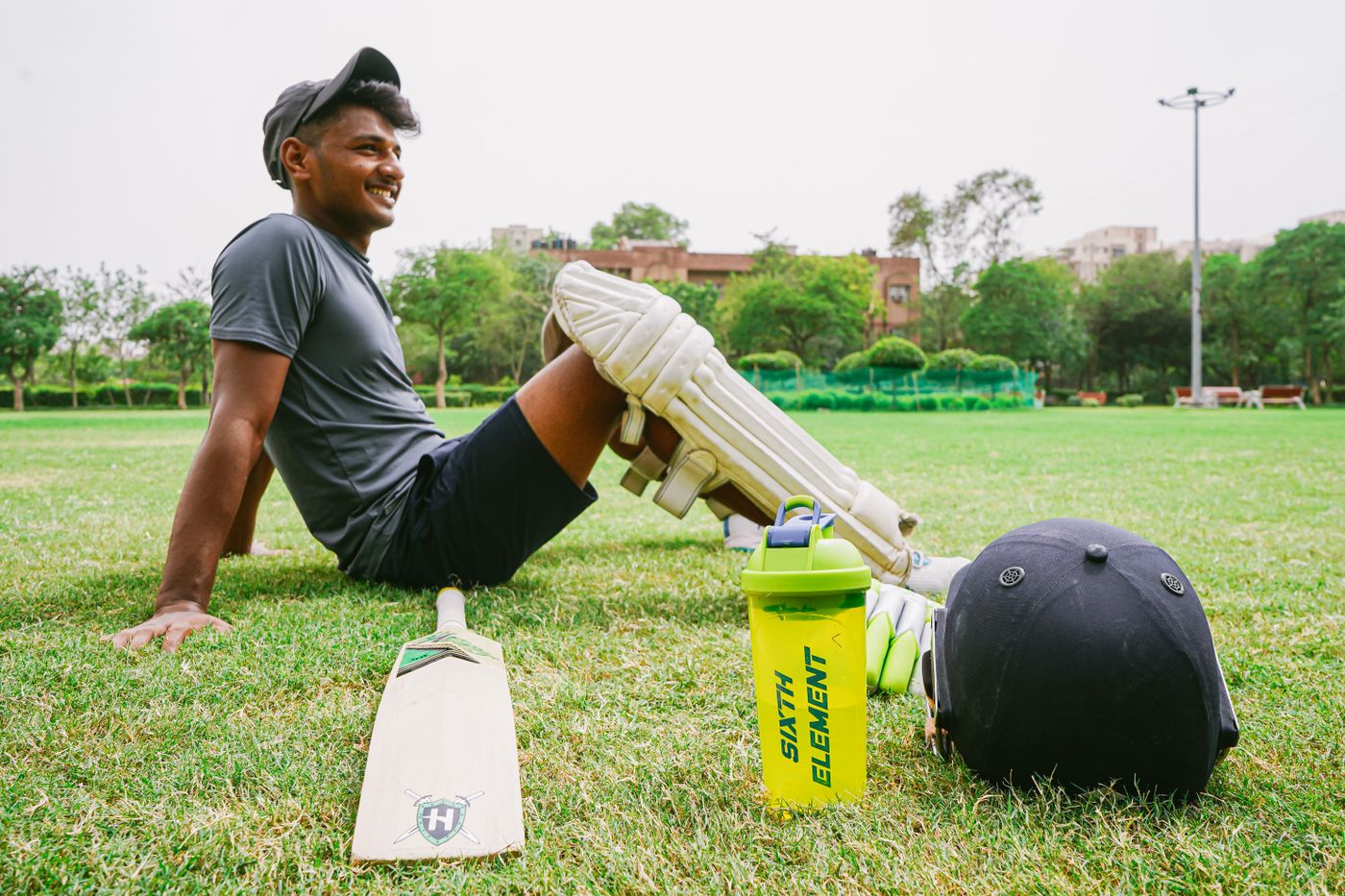
Choose cricket socks that fit smoothly, cover the full shoe-contact area and work with the exact shoes and insoles you will wear. Match thickness to the space inside the shoe: extra cushioning is useful only when it does not compress the toes or lift the heel. Test seams, heel placement and cuff pressure before a long session, carry a dry spare pair, change promptly when soaked and wash according to the label. Socks can reduce friction and manage moisture, but they cannot correct badly fitting shoes.
Cricket socks look like a minor purchase until a player spends six hours walking, sprinting and changing direction in damp shoes. A pair that slides, bunches or holds moisture can turn a small hot spot into a painful distraction. A pair that is too thick can make a correctly sized shoe feel cramped.
The right sock is not simply the thickest or most expensive one. It is the pair that works with the player’s foot, shoe, insole and playing conditions as a complete system.
What makes a cricket sock different?
Cricket involves long periods on the feet, short high-intensity sprints, lateral movement and, for bowlers, repeated force through the front foot. Specialist cricket socks commonly add some combination of:
- a higher cuff that sits above the shoe collar
- extra fabric or cushioning under the heel and forefoot
- a close-fitting heel pocket
- stretch through the arch or ankle
- flat or carefully positioned toe seams
- fibres chosen for durability, comfort or moisture movement
Those features can help, but product names are not standardised. One maker’s “performance” sock may be thin and synthetic; another may be a warm wool blend. Read the material and construction details rather than buying from the label alone.
Start with shoe fit
Socks cannot repair a shoe that is too short, too narrow or unstable. They also change how a shoe fits. An NHS footwear guide advises trying shoes with the socks and any orthoses or insoles that will actually be worn.
When testing cricket shoes:
- put on the intended match socks
- insert any prescribed orthotic or replacement insole
- lace both shoes normally
- stand, walk, jog and make a few controlled direction changes
- check toe room, heel hold and pressure across the widest part of the foot
Use our cricket shoe size guide for the wider fitting process. If you are choosing between outsoles, see spikes, rubber studs and surface choice.
How thick should cricket socks be?
Thickness affects cushioning, warmth, moisture capacity and the internal volume of the shoe.
| Sock weight | Advantages | Watch for | Often suits |
|---|---|---|---|
| Thin | Low bulk; close ground feel; dries quickly | Less cushioning; may move in a roomy shoe | Snug shoes, hot days, players who prefer minimal fabric |
| Medium | Balanced cushioning and volume | Must still fit smoothly at the toe | Most club matches and training |
| Thick | More warmth and underfoot padding | Can crowd toes, lift the heel or hold more moisture | Cold days or genuinely roomy footwear |
| Zoned cushioning | Padding only at heel/forefoot | Transitions between zones can irritate some feet | Players wanting cushioning without full-sock bulk |
Do not use a thick sock merely to fill an oversized shoe. Excess shoe volume should be addressed through correct sizing and lacing, not layers that may fold or move.
Materials: what the fibre label can tell you
Cotton-rich socks
Cotton feels soft and familiar. It can be comfortable for short sessions, but it absorbs moisture and may stay damp once saturated. A cotton-rich sock can still work well when the fit is good and the player changes into a dry pair during a long day.
Wool and wool blends
Wool blends can provide warmth and cushioning while remaining comfortable across changing temperatures. A specialist cricket sock may combine wool with acrylic, nylon and elastane for durability and stretch. Follow the care label because high heat can shrink or distort some wool-rich products.
Synthetic performance fibres
Polyester, nylon and similar fibres are often used for strength, stretch and faster drying. The exact knit matters as much as the fibre name: a dense synthetic sock can still feel hot, while a lightweight knit may move moisture effectively.
Elastane or stretch fibre
A small percentage of stretch fibre helps a sock hold its shape. Too much compression or an overly tight cuff can be uncomfortable, especially if it leaves deep marks or causes numbness.
No single fibre is best for everyone. The useful comparison is how the finished sock fits, moves moisture, dries and survives repeated washing.
A seven-point fit test
Put the sock on without the shoe first.
- Toe: No spare fabric folds over or under the toes.
- Seam: The toe seam does not sit under a nail or rub the side of a toe.
- Heel: The shaped heel aligns with the player’s heel rather than climbing the ankle.
- Arch: The sock stays close without a tight band cutting into the foot.
- Cuff: The top remains up without painful pressure.
- Length: All areas touched by the shoe collar are covered.
- Movement: The sock stays smooth during calf raises, squats and a short jog.
Then repeat the test inside the shoe. Pay particular attention to the front foot used at bowling delivery and to the heel during acceleration.
Blister prevention: reduce friction and moisture
Blisters commonly form when friction repeatedly separates layers of skin. Moisture, heat, poorly fitting footwear and wrinkles can increase the problem. NHS guidance recommends comfortable, well-fitting shoes and clean socks; it also notes that sports socks or thicker wool socks can help keep feet dry for regular exercise.
A practical cricket routine is:
- begin with dry feet and clean, fully dry socks
- smooth the sock before putting on the shoe
- lace the shoe so the heel is secure without crushing the forefoot
- stop when a hot spot appears rather than waiting for pain
- change out of saturated socks at a break
- remove grit, grass seeds or damaged insole material from the shoe
- replace worn socks that have thin areas or rough seams
If a blister is large, very painful, infected-looking or associated with a medical condition, seek appropriate health advice. Players with diabetes, poor circulation or reduced sensation should get individual clinical guidance rather than relying on a general equipment article.
One pair or two?
For a full-day match, two pairs are often more useful than one premium pair.
Keep the spare pair in a breathable dry pouch. Change at lunch, between innings or after rain if the first pair is soaked. Do not seal wet socks inside the shoe; separate them and let both footwear and socks air.
| Playing pattern | Practical rotation |
|---|---|
| One short net each week | One match pair, washed and dried after use |
| Weekly match plus training | Two or three pairs in rotation |
| Full-day match | One worn pair plus one dry spare |
| Tournament or double-header | A clean pair for each block of play, plus contingency |
Junior cricket socks
Children’s feet grow quickly, so do not assume last season’s sock and shoe combination still fits. Check both feet and use the larger foot as the reference.
For juniors:
- avoid buying several sizes too large “to grow into”
- check that the heel section sits at the heel
- make sure toe fabric does not fold inside the shoe
- inspect cuff marks after training
- recheck shoes and socks during growth spurts
- let the player report rubbing, tingling or numbness immediately
Label pairs with initials if needed, but do not write unnecessary personal details on club gear.
Socks for spikes and rubber cricket shoes
The sock choice is driven more by fit and conditions than by the outsole alone. However, metal-spike shoes can have a stiffer platform and are often used for longer outdoor spells, so underfoot comfort deserves careful testing. Rubber-studded or indoor shoes may feel more flexible and warm.
Try the exact combination on the surface it is intended for. A sock that feels perfect in a roomy training shoe may be too bulky in a structured spike.
After wet play, follow our guide to drying wet cricket gear safely. Remove the sock and insole from the shoe, loosen the laces and air everything away from direct heat.
Double socks: useful or risky?
Some athletes prefer a thin liner sock under a second sock so friction occurs between layers rather than at the skin. It can work only when the shoe has enough room and neither layer wrinkles.
Double socks are a poor solution when:
- toes become crowded
- the heel rises higher in the shoe
- the cuff or laces feel tighter
- the layers rotate independently
- heat and moisture become worse
Test the arrangement in training before using it in a match. Never introduce a new sock system on the morning of a tournament.
Washing and drying
The maker’s care label takes priority. A conservative routine for ordinary fabric socks is:
- turn them inside out so detergent reaches the sweat-contact surface
- wash promptly with similar colours
- use mild detergent and the permitted temperature
- rinse thoroughly
- reshape the heel and cuff
- air-dry completely before packing
Avoid strong direct heat. It can shrink natural fibres, weaken elastic and set odour into a sock that was not fully cleaned. Fabric softener may affect some moisture-managing finishes, so use it only if the label allows it.
Store clean socks in a dry compartment away from muddy shoes. Our match-day kit-bag packing guide shows how to separate clean, wet and protective equipment.
When to replace cricket socks
Replace a pair when:
- the heel or forefoot has worn thin
- a hole or repair creates a rubbing edge
- the sock twists because the elastic has failed
- the cuff slips into the shoe
- the toe seam has become rough
- the heel pocket no longer aligns
- persistent odour remains after correct washing and drying
- the size no longer matches a growing junior’s foot
A sock need not look pristine to work, but the contact surface should remain smooth and stable.
Common mistakes
Buying by shoe size without checking the range
Sock size bands vary. Read the manufacturer’s chart and confirm whether it uses UK, US or EU shoe sizing.
Assuming more cushioning is always better
Padding that removes toe room or heel hold can create the problem it was meant to solve.
Wearing the first pair straight into a match
Wash if the label recommends it, then test during a short practice. Check the seam and cuff after movement.
Leaving wet socks in the kit bag
This encourages odour and leaves the next session starting with damp equipment.
Ignoring the insole
A folded, broken or wet insole can cause friction even when the sock fits perfectly.
Quick buying checklist
- correct size band and heel placement
- no toe folds or rough seams
- cuff sits above the shoe collar
- thickness leaves normal toe room
- tested with the actual shoe and insole
- suitable warmth for the conditions
- care instructions fit your washing routine
- at least one dry spare for long days
Players in New Zealand can compare the current cricket sock range after checking shoe fit and preferred thickness.
Disclosure: CricketWise may earn a commission from qualifying purchases or referrals through selected links, at no extra cost to you. Our editorial judgement remains independent.
Bottom line
A good cricket sock stays smooth, dry enough and stable inside the shoe. Choose thickness only after checking available shoe volume, test seams and heel placement during movement, and rotate a clean spare on long days.
The sock is one part of the footwear system. Correctly fitting shoes, sound insoles, sensible lacing and early attention to hot spots matter just as much.
Sources
- NHS Inform: blisters and prevention
- East London NHS Foundation Trust: footwear guidance
- Gray-Nicolls: Velocity cricket socks
Photo: Yogendra Singh / Pexels.