Cricket Sightscreen Guide: Colour, Position and Match-Day Set-up
A practical guide for cricket clubs on choosing, positioning, moving and maintaining sightscreens for red-, pink- and white-ball matches.
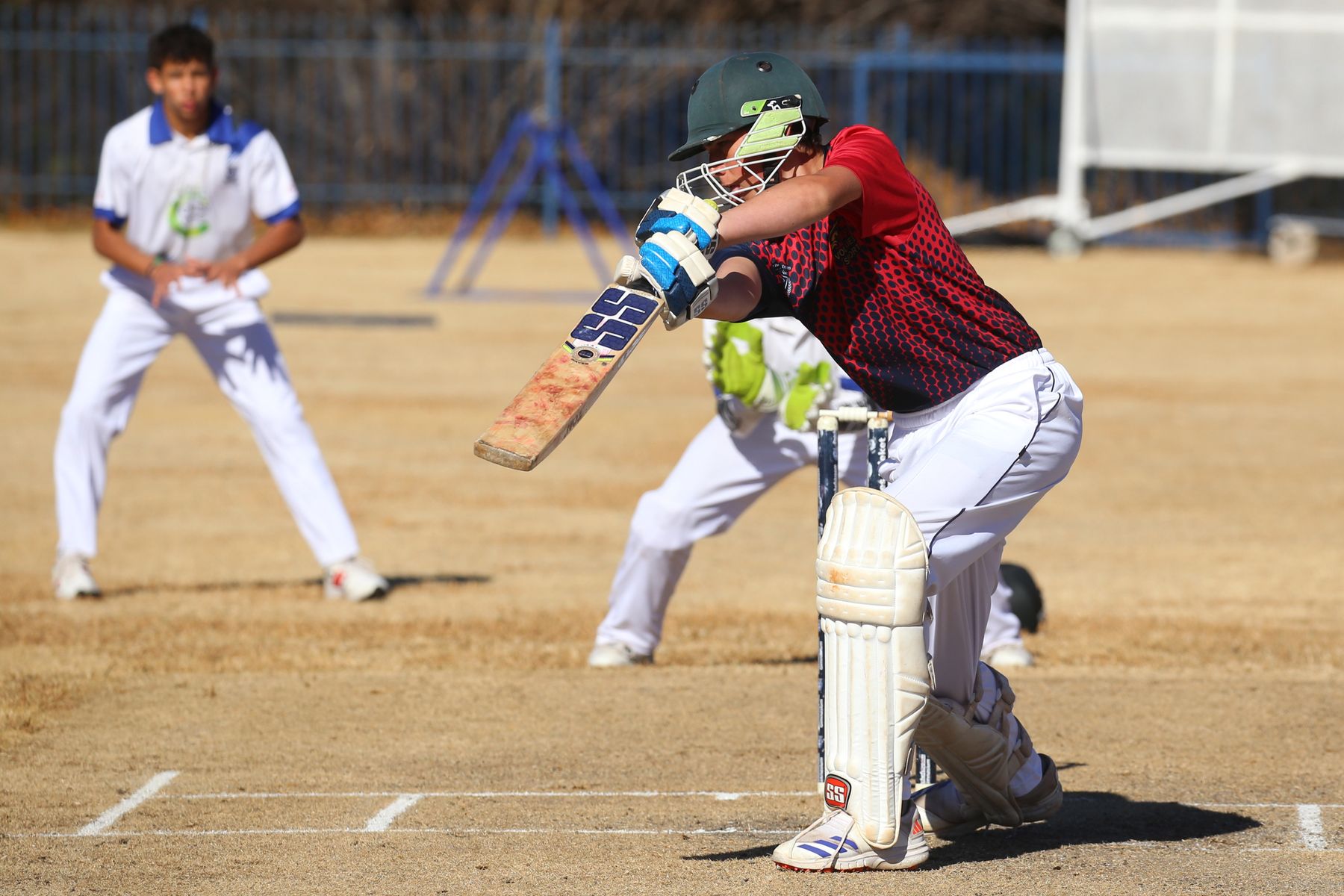
Use a background that gives the batter clear contrast with the match ball: traditionally a light screen for red or pink balls and a dark screen for white balls. Position it behind the bowler's arm from the batter's sightline, keep people and vehicles out of the visual corridor, and agree a safe moving procedure before play. Inspect frames, wheels, locks, panels and wind exposure before every match; the umpire, grounds team and captains should coordinate any adjustment.
Why a sightscreen matters
A cricket ball is small, fast and visible for only a short time after release. A sightscreen creates an uncluttered background behind the bowler so the batter can pick up the ball earlier. The job is contrast, not decoration.
Poor contrast can come from trees, buildings, parked vehicles, spectators, advertising, practice nets or changing light. Even a good screen may fail if it is too narrow, off line for the bowler’s angle or the wrong colour for the ball.
The ECB’s current recreational safety guidance says the background behind the bowler should allow the batter to see the ball and, where needed, a sightscreen of the correct colour should be used. That is a useful operating principle for every club: assess the whole sightline, not only whether a screen exists.
Match the screen to the ball
The simplest rule is to maximise contrast.
| Match ball | Usual screen background | Practical reason |
|---|---|---|
| Red | White or very light | A dark red ball is easier to track against a light field |
| Pink | White or very light, subject to competition guidance and light | Keeps the ball distinct through changing daylight |
| White | Black or very dark | A light ball is easier to track against a dark field |
Follow the competition’s playing conditions and the umpires’ direction. Do not improvise a colour change once play has started without checking that the altered surface is secure, non-reflective and large enough.
Reversible black-and-white panels are useful for clubs that host multiple formats. Fixed white screens can be adapted with securely fitted dark covers, but loose fabric, gaps and glossy surfaces can create new distractions.
How large should a sightscreen be?
There is no single club-cricket size that works at every ground. The useful width depends on:
- the range of over- and around-the-wicket release points
- right- and left-arm bowlers
- sightlines from both batting creases
- screen distance from the pitch
- slope and elevation
- nearby visual clutter
- whether the screen can move safely during an over change
A screen farther behind the bowler occupies a smaller angle in the batter’s view, so it may need to be wider. A screen close to the boundary can appear wider but may interfere with the field of play, boundary clearance or spectator movement.
Treat quoted product dimensions as a starting point. Mark likely positions, stand at each batting crease and test the full range of bowling angles before ordering.
Choose the right construction
| Type | Strengths | Trade-offs |
|---|---|---|
| Wheeled panel screen | Moves between bowling angles; familiar match-day operation | Heavy, wind-sensitive and dependent on sound wheels and locks |
| Fixed screen | Stable and low-effort once correctly placed | May not cover all angles or both ball colours |
| Reversible panel screen | One structure can serve red- and white-ball cricket | Panels and fasteners need regular checking |
| Mesh or slatted screen | Reduced wind loading compared with a solid face | Contrast may be weaker if the background shows through |
| Fabric-covered frame | Lightweight and adaptable | Tension, tears, glare and secure anchoring require attention |
Base the decision on the ground, storage and people available to move it. A screen that needs four adults is not suitable if one volunteer is routinely expected to reposition it.
Inspect the location before buying
Walk the site with a tape measure and photographs from both ends. Check:
- the boundary and any required run-off distance
- public paths, roads, car parks and emergency access
- the surface over which the screen will move
- slopes, drains, soft ground and kerbs
- overhead branches and services
- storage access and doorway dimensions
- prevailing wind exposure
- the background beyond the screen
A screen should not block emergency routes or create a trap between the boundary and a fence. It must not be positioned where an outfielder can collide with a frame or wheel assembly.
Set the visual corridor
Do this before the toss where possible.
- Put a person at the striker’s crease at normal head height.
- Place another person at the bowler’s end and simulate right- and left-arm release points, over and around the wicket.
- Move the screen until the complete release zone sits within the plain background.
- Repeat from the other end.
- Check the view from a shorter batter’s height as well as an adult height.
- Look for bright gaps between panels, reflective fixings and movement behind the screen.
- Mark the common positions discreetly so volunteers can reset quickly.
The batter’s request may change with the bowler’s angle. The umpires manage play, so agree how requests will be communicated and when the screen may be moved.
A safe moving procedure
A mobile sightscreen is a large piece of work equipment. Moving it casually can injure people or damage the ground.
Before the match, nominate a responsible adult and enough helpers for the model. Then use the same sequence each time:
- wait until the ball is dead and the umpire has permitted the adjustment
- clear children, spectators, kit and chairs from the route
- release wheel brakes or anchors only when the team is ready
- assign one caller and keep helpers where they can be seen
- push steadily from designated frame points; do not pull from panels or fabric
- stop on any rut, slope or obstruction rather than forcing the screen
- align the screen from the batter’s viewpoint
- reapply brakes, chocks, anchors or locks
- confirm that no part encroaches unsafely near the boundary
Never move a screen in strong wind merely to save time. If the equipment cannot be moved safely, stop and have the match officials decide the next step.
Wind is the main operational hazard
A wide screen can behave like a sail. Wind risk changes with gusts, saturated soil, the screen angle and whether panels are solid or porous.
Use the manufacturer’s anchoring instructions and site risk assessment. Do not add improvised weights that can fall, create trip hazards or overload the frame. If removable panels are designed to reduce wind load, train volunteers in the correct sequence and storage.
Warning signs include:
- rocking or wheel lift
- anchors pulling from soft ground
- fabric ballooning or fasteners stretching
- frame joints moving
- panels rattling loose
- volunteers struggling to control the screen
Stop using the screen if any of these appear. A missed over is preferable to an uncontrolled structure.
Match-day checklist
Before players arrive
- inspect the frame for cracks, corrosion and loose joints
- check every wheel, axle, tyre, brake and chock
- inspect panels, fabric, slats and fasteners
- test anchors or locking points
- clear the travel route
- confirm the correct colour for the match ball
- remove reflective or contrasting temporary notices
- review wind and ground conditions
Before the first ball
- confirm positions from both batting ends
- include over- and around-the-wicket angles
- identify the moving team and caller
- brief umpires or match manager on any limitation
- keep spectators and vehicles out of the corridor
- check that screen edges do not create a boundary hazard
During play
- move only with the umpire’s permission
- lock or anchor after every adjustment
- watch for changing sun, shadows and wind
- prevent people walking behind the active screen
- report damage immediately
After play
- park in the designated position
- secure against wind and unauthorised movement
- dry wet fabric where the system requires it
- record defects rather than leaving them for the next team
- store removable panels and chocks together
People and vehicles behind the bowler
A screen cannot solve a constantly moving background. Set a no-movement zone behind the bowler’s arm and explain it politely to spectators. Use cones or signs where the public route is not obvious.
Ask drivers not to arrive or depart through the sightline during an over. Close bright doors and remove temporary banners that break up the background. If a walkway cannot be controlled, the club may need a wider screen, a different position or a steward during play.
This is particularly important at shared parks where dog walkers and children may not know a match is in progress. Clear signs and a friendly volunteer work better than shouting from the field.
Day-night and changing-light matches
Late-afternoon sun can put one end in shade while the other remains bright. Recheck contrast as conditions change.
For matches under lights:
- test the match ball against the screen at the expected start and finish times
- check for glare from glossy panels
- look for light spill, shadows and dark gaps
- confirm that the screen does not block or reflect floodlighting
- have the correct panel colour ready before play
Pink-ball conditions may vary by competition. Use the designated ball and playing conditions in the actual light rather than assuming a daytime red-ball set-up will be adequate.
Practice nets need contrast too
The same visibility principle applies in training. The ECB recreational safety guidance recommends a clear background behind the bowler and a contrasting background behind the batter so the bowler or coach can see a returning ball.
In practice facilities, screens or blinkers should not introduce blind spots, unstable frames or loose fabric. Include them in the same pre-session inspection as netting and surfaces. Our cricket net safety checklist covers the wider facility check.
Maintenance schedule
Before every use
- visual frame and panel check
- brakes, wheels and anchors
- moving route and wind conditions
Monthly in season
- tighten approved fasteners
- lubricate moving parts as the manufacturer specifies
- clean faces without leaving a glossy residue
- inspect welds, timber edges and corrosion
- confirm panel colour remains even and opaque
Annually
- competent structural inspection
- replace worn wheels, brakes, ropes and fixings
- review the risk assessment and moving procedure
- retrain volunteers
- check that match formats or ball colours have not changed
Keep a simple defect log with date, issue, action and person responsible. Label an unsafe screen out of service so another team does not unknowingly use it.
Buying questions for a club committee
Ask suppliers for specific evidence rather than choosing only on price.
- What wind conditions and anchoring system is the screen designed for?
- How many adults are required to move it safely?
- Are replacement wheels, panels and covers available?
- Can the colour be reversed without dismantling the structure?
- What surface is the wheel system intended for?
- What is the assembled weight and storage footprint?
- Which inspections and servicing does the manufacturer require?
- Does delivery include assembly, training or an operating manual?
- How long are structural and moving-part warranties?
Include ground preparation, storage, freight and maintenance in the total cost. A cheaper screen that cannot be moved safely or repaired locally is rarely a saving.
Common mistakes
Buying a screen that is too narrow
It may work for one right-arm bowler over the wicket but fail for left-arm or around-the-wicket angles. Test the release envelope first.
Treating white as the universal colour
White-ball cricket needs a dark background. Plan the conversion before the fixture.
Moving without a leader
Helpers push in different directions, fingers enter pinch points and the screen can run on a slope. Nominate one caller.
Leaving brakes off
The screen may creep in wind or on uneven ground. Complete the lock-and-check step every time.
Ignoring the area beyond the screen
Gaps, moving vehicles and spectators can remain visible. Manage the full sightline.
Using damage until the season ends
Small wheel, panel or frame faults can become sudden failures. Isolate and repair promptly.
A simple club operating plan
Write a one-page instruction sheet and store it with the equipment:
- named equipment lead
- minimum number of movers
- approved hand positions
- brake and anchoring sequence
- common pitch positions
- wind stop-use rule
- defect reporting contact
- secure storage procedure
Photographs of the correct red-ball and white-ball configurations make the plan easier for unfamiliar volunteers.
Related club guides
- Cricket boundary rope set-up, measurements and safety
- Cricket pitch-cover guide for clubs
- Cricket net safety checklist
- Cricket coach equipment-bag checklist
Sources and further reading
- ECB Recreational Cricket Safety Guidelines — December 2025
- ECB Covered Outdoor Cricket Facilities Design Guide, version 1.1
- New Zealand Cricket playing conditions
Use current competition playing conditions, the equipment manufacturer’s instructions and the match officials’ decisions for the fixture in front of you.