Cricket Match Ball Buying Guide for Clubs: Two-Piece vs Four-Piece
A practical club buying guide to cricket match balls: construction, grade, colour, weight, budgeting, inspection and season planning.
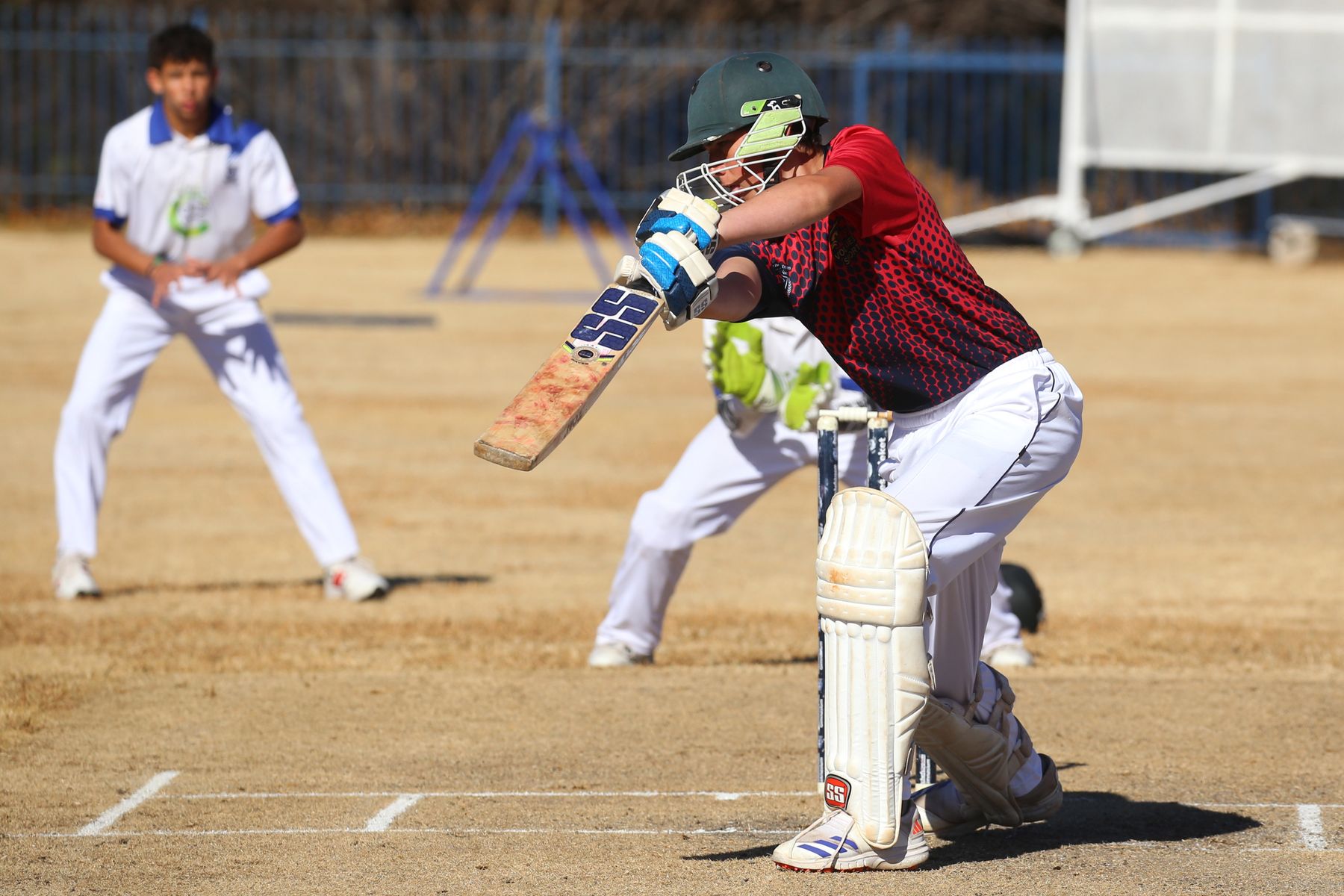
Buy to the competition rule first, then to the job. Confirm the required weight, colour and approved grade with your association. Use your best compliant balls for competition, suitable lower-cost leather balls for realistic practice, and purpose-made training balls for drills. Two-piece or four-piece construction is useful information, but it does not replace the stated match grade, build quality and local playing conditions.
The cheapest way to buy cricket balls is not always to choose the cheapest ball. A club saves money when it buys the right ball for each job, keeps match balls out of wet practice sessions, rotates training stock and catches damaged seams before somebody bowls with them.
This guide is for club captains, coaches, gear managers and school cricket coordinators choosing leather match balls. It explains what two-piece and four-piece construction means, how much weight and colour matter, and how to build a season order without guessing.
Start with the competition rules. The MCC Laws of Cricket define ball sizes and weights, but a competition’s playing conditions decide the approved ball, colour, grade and replacement process. New Zealand clubs should check their district or major association rules and NZC’s current playing conditions and policies before ordering.
The short buying decision
| Question | Best first check | Why it matters |
|---|---|---|
| Is this for a competition match? | Association playing conditions | A technically good ball can still be the wrong approved grade |
| Which age or grade? | Required weight and size | Senior, women’s and junior specifications are not interchangeable |
| Red, white or pink? | Match format and competition rule | Visibility and lacquer are designed for different playing conditions |
| Two-piece or four-piece? | Stated construction and intended grade | Construction affects the cover and seam, but quality varies by model |
| How many should we buy? | Fixtures, training groups and replacement stock | A season order needs match stock plus a controlled reserve |
| How will they be stored? | Dry, ventilated and sorted by condition | Poor storage can waste a good purchase before the ball is worn out |
What two-piece and four-piece actually mean
A two-piece leather ball has a cover formed from two shaped leather halves. A four-piece ball uses four leather quarters joined into two hemispheres before the main seam is stitched. The core, leather grade, tanning, lacquer, thread, stitching and quality control also influence how a ball behaves.
That last point matters. “Four-piece” is not a universal certificate of quality. A well-made two-piece practice ball may hold its shape better than a poorly made four-piece ball. Compare the complete specification and the manufacturer’s stated purpose, not the piece count alone.
In broad club use:
- two-piece leather balls are often chosen for school cricket, coaching and frequent practice because they can offer a practical price-to-use ratio;
- four-piece balls are common in higher match grades and advanced training where seam profile, shape retention and match-style behaviour matter more;
- the competition’s approved-ball list overrides any general rule of thumb.
Manufacturers themselves use both constructions at different price and performance levels. For example, one official equipment range describes a machine-stitched two-piece academy ball, while its higher match range uses four-piece construction. That illustrates a market pattern, not a guarantee that every ball follows it.
Match ball, practice ball or training aid?
Clubs often overspend by using premium match balls for unsuitable drills, then underspend on the ball that decides a Saturday fixture. Separate the inventory into three jobs.
1. Competition match balls
These must meet the local playing conditions. Record the exact approved model or grade, weight and colour. Keep new match balls in their packaging until they are allocated. If the rules require the same brand or comparable wear for replacements, retain suitable used match balls by condition and over-count.
2. Realistic leather practice balls
These should feel close enough to match stock for bowlers, batters and keepers to train realistically. They do not necessarily need the highest competition grade, but they should be correctly weighted, round, sound at the seam and appropriate for the players.
3. Purpose-made training balls
Use softer, synthetic, weighted or reduced-impact balls only for the drill and player group they were designed for. They are useful for skill work, indoor sessions and confidence building, but they should not quietly become the club’s match-ball reference. See our cricket training-ball guide for a drill-by-drill breakdown.
Weight and size: never assume
The 2026 MCC Law 4 defines three ball-size categories. A Size 1 ball is 156–163 g, Size 2 is 142–149 g, and Size 3 is 133–140 g, with circumference ranges also specified. The revised structure makes it especially important to check the competition rather than rely on old shorthand such as “senior” or “junior”. NZC has also highlighted tighter, distinct specifications for men’s, women’s and junior cricket in the 2026 changes.
Use our cricket-ball size and weight guide to understand the categories, then confirm the exact local requirement. A player should not be asked to train routinely with a heavier ball simply because it is what the club has in the cupboard.
Colour is a playing-condition decision
Red balls
Red is the traditional choice for daytime multi-day and many community matches. It normally pairs with light clothing and is easiest to manage when the competition is built around conventional daytime conditions.
White balls
White balls are used in limited-overs cricket, particularly with coloured clothing and sightscreens. They can show dirt and scuffing quickly, so clubs need a realistic replacement and cleaning plan. Do not polish a ball with substances that the Laws or competition rules prohibit.
Pink balls
Pink balls are designed for visibility in day-night and some low-light settings. The 2026 Laws and international playing conditions allow specific uses, but that does not make pink a general substitute for red or white at club level. Buy it only where the competition or session calls for it.
How to compare two candidate balls
Ask the supplier for a written specification, then compare the following.
| Feature | What to inspect | Red flag |
|---|---|---|
| Approval | Exact competition or grade statement | “Match quality” with no relevant rule reference |
| Weight | Marked category and tolerance | Vague “full size” description |
| Construction | Two-piece/four-piece and stitching method | Piece count used as the only quality claim |
| Seam | Even, firm stitching and consistent profile | Loose thread, gaps or visibly uneven seam |
| Shape | Roundness and balanced feel | Flat spot, bulge or obvious asymmetry |
| Cover | Even leather and finish | Cracks, lifting lacquer or poorly joined quarters |
| Intended use | Match, advanced practice or general training | No stated use at all |
| Supply continuity | Same model available for replacements | One-off stock with no repeat supply |
If possible, trial a small batch before placing a season order. Mark each ball discreetly, record the date and use, and ask captains and keepers about shape, seam and visibility after a controlled number of overs. A simple trial is more useful than a debate based only on catalogue language.
A sensible club allocation model
Work from fixtures rather than players. For each team, list:
- scheduled home matches requiring a new ball;
- away-match obligations under local rules;
- knockout or tournament matches;
- two or more approved reserve balls;
- a separate pool of leather practice balls;
- specialist training balls for juniors, indoor work or technique drills.
Then add a small contingency for lost balls, weather damage and extra fixtures. Do not mix the match reserve with the general practice bag. Use a sign-out sheet or numbered containers so the next captain can find the ball that was budgeted for them.
Example planning table
| Team | Home fixtures | New match balls | Approved reserves | Practice pool |
|---|---|---|---|---|
| Senior XI | 7 | 7 | 3 | 12–18 |
| Development XI | 7 | 7 | 2 | 10–14 |
| Junior hard-ball side | 8 | 8 | 2 | 8–12 correct-weight balls |
These are planning examples, not universal quantities. Tournament rules, shared grounds and the condition of returned balls can change the order.
Inspection before a ball enters the kit bag
Check every ball when the order arrives:
- confirm the model, colour and weight against the invoice;
- roll it on a flat surface to look for wobble;
- inspect the entire main seam and quarter seams;
- check the leather and lacquer for cuts, lifting or deep marks;
- weigh a sample with a suitable scale if the specification is critical;
- photograph and quarantine any defective ball before use.
Repeat a quicker inspection before each session. Retire a ball from hard-ball use if it is misshapen, split, has a dangerously raised or broken seam, or no longer behaves predictably. Do not “repair” a match ball with glue or tape and send it back into a live net.
Make good balls last without changing them illegally
Keep leather balls dry and out of hot cars. After use, wipe off loose surface moisture and soil, let the ball dry naturally in moving air, and store it away from direct heat. Separate wet, damaged and ready-to-use balls. Do not seal damp balls in a plastic bag.
Our cricket-ball storage and rotation guide has a practical club system for labelling by overs and condition.
During a match, care of the ball is governed by the Laws. Players may polish it only in permitted ways and must not use artificial substances or alter the surface. If a ball is lost or becomes unfit, the umpires control the replacement. The closest old ball in the kit is not automatically the lawful replacement.
Buying for New Zealand club conditions
New Zealand grounds can move quickly from damp mornings to abrasive, dry afternoons. That makes stock discipline more valuable than a single “best ball” claim. Keep one approved match range, a realistic practice range and suitable wet-weather alternatives for training. Review the trial notes after the first month rather than waiting until the end of the season.
For clubs that need to compare currently available construction and grades, this New Zealand cricket-ball collection is a useful reference point. Check the competition approval separately before purchasing. This is a sponsored affiliate link; CricketWise remains editorially independent.
Club order checklist
- Current association playing conditions checked
- Approved model or grade recorded
- Correct weight category confirmed for every team
- Colour matched to the format
- Construction and stitching method compared
- Trial batch reviewed where practical
- New match stock separated from practice stock
- Replacement balls sorted by wear
- Storage boxes dry, ventilated and labelled
- Defect and retirement process assigned to one person
Bottom line
For a competition match, compliance comes first. For practice, buy the most realistic, durable ball the drill needs—no more and no less. Four-piece construction is common in better match grades, while two-piece balls can be excellent for regular club and school use, but the model’s complete specification matters more than the label on its own.
A club that records use, separates stock and inspects seams will usually get more value than one that simply buys a large mixed bag once a year.