Cricket Ball Sizes and Weights: Junior, Women’s and Men’s Guide
A clear guide to cricket ball sizes, weights and circumferences, including the 2026 Law change and practical advice for training and matches.
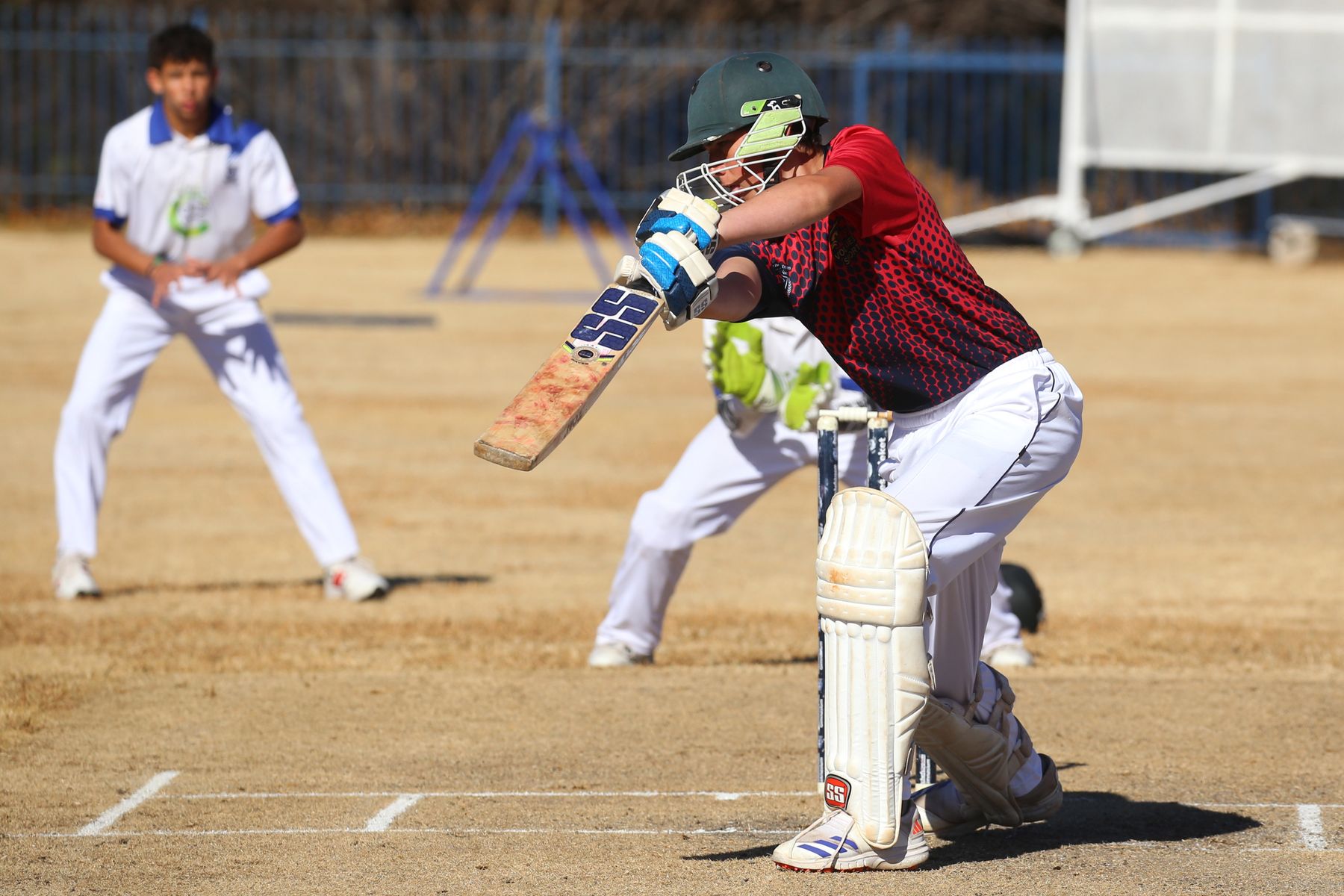
Use the ball size specified by your competition. Under the MCC Laws effective from 1 October 2026, Size 1 is the largest ball, Size 2 is the middle size and Size 3 is the smallest. For club and junior cricket, always confirm the grade’s playing conditions before buying match balls.
The three official cricket-ball sizes
Cricket balls can look almost identical on a shop shelf, but a few grams and millimetres make a noticeable difference in the hand. The correct choice depends on the playing conditions for the match, not simply the player’s age or preference.
The 2026 edition of the MCC Laws introduced three numbered specifications. The governing body responsible for a match determines which size applies. If it has not done so, the umpires determine the size.
| Official size | New-ball weight | Circumference | Practical description |
|---|---|---|---|
| Size 1 | 156–163 g | 22.4–22.9 cm | Largest and heaviest |
| Size 2 | 142–149 g | 21.5–22.0 cm | Middle size |
| Size 3 | 133–140 g | 20.5–21.0 cm | Smallest official hard-ball size |
These are legal ranges, not one exact target. Two compliant balls can therefore differ slightly while both meeting the same specification.
What changed in October 2026?
Before 1 October 2026, the Laws described separate specifications for men’s, women’s and junior cricket. The new edition expresses the equipment as Size 1, Size 2 and Size 3, with tighter and non-overlapping limits.
The ICC said the change creates three distinct specifications after manufacturers had often produced one shared ball for women’s and junior cricket. ICC international series starting on or after 1 October 2026 use the updated playing conditions; a series already under way on that date continues under its previous conditions.
For players and clubs, the practical lesson is simple: do not assume that an older box labelled only “women’s/junior” matches the new specification required by a particular competition. Check the size, weight range and competition rules.
Which size should I buy?
For an organised match
Start with the competition handbook or grade playing conditions. They outrank a generic age chart.
In New Zealand, national resources sit alongside playing conditions issued by major associations and local competitions. Junior formats can be modified for player development, so the same age group may not use identical equipment everywhere.
Before ordering a season’s supply, confirm:
- the exact size number or weight range
- red, white or pink colour requirements
- whether a particular ball standard or approval applies
- whether a new ball is required for every innings
- whether the home team, league or umpires supply the ball
For junior practice
Use the ball specified for the player’s grade when preparing for matches. That gives the bowler realistic grip and seam feel, and the batter realistic pace, bounce and impact.
For skill development, a coach may deliberately use softer or lighter training balls. That can be sensible for confidence, catching technique or constrained indoor work, but it should be a planned coaching choice—not an accidental substitute for the match ball.
For adult training
Match preparation is usually most useful with the ball size and colour used in competition. Save new leather balls for quality centre-wicket sessions or match use; older balls are useful for routine nets, throwdowns and fielding drills.
Why size and weight matter
Grip and release
A smaller ball can be easier for smaller hands to control. Fingers can sit farther around the seam, affecting release and spin. Moving to a larger or heavier ball can change wrist position and how easily a bowler maintains control.
Pace and workload
Weight affects the effort needed to accelerate the ball. Coaches should progress bowling workloads sensibly, especially when a young player changes grade or ball specification.
Batting feel
The impact of a hard leather ball is very different from a tennis or lightweight training ball. Batters should build from controlled feeds to harder, match-like bowling while using suitable protective equipment.
Catching confidence
A hard ball that is too demanding can encourage poor catching habits: turning the head away, stiff hands or avoiding the ball. Begin with a suitable training ball and distance, then progress to the match ball under supervision.
Match ball, practice ball or safety ball?
| Ball type | Best use | Important limitation |
|---|---|---|
| New leather match ball | Matches and high-quality match simulation | Expensive and hard; not the first step for beginners |
| Used leather ball | Nets, bowling spells and fielding practice | Inspect for split seams or unsafe damage |
| Reduced-impact training ball | Introductory skills, some junior drills and confidence work | Does not reproduce full match pace or bounce |
| Tennis ball | Basic hand-eye drills and informal play | Grip, seam, weight and bounce differ greatly |
| Indoor ball | Indoor competition or venue-specific sessions | Use only the ball required by that venue or league |
Do not judge a training ball only by colour. Read its construction, intended use and weight, and follow the coach or competition rules.
Red, white and pink: size is not the same as colour
Colour normally relates to format and visibility rather than size.
- Red balls are widely used in longer-form cricket and many club competitions.
- White balls are common in limited-overs cricket, particularly with coloured clothing.
- Pink balls are designed for visibility in day-night conditions. The ICC’s 2026 Test playing conditions also allow a trial in which a pink ball can be agreed before a daytime Test; once chosen, it applies for the whole match.
A white or pink ball still needs to meet the size specification required for that match.
A club buyer’s pre-order checklist
- Open the current competition playing conditions.
- Identify the exact grade and season.
- Confirm Size 1, 2 or 3—or the stated gram and circumference range.
- Confirm colour and any approved-ball requirement.
- Check who supplies new and replacement balls.
- Order a small sample before committing to bulk quantities.
- Store stock dry, indoors and away from heat.
- Mark practice balls separately from match stock.
How to check an existing ball
The printed box or product specification is more useful than a kitchen scale alone. A used ball loses surface material and changes shape, so measuring it after months of practice does not prove what specification it met when new.
For unopened stock, record the product, stated size and supplier. If a ball is intended for sanctioned competition and the label is unclear, ask the competition administrator before using it.
Retire a ball from hard practice when it has an opening seam, loose or lifting leather, a badly distorted shape or damage that makes its behaviour unpredictable. A coach or umpire should make the final safety call.
The practical answer for NZ players and parents
Buy for the competition, then train progressively for the player.
Age charts are useful shopping shortcuts, but local playing conditions are decisive. This is especially important around grade transitions and after rule updates. If the club has not yet issued the new season’s equipment list, wait for confirmation rather than buying a full box based on last year’s label.
For a complete junior setup, use the Junior cricket gear checklist. For protection decisions, see the Cricket protective equipment guide and the Cricket helmet size and safety guide.