Cricket Training Ball Guide: Soft, Wind, Tennis or Hard Ball?
How to choose a cricket training ball for batting, bowling, catching and junior progression, from soft and tennis balls to match-specification leather balls.
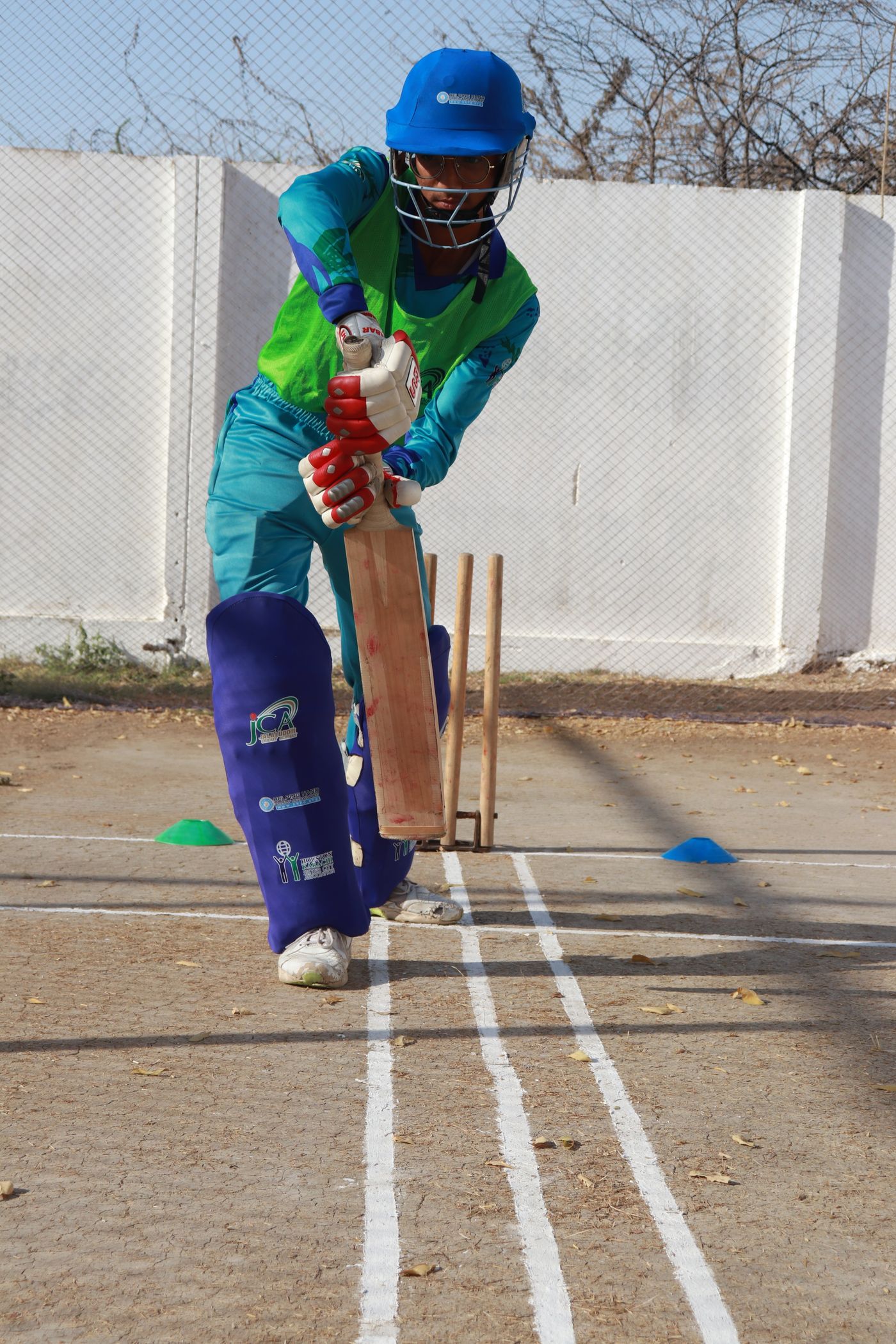
Choose a training ball by the skill, player readiness, space and protective setup—not by colour alone. Soft or tennis-style balls suit early confidence and constrained drills; firmer purpose-made training balls bridge the gap; a regulation leather ball is needed for realistic match preparation. Progress one variable at a time and stop if control, visibility or confidence deteriorates.
Start with the purpose of the drill
“Training ball” covers many different products. A lightweight foam ball, a tennis ball, a moulded wind ball and a leather match ball do not create the same pace, bounce, swing, seam or impact.
Before choosing one, name the skill:
- first contact with bat and ball
- catching technique
- throwing accuracy
- batting against a controlled feed
- bowling grip and release
- seam or swing practice
- match preparation
- indoor or backyard activity
The safest ball is not automatically the softest available, and the most realistic ball is not automatically the best teaching tool. Choose the lowest-risk ball that still gives useful feedback for the skill.
The main training-ball categories
Terms vary between manufacturers, so inspect the actual material, mass, hardness and intended use.
| Ball type | Useful for | What it changes | Main caution |
|---|---|---|---|
| Foam ball | First catching, close-range feeds, very young beginners | Very low mass and limited realistic bounce | Wind and wear make flight unpredictable |
| Tennis ball | Hand-eye work, recreational play, controlled batting feeds | Lighter, softer and bouncier than a leather ball | Can skid or climb unexpectedly on some surfaces |
| Low-compression tennis-style ball | Progressive batting and catching | Usually slower or softer than a standard tennis ball | Colour codes are not universal across brands |
| Moulded soft training ball | Skill drills needing a cricket-like shape | Can offer a visible seam and more predictable grip | “Soft” does not mean harmless at short distance |
| Wind ball or rubber training ball | Bridging drills, indoor work and controlled hard-ball preparation | Firmer impact and more match-like hand feel | Hardness and rebound differ widely by model |
| Weighted technique ball | Specific supervised bowling or strength drills | Changes load and release feel | Not a general-purpose ball; workload needs control |
| Bowling-machine ball | Repeated machine feeds | Durable, consistent response in a compatible machine | Use only balls approved for that machine |
| Used leather ball | Routine nets, fielding and bowling practice | Real seam, mass and impact with less cost than a new ball | Inspect for damage and uneven wear |
| New leather match ball | Match simulation and premium centre-wicket practice | Closest match behaviour | Hardest impact and most expensive option |
Do not rely on a generic name. One company’s “wind ball” can be materially firmer than another’s.
Match ball versus practice ball
A match ball is chosen by the competition’s playing conditions. Under the MCC Laws effective from 1 October 2026, the official new-ball specifications are:
| Official size | Weight | Circumference |
|---|---|---|
| Size 1 | 156–163 g | 22.4–22.9 cm |
| Size 2 | 142–149 g | 21.5–22.0 cm |
| Size 3 | 133–140 g | 20.5–21.0 cm |
The governing body decides which size applies. Local junior formats can modify equipment, so check the competition handbook before buying balls for a team.
Our cricket ball sizes and weights guide explains the 2026 change and the practical differences in more detail.
A practice ball can deliberately differ from the match ball when the drill has a different goal. A beginner might learn to watch the ball with a soft, high-visibility option before moving to leather. A bowler preparing for a match needs time with the correct official size and a realistic seam.
A sensible progression to hard ball
New Zealand Cricket’s transition-to-hard-ball coaching material describes the move as exciting but potentially intimidating. Confidence and skill should develop together.
A practical progression is:
- Stationary soft-ball work: gentle catches, underarm feeds and clear visual tracking.
- Moving soft-ball work: catches on the move, short throws and simple batting decisions.
- Controlled firmer ball: greater pace or a more cricket-like seam at a safe distance.
- Hard-ball familiarisation: close inspection, grip work and stationary handling before live pace.
- Controlled leather-ball feeds: full protective equipment, agreed line and reduced speed.
- Short-approach bowling: one bowler, predictable length and active supervision.
- Normal net or centre-wicket practice: only when skill, confidence, control and equipment are ready.
Progress one variable at a time. Do not make the ball harder, shorten the distance and increase the pace in the same drill.
Move back a step if the player turns away, freezes, closes their eyes, loses technique or no longer wants to receive the ball.
Choosing a ball for batting practice
Beginners and first sessions
Use a visible, forgiving ball at controlled speed. The batter needs enough time to watch the release, move into line and make a balanced swing.
Start with underarm feeds. A soft ball delivered accurately teaches more than a harder ball sprayed unpredictably.
Throwdowns
Match the ball to the feeder’s distance and speed. A firm training ball thrown quickly from close range can create a greater practical risk than a leather ball bowled slowly from farther away.
Use a screen where appropriate and keep the feeder out of the likely return path.
Sidearm feeds
Sidearm tools can generate significant speed. The feeder needs competence, the batter needs suitable protection and the ball must be appropriate for the device and drill.
Begin with lower pace and a known line. Do not assume that a softer ball makes an uncontrolled sidearm safe.
Bowling machine
Use only the ball types approved by the machine manufacturer. Different compression, seam height and wear can change speed, line and length at the same setting.
After changing balls:
- point the machine into a safe empty lane
- test several deliveries
- confirm height and pace
- bring the batter in only when the feed is predictable
The cricket net safety checklist covers machine setup, lane entry and one-ball-live control.
Choosing a ball for bowling practice
Grip and release
A ball close to the match size helps the bowler learn finger position. A much smaller or lighter ball can make a grip feel easier but may not transfer directly to competition.
Use stationary seam-position work before adding a run-up.
Line and length
For accuracy games, a durable practice ball can preserve the match balls and keep the drill moving. Mark a target area and reward repeatable control rather than maximum pace.
Swing and seam
Realistic swing and seam practice requires a ball with the relevant construction, seam and condition. A moulded training ball may teach wrist and seam orientation, but it cannot reproduce every behaviour of a stitched leather ball.
Workload
A lighter or softer ball is not permission to ignore bowling volume. Count the relevant deliveries under the workload guidance that applies to the player’s age and competition.
Stop for pain, unusual fatigue or loss of control. Do not use weighted balls casually; they belong in a planned, supervised programme.
Choosing a ball for catching
Catching progression should develop watching, movement, hand shape and confidence.
| Stage | Example task | Ball choice |
|---|---|---|
| 1 | Two-hand stationary catches from short distance | Foam or very soft ball |
| 2 | Catches to left and right with foot movement | Soft or low-compression ball |
| 3 | Higher catches with time to judge flight | Tennis-style or suitable training ball |
| 4 | Faster flat catches at controlled distance | Firmer training ball |
| 5 | Match-like slips, ring or boundary work | Correct leather ball with suitable supervision |
Distance matters as much as ball hardness. If you make the ball firmer, increase the distance or reduce the feed speed while the player adapts.
For high catches, check the sun, lights, background and nearby groups before starting.
Surface changes everything
The same ball behaves differently on grass, artificial turf, concrete, timber, carpet and indoor matting.
Grass
Longer grass slows a ball; dry hard ground can produce sharp bounce. Inspect for stones, holes and wet patches.
Artificial turf
Worn or raised areas can create inconsistent bounce. A lively tennis ball may climb more than expected.
Concrete or asphalt
Bounce and speed can be high. Do not assume a soft ball is safe merely because there is no leather. Keep people and breakable property out of the hitting direction.
Indoor floors
Rubber and tennis-style balls can skid, grip or rebound from walls. Use the facility’s approved ball and net setup.
Backyard spaces
Short boundaries, windows, vehicles, pets and people change the risk. Reduce the hitting arc and use a ball that suits the available containment.
Test the ball with controlled bounces and gentle feeds before beginning the full drill.
Visibility and colour
The ball must stand out against the background and lighting. Red, white, pink, yellow or orange can each disappear in particular conditions.
Check from the batter’s position:
- the bowler’s background
- trees, fences or seating behind the release
- indoor wall and net colours
- low sun
- floodlights
- shadows across the pitch
A high-visibility ball is useful only if everyone can track it through the full flight.
Replace balls whose surface colour has worn away enough to reduce visibility.
Soft does not mean risk-free
A lighter ball can still cause eye, face, finger or dental injury, especially at short range. Firmer moulded balls can rebound quickly from bats, walls and hard floors.
Control:
- feed speed
- distance
- number of balls live
- direction of hitting
- waiting zones
- protective equipment
- supervision
- surface and lighting
For any hard-ball drill, use the protective equipment required by the role, age, speed and applicable rules. The complete protective-equipment guide is a useful starting point.
Equipment checks before the session
Inspect each ball for:
- splits or exposed core
- loose or raised seam
- deep cuts
- permanent distortion
- waterlogging
- sticky or degraded rubber
- severe uneven wear
- loss of visible colour
- contamination with grit or glass
- compatibility with the planned machine
A damaged ball can move unpredictably or damage equipment. Remove it from the active basket and label it so it is not mixed back in.
Do not use a taped repair as a match-like ball unless the drill specifically needs that altered behaviour and the coach has assessed the risk.
Managing several ball types
Mixed baskets create preventable surprises. A batter expecting a soft ball should not suddenly receive a leather ball.
Use separate, clearly labelled containers. Brief the group before changing type and stop the lane during the change.
A useful label includes:
- ball type
- intended drill
- machine compatibility
- ownership or team
- “damaged—do not use” where relevant
Count balls before and after indoor or net sessions. Loose balls on the surface are a trip hazard.
How many practice balls does a team need?
The answer depends on the drill, but more balls are not always better. Large piles encourage multiple deliveries to become live and make damaged balls harder to notice.
For bowling practice, enough balls to keep the spell flowing without overloading the lane is usually more useful than one huge basket. For catching, a small controlled set keeps the feeder accountable for every ball.
Separate premium match balls from routine practice balls. Rotate used leather balls by condition so coaches can choose an appropriate level of realism.
Caring for training balls
Leather balls
Dry naturally after damp use. Do not place on a heater. Store in a ventilated, dry area and keep the two sides in suitable condition for the intended practice.
Tennis and moulded balls
Remove dirt, dry fully and inspect for splits or loss of compression. Do not leave rubber balls in high heat for long periods.
Foam balls
Let them dry completely. A waterlogged foam ball changes mass and flight and can encourage mould.
Machine balls
Follow the machine and ball manufacturer’s cleaning and replacement instructions. A worn machine ball may feed differently from the rest of the set.
Common mistakes
Choosing only by age
Skill, confidence, hand size, drill distance and competition rules all matter.
Calling every moulded ball a wind ball
The name does not tell you exact hardness or rebound. Inspect the product specification.
Moving straight from tennis ball to full-speed leather
Add an intermediate controlled stage and use suitable protection.
Using match balls for every drill
This adds cost without always improving learning. Save new balls for sessions that need true match behaviour.
Treating an old leather ball as harmless
It still has substantial mass and can be hard. Severe wear can also make bounce unpredictable.
Mixing balls in a bowling machine
Different models can feed at different speed and trajectory. Use the approved consistent set.
Increasing pace because the ball is soft
Impact, rebound and fear can still undermine technique. Control the whole drill.
Ignoring player feedback
A player losing sight of the ball or becoming afraid is a signal to adjust the drill, not a reason to add more pace.
Coach’s selection checklist
Before the drill:
- Skill objective named
- Player readiness and confidence considered
- Competition ball size confirmed if match preparation
- Surface and lighting checked
- Ball inspected and visible
- Feed speed and distance agreed
- Protective equipment matched to the drill
- Waiting and hitting zones controlled
- Only one ball live where required
- Progression and stop point agreed
- Machine compatibility confirmed
- Damaged balls separated
Simple decision guide
Choose a foam or very soft ball when the priority is first contact, close-range confidence or a constrained beginner drill.
Choose a tennis or low-compression ball when the player needs more realistic flight and bounce without full hard-ball impact.
Choose a moulded or wind-style training ball when you need a firmer bridge, visible seam or durable repeated feeds.
Choose a used leather ball for routine match-like nets, bowling, fielding and catching once the players and controls are ready.
Choose a new match-specification ball when the exact seam, swing, colour and feel matter enough to justify it.
If two options teach the same skill, use the one that gives the coach better control and the player better confidence.
Sources and further reading
- New Zealand Cricket: Transition to Hard Ball coaching manual
- MCC Laws of Cricket: Law 4, The Ball
- ECB Recreational Cricket Safety Guidelines, December 2025
Use the playing conditions that govern the match and the instructions supplied with the exact ball or training device. For injury concerns, stop the session and follow the organisation’s first-aid process.