Cricket Kit Bag Buying Guide: Duffle, Wheelie or Coffin?
Choose the right cricket kit bag by comparing duffle, wheelie, wheelie-duffle and coffin formats, capacity, bat storage, wet-gear separation and travel needs.
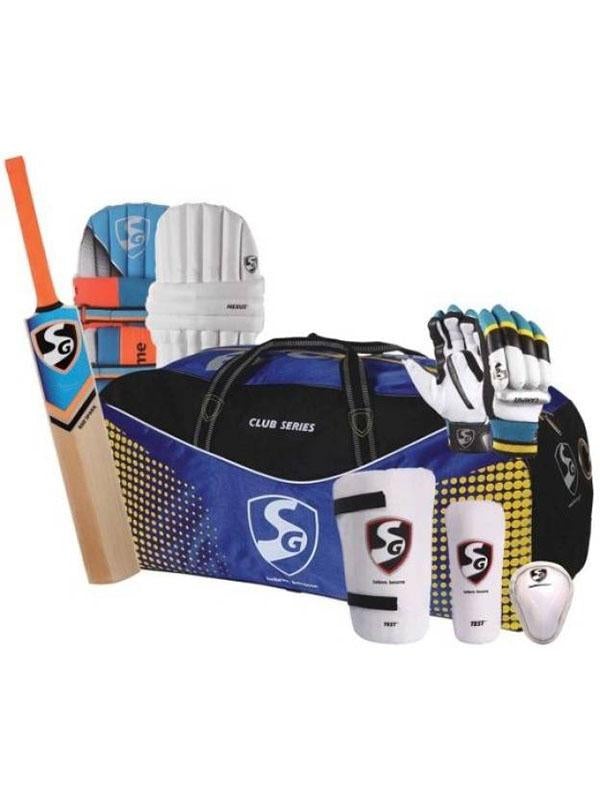
Choose a cricket kit bag from the equipment and journeys it must handle, not from the biggest litre number. A compact duffle suits juniors and lighter kits; a backpack-style duffle is easier on stairs and rough paths; a wheelie is better for heavy batting or wicketkeeping loads on firm ground; and a coffin-style wheelie gives wide access but needs more storage and vehicle space. Check that the bat, helmet and shoes have protected zones, the loaded bag is controllable, the zips open without strain, and the dimensions work for your car, locker and any airline you use.
Start with the job the bag must do
A cricket bag is transport equipment and storage equipment at the same time.
The right one should:
- hold the player’s actual kit without forcing the zip
- protect bats, helmet and glove surfaces from hard or dirty items
- keep shoes and wet clothing away from dry protective gear
- move safely between home, vehicle, pavilion and boundary
- fit the storage spaces used during the week
- remain easy to unpack and dry after play
That is why the largest bag is not automatically the best bag. Extra capacity often becomes extra weight, clutter and a poor fit in a small car or shared changing room.
Before comparing models, lay out the complete kit on the floor. Include the items that normally disappear into side pockets: abdominal guard, inner gloves, towel, sunscreen, water bottle, spare socks, medication and wet-weather layer.
Our match-day kit-bag packing guide covers the packing routine. This guide is about choosing the container.
The four common bag formats
Most cricket bags fit into four practical groups.
| Format | Best suited to | Main advantage | Main compromise |
|---|---|---|---|
| Duffle | Juniors, lighter adult kits, players using stairs or rough paths | Carries upright and uses less floor space | Full loads can feel heavy on the shoulders |
| Wheelie | Batters and keepers with heavier kits | Easier to move on firm, level ground | Wheels and frame add weight; awkward on steps |
| Wheelie-duffle | Players who need both carrying and rolling options | Flexible across car parks, stairs and pavilions | More hardware and straps to manage |
| Coffin-style wheelie | Large senior or wicketkeeping kits | Wide opening and clear access to the whole load | Takes more floor, boot and storage space |
Names are not perfectly consistent between manufacturers. One brand’s wheelie-duffle may look like another brand’s upright wheelie. Judge the structure, access and carrying method rather than relying on the product name.
Duffle bags
A cricket duffle is usually tall and opens from the top, with padded shoulder straps and one or more bat sleeves.
It is a strong choice when the player:
- walks across grass, gravel or uneven paths
- uses stairs or public transport
- has limited changing-room floor space
- carries one bat and a straightforward playing kit
- can lift the packed bag comfortably
The vertical shape creates a smaller footprint, but equipment can settle to the bottom. Look for a main opening wide enough to reach pads and helmet without removing every item above them.
Check the shoulder straps while the bag is loaded. Thin straps that feel acceptable on an empty shop sample may become uncomfortable after shoes, water and protective gear are added.
For a junior, make sure the bag does not hang so low that it strikes the backs of the legs or pulls the player off balance.
Wheelie bags
A wheelie bag carries most of its load through wheels and a pull handle or grab strap.
It suits:
- a full senior batting kit
- wicketkeepers carrying two sets of pads and gloves
- players moving mainly across sealed paths and smooth pavilions
- anyone who can lift the bag into a vehicle but prefers not to carry it far
Inspect the wheel housing, not just the wheel diameter. The housing takes impacts from kerbs, steps and car boots. A wheel partly hidden inside a reinforced corner is usually less exposed than a small wheel fixed to a light fabric edge.
Pull the loaded bag through a turn. If it twists, tips or clips the player’s heel, the handle position or weight distribution may not suit the user.
Wheels do not remove the need to lift. The player will still lift the bag into a vehicle, over steps and onto a storage rack.
Wheelie-duffle combinations
A combination bag adds shoulder straps to a wheeled structure.
This can be useful for a player who moves through mixed terrain: rolling through a car park, carrying up stairs, then standing the bag in a narrow team area.
Test both modes.
When rolling:
- straps should tuck away from the wheels
- the bag should track straight
- the pull point should not strain the main zip
When carrying:
- the wheel housing should not press painfully into the lower back
- the weight should sit close to the body
- loose handles should not swing against the legs
A combination design is only useful if both systems work when the bag is full.
Coffin-style wheelie bags
Coffin-style bags are long, low and wide. A large lid exposes much of the main compartment at once.
They suit players who value visibility and carry several bulky items. A wicketkeeper can often place keeping pads, batting pads and gloves in separate sections without building a vertical stack.
The trade-offs are practical:
- the bag occupies more changing-room floor
- it may not stand securely upright
- it can be difficult to fit across a small vehicle boot
- the long body needs a clear route through doors and corridors
- the player may be tempted to overfill it
Measure the home storage space and vehicle opening before buying. A bag that fits inside a boot may still be difficult to pass through the opening.
Capacity: litres are useful, but not enough
Volume helps compare models, but two bags with the same stated capacity can behave differently.
Usable space depends on:
- the shape of the main compartment
- wheel and frame intrusion
- padding thickness
- whether bat pockets sit inside or outside the volume
- the size of the shoe and helmet sections
- how far the zip opens
- internal dividers
Official product specifications illustrate the spread. Compact starter duffles can be around the mid-50-litre range, while high-capacity wheelies can exceed 130 litres. Those figures describe very different users and loads, not better and worse products.
Use a physical packing test whenever possible. If buying online, compare external dimensions, photographs of the open bag and the manufacturer’s stated bat, shoe and helmet storage.
Estimate capacity from the player’s role
Junior batter
Usually needs:
- one junior bat
- batting pads and gloves
- helmet
- abdominal guard
- shoes
- clothing, water and small items
A compact duffle or junior wheelie is normally easier to control than a senior team-sized bag.
Adult batter
May need:
- one or two bats
- full batting protection
- helmet
- cricket shoes
- clothing and wet-weather layer
- towel, water and accessories
A larger duffle, wheelie-duffle or medium wheelie can work. The travel route should decide between carrying and rolling.
Wicketkeeper-batter
Adds:
- wicketkeeping gloves
- inner gloves and a spare pair
- wicketkeeping pads
- role-specific towel or drying cloth
This is the load most likely to justify a large wheelie or coffin-style bag. Even then, organisation is more important than unused volume.
Coach or team manager
Shared balls, markers and first-aid or administrative equipment should not be mixed casually with a player’s personal protective kit. A separate coach or team bag is usually clearer than one enormous player bag.
See the coach equipment-bag checklist for team-session planning.
Bat storage is a design test
A bat pocket should support the bat without crushing the handle, rubbing the face against metal parts or leaving the toe in pooled water.
Check:
- full-length or partial-length protection
- number of genuine bat sleeves
- whether a bat fits with a protective sleeve fitted
- zip and buckle clearance around the shoulder and handle
- separation from studs, wheels and hard balls
- drainage or water exposure at the base
An external sleeve makes the bat easy to reach, but the bat may receive more knocks in transport. An internal channel gives more enclosure, but a shoe or bottle can still press against it if the divider is weak.
Do not count a narrow accessory pocket as a second bat sleeve simply because a product photograph places a handle there.
Helmet protection needs space, not pressure
A helmet should not be the structural filler that makes the bag close.
Look for a compartment or protected area that:
- keeps hard studs and balls away from the shell and grille
- does not force the grille inward
- leaves the adjustment system unloaded
- allows the helmet to be removed without dragging it past dirty shoes
- can be aired after use
Put the helmet into the candidate bag before judging capacity. A bag can appear spacious until the helmet takes its safe position.
If the helmet has taken a significant impact or shows damage, use the cricket helmet replacement guide rather than treating a padded pocket as a solution.
Separate shoes and wet gear
Cricket shoes introduce mud, moisture and hard studs. A dedicated shoe tunnel or washable inner bag protects the rest of the kit.
Check whether the shoe compartment:
- fits the player’s actual shoe size
- has ventilation
- can be wiped clean
- intrudes heavily into the main compartment
- opens without placing the bag on its clean side
Wet clothing needs a separate, removable bag even when the cricket bag advertises a wet pocket. A water-resistant pocket can contain moisture during the trip home; it is not long-term storage.
Everything damp should be removed and dried after the match. Read how to dry wet cricket gear for a safe unpacking routine.
Zips, seams and access
The main zip is often the first part to be overloaded.
With the intended kit packed:
- close the zip without pressing down on the lid
- open it around every corner
- check whether fabric catches in the slider
- lift and roll the bag
- open it again
If the zip is under visible tension in a normal pack, choose a different size or remove unnecessary kit.
Inspect stitching where handles, straps and wheel housings join the bag. Those points carry dynamic loads when the bag is lifted over a step.
Wide openings improve access. However, a single enormous lid can spill equipment if opened on a narrow bench. Match the opening style to the spaces the player uses.
Handles should match real lifting points
A useful bag has a safe way to:
- lift from the floor
- pull from a vehicle
- carry over steps
- stand or steady during loading
Do not lift a loaded wheelie by its extending pull handle unless the manufacturer says it is designed for lifting. Use the fixed grab handles.
For a long coffin bag, two-person lifting may sometimes be sensible, but the bag should not be packed beyond what the regular user can manage.
Junior bags: control beats future growth
Buying an adult bag for a child to “grow into” often creates three problems:
- the child carries unnecessary space and weight
- the bag is too tall or wide to control
- extra family or team gear accumulates inside it
A junior should be able to:
- put the bag on or start rolling it
- stop it on a slope
- turn through a doorway
- lift one end over a small threshold
- identify every compartment
- pack the essential kit without adult compression
Plan for the current kit plus one realistic addition, not several years of hypothetical equipment.
The junior cricket gear checklist helps define the current load.
Travel and airline use
A cricket bag that works for club travel is not automatically suitable for flying.
Before every flight, check the operating airline’s current:
- checked-bag allowance
- maximum individual bag weight
- size or oversize rules
- sporting-equipment treatment
- restrictions on loose batteries, liquids and tools
- pre-purchase or airport fees
Rules can depend on route, fare, aircraft and partner airline. Do not rely on an old trip or another player’s booking.
For air travel:
- record the packed weight at home
- protect bat faces and handles within the bag
- remove loose hard items that can strike the helmet
- secure straps and buckles
- put identification inside as well as outside
- photograph the packed arrangement and bag condition
- keep medication and essential travel items according to airline guidance
A very large cricket wheelie may be practical at the ground but expensive or awkward as checked baggage. If flying is frequent, dimensions may matter more than maximum club-match capacity.
The home-and-car test
Measure these spaces:
- vehicle boot opening
- available boot length and width
- home cupboard or garage shelf
- club locker if used
- narrowest regular doorway
Then compare the bag’s external dimensions, including wheels and fixed handles.
Also test the journey:
- storage to front door
- front door to vehicle
- vehicle to changing room
- changing room to team area
The best format should make the full route easier, not only the flat section of the car park.
A ten-minute buying test
If the retailer allows a fitting test, bring the bulkiest clean items or use similar display gear.
Minute 1–3: fit
- place the longest bat in its sleeve
- place the helmet without crushing it
- add both sets of pads if the player keeps wicket
- check shoe space
Minute 4–6: access
-
retrieve the abdominal guard
-
remove the helmet
-
reach the bottom of the main section
-
return every item without forcing the zip
Minute 7–8: movement
- carry or roll the bag
- turn around an obstacle
- lift it to vehicle height
- stand it safely
Minute 9–10: construction
- inspect wheel housings
- inspect strap anchors
- operate every zip
- check the base and corners
Do not evaluate only the empty bag.
Buying checklist
Capacity
- current complete kit fits
- helmet has a safe zone
- intended number of bats has proper sleeves
- wicketkeeping equipment fits if required
- zip closes without compression
Movement
- player can control the loaded bag
- straps fit the player
- wheels suit the normal surfaces
- fixed grab handles are well placed
- bag can be lifted into the vehicle
Organisation
- shoes are separated
- wet items have a removable zone
- small essentials have one secure pocket
- valuables do not sit beside hard gear
- water bottle can remain upright
Durability
- reinforced base and corners
- protected wheel housing
- strong handle attachment
- smooth, accessible zips
- fabric appropriate for regular abrasion
Fit beyond the field
- fits the car opening
- fits home storage
- fits club storage
- acceptable for likely travel plans
For a New Zealand-focused comparison of common bag styles and current buying considerations, the NZ Cricket Store cricket kit-bag guide is a useful next reference.
Care after purchase
A bag lasts longer when it is not used as a sealed damp cupboard.
After each match:
- remove wet clothing and towels
- remove and air shoes
- open the main compartment
- wipe mud from wheels and base
- check for leaking bottles
- inspect zips and seams
- store the bag dry and lightly loaded
Follow the manufacturer’s cleaning instructions. Do not soak a framed or wheeled bag unless that method is specifically permitted.
Periodically remove everything and discard rubbish, broken tape, old food and outgrown equipment. Clutter makes a correctly sized bag feel too small.
Common buying mistakes
Choosing only by brand or colour
The bag looks right but does not suit the player’s load or journey.
Buying the biggest available size
Unused capacity becomes unnecessary weight and poor organisation.
Ignoring the helmet
Every item fits only when the helmet is crushed under the lid.
Counting decorative pockets as useful storage
A pocket is useful only if it fits a real item after the main compartment is loaded.
Testing an empty bag
Straps, balance, wheels and zips behave differently under load.
Forgetting the vehicle opening
The dimensions fit the boot floor but not the route through the hatch.
Treating a wet pocket as permanent storage
Moisture remains sealed against the bag and equipment.
Quick recommendations by player type
| Player | Sensible starting format | Check before buying |
|---|---|---|
| Young junior | Compact duffle or junior wheelie | Player can control it independently |
| Adult batter, lighter load | Large duffle | Strap comfort and helmet zone |
| Adult batter, heavier load | Wheelie-duffle or wheelie | Wheel housing and vehicle fit |
| Wicketkeeper-batter | Large wheelie or coffin wheelie | Space for both pad sets and dry inners |
| Frequent traveller | Dimension-efficient wheelie-duffle | Current airline rules and packed weight |
| Coach | Separate coach/team bag | Ball, cone and admin organisation |
The final choice should be the smallest bag that safely carries the real kit and remains manageable on the real journey.
Sources and further reading
- Gray-Nicolls: Players Select Wheelie / Duffle Bag specifications
- Gunn & Moore: Original Easi-Load Wheelie specifications
- Gunn & Moore: Select/Diamond Duffle specifications
- Air New Zealand: baggage information
Product dimensions and travel rules can change. Confirm the current manufacturer specification and the operating airline’s baggage conditions before purchase or travel.