Junior Pace Bowling Workload Tracker: NZC Guidelines and Recovery
A practical workload log for New Zealand junior pace bowlers, built around NZC's frequency, intensity, type, rest and surface framework, with age-based guidance and recovery checks.
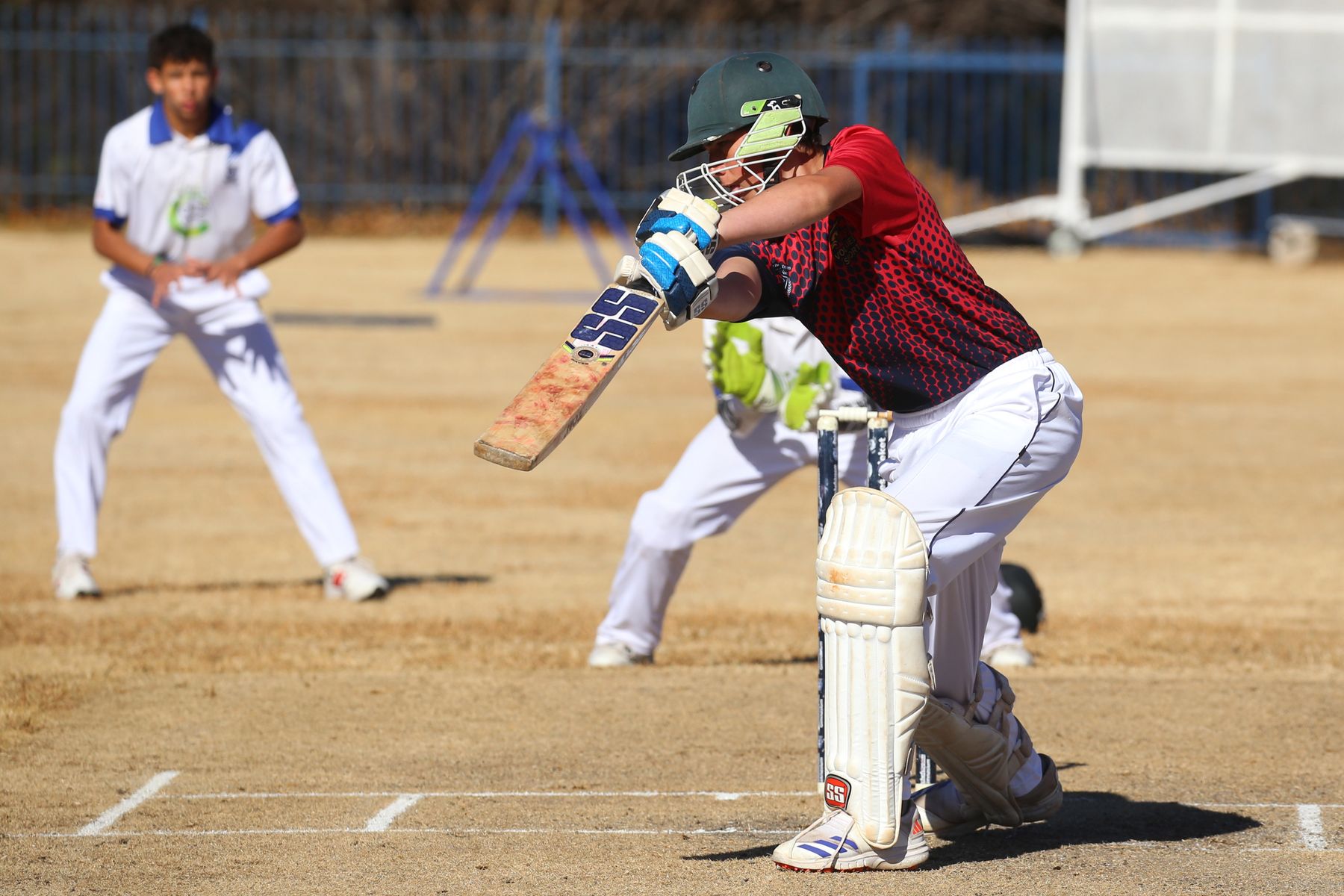
New Zealand Cricket's published Youth Pace Bowling Load Recommendations use the F.I.R.S.T. framework: Frequency, Intensity, Type of training, Rest and Surface. Record every training and match session, not just match overs. Track spell lengths, weekly volume, intensity and recovery, then confirm the applicable limits with your Major Association Coach Development Lead because the NZC document includes separate match and weekly guidance.
A match scorebook does not show the whole workload
A junior pace bowler may bowl at school, at club training, in a weekend match and at a representative session. If each coach records only their own activity, nobody sees the full week.
That is why workload tracking needs to include training and matches. The useful record is not just how many overs appeared in the scorebook. It is how often the player bowled, how hard the session was, how long each spell lasted, what type of bowling was completed and how much recovery was available.
New Zealand Cricket has published Youth Pace Bowling Load Recommendations for U13–U19 players. The recommendations are still listed in NZC’s community resources hub and are intended to help coaches, parents, schools and clubs manage a young pace bowler’s season.
The NZC document is dated October 2021. Use it alongside the current competition playing conditions and advice from your Major Association Coach Development Lead. It is guidance for planning, not a diagnosis or a guarantee that a particular workload is safe for every player.
Start with NZC’s F.I.R.S.T. framework
NZC asks coaches to consider five parts of the workload rather than counting overs alone.
| Letter | Factor | What to record |
|---|---|---|
| F | Frequency | How many bowling sessions or days the player completes in a week |
| I | Intensity | How hard the player works during each session |
| T | Type of training | Technical work, target bowling, competitive nets or tactical practice |
| R | Rest | Recovery between spells, sessions, matches and high-load periods |
| S | Surface | Changes between indoor and outdoor venues and the effect on the player |
Intensity matters as much as, or more than, volume in the NZC recommendations. Ten overs of seam-release and technical work are not the same as ten overs of full-run-up competitive bowling.
That is why a useful log records the session type and intensity as well as the overs.
Read the NZC Youth Pace Bowling Load Recommendations (October 2021). NZC also lists the document in its community support and resources hub.
NZC pre-season preparation periods
The NZC document recommends a gradual build-up before the season or a tournament. The suggested lead-in depends on the player’s age and school year.
| Age or school year | Start gradual bowling preparation |
|---|---|
| U13 and U14 / Year 9 and 10 | 2 weeks before the season |
| U15 and U16 / Year 11 and 12 | 4 weeks before the season |
| U17 and U18 / Year 12 and 13 | 6 weeks before the season |
| U19 / Year 13 and school leaver | 8 weeks before the season |
NZC advises coaches to start with the target workload the player needs to manage and work backwards, increasing the load gradually from week to week. Do not try to make up missed preparation by adding extra overs immediately before the first match.
The plan should reflect the player’s current technique, fitness, maturity, bowling speed and injury history. A player returning from a break or an injury may need a different progression from a team-mate in the same age group.
NZC in-season weekly volume guidance
The NZC document gives these weekly volume ranges across training and matches:
| Age or school year | Suggested weekly volume |
|---|---|
| U15 / Year 11 | 15–17 overs |
| U17 / Year 12 and 13 | 18–20 overs |
| U19 / Year 13 and school leaver | 20–23 overs |
The document does not give a weekly volume range in this table for U13 or U14. Do not fill that gap by copying an older age group’s number.
NZC also stresses that every bowler needs individual management. Physical maturity, technique, bowling speed, fitness and previous injury can change how much work a player copes with.
NZC match guidance for once-a-week games
The October 2021 NZC document has a separate table for once-a-week games:
| Age or school year | Maximum overs in a spell | Maximum overs in a day |
|---|---|---|
| U13 / Year 9 and 10 | 4 | 8 |
| U14 / Year 10 and 11 | 4 | 8 |
| U15 / Year 11 and 12 | 5 | 12 |
| U16 / Year 12 and 13 | 6 | 14 |
| U17 / Year 12 and 13 | 6 | 14 |
| U18 / Year 13 | 6 | 20 |
| U19 | 6 | 20 |
The NZC document also says that, after a spell, the bowler should not bowl again until an equivalent number of overs has been bowled from the same end. For example, after a four-over spell, four overs should be completed from that end before the bowler returns.
An important detail in the NZC document
The same document gives a separate weekly key message:
- U15–U17 / Years 11–13: one day off between sessions, three bowling days per week and five-over spells.
- U19 / Year 13 and school leaver: no more than two bowling days in a row, four bowling days per week and six-over spells.
The weekly key message uses a five-over spell for U15–U17, while the once-a-week match table lists six-over spell caps for U16 and U17. Do not guess which figure applies to a particular grade or tournament. Confirm the current competition rule and the intended application of the NZC guidance with your Major Association Coach Development Lead before setting a player’s limit.
NZC also recognises that tournament schedules may not allow the recommended maximum number of bowling days in a row. Its advice is to reduce the number of overs bowled each day and seek guidance from the Major Association Coach Development Lead.
Track intensity as well as overs
NZC’s intensity guide uses four levels to describe the work being done at the crease.
| Level | Description | Typical focus |
|---|---|---|
| 0 | Seam-release bowling from one or two steps | Warm-up, seam release and technical work |
| 1 | Two or three steps to a half run-up, around 40–60% intensity | Warm-up, seam-release drills, technical work and target bowling |
| 2 | Half to three-quarter run-up, around 60–85% intensity | Skill development and target bowling; a batter may be involved if the intensity stays at this level |
| 3 | Full run-up, around 85–100% intensity | Competitive nets, match intensity and tactical work |
Use the player’s description and the coach’s observation to record the level. Do not treat the percentage as a device reading unless one was actually measured.
A session can include more than one intensity level. If it does, record the parts separately or note the highest level reached. That makes the log more useful than writing only “nets”.
What to record after every bowling session
Use one row for every day the player bowls, whether it is a match, a net, a school session or a representative activity.
| Field | What to write down |
|---|---|
| Date | The actual day the player bowled |
| Player age and grade | Age under the competition’s current definition and the grade played |
| Session type | Match, club training, school, representative or other |
| Overs bowled | Total overs for that session |
| Spell lengths | Each continuous spell, recorded separately |
| Intensity level | NZC Level 0, 1, 2 or 3, with a short note |
| Type of work | Seam release, technical, target, competitive net or tactical |
| Surface | Indoor, grass, synthetic or another venue surface |
| Other bowling that week | School, club and representative sessions already completed |
| Recovery plan | Next non-bowling day and upcoming match or training |
| Notes | Unusual fatigue or a reported concern, handled under club privacy policy |
A bowling day counts even if the player bowls only a short spell. A light technical session may be different from a full-intensity match, but it should not disappear from the record.
Keep the log factual. Do not write a diagnosis or share private medical details in a team spreadsheet. If a player reports pain or a concern, follow the club’s welfare process and involve the parent or guardian as appropriate.
A weekly tracker you can copy
| Day | Activity | Overs | Spell lengths | Intensity | Surface | Next bowling rest day |
|---|---|---|---|---|---|---|
| Monday | ||||||
| Tuesday | ||||||
| Wednesday | ||||||
| Thursday | ||||||
| Friday | ||||||
| Saturday | ||||||
| Sunday |
At the end of the week, count the number of days the player bowled and review the longest spell, total overs, intensity levels and recovery days. Add school or representative activity before deciding whether another bowling session fits.
The tracker is deliberately simple. A parent or coach should be able to update it in a minute after training.
Recovery and tournament planning
NZC says recovery is essential for bones, muscles and tendons to adapt before the next training session or match. Its recommendations include:
- a lighter bowling week every four weeks
- a week off bowling every 10–12 weeks
- where possible, a two-week de-load after a major tournament week
These are planning recommendations from the NZC document. They are not a substitute for an individual return-to-bowling plan after an injury.
If a tournament schedule forces consecutive bowling days, NZC advises reducing the number of overs bowled each day and contacting the Major Association Coach Development Lead for guidance.
Do not try to make up missed bowling by adding extra overs in the next session. A gradual and consistent build-up is more useful than a sudden catch-up.
How to use the log when planning the next week
A workload record is useful only if someone reviews it before the next session.
- Collect every session. Ask the player or parent to add school, club and representative bowling.
- Count bowling days. Do not count only match days.
- Check each spell. Compare the longest spell with the current competition rule and the applicable NZC guidance.
- Review intensity. Identify how much full-run-up or match-intensity bowling has been completed.
- Check recovery. Identify consecutive bowling days and whether the player has a planned lighter period.
- Plan the next session. If the week is already busy, remove optional bowling rather than adding volume automatically.
- Review the pattern. Look for sudden increases after a break, tournament blocks or a change of surface.
NZC’s current Youth Fast Bowling Challenge page reminds players to record deliveries as part of normal training, not to add extra bowling just to chase a faster ball, and to stop and get a concern checked before bowling again.
Players who may need extra care
Age bands are a starting point, not a complete picture of an individual bowler.
A player who is growing quickly, has a previous injury, is changing technique or is moving from indoor to outdoor training may need a different plan. NZC specifically asks coaches to consider physical maturity, technique, bowling speed, fitness and previous injury.
If a junior bowler experiences lower-back pain while bowling, stop the bowling session and seek advice from an experienced sports doctor or physiotherapist before the player continues. Cricket Australia’s junior pace bowling guidance also makes this stop-and-assess recommendation for lower-back pain. Do not ask a player to bowl through pain to complete a target or finish a match.
This guide is not a medical assessment. Follow the club’s injury, concussion and safeguarding procedures, and involve parents or guardians in decisions about a junior player’s welfare.
Make workload tracking part of the coaching routine
The simplest system is the one that is used consistently.
- Ask the player to report all bowling outside the club.
- Update the record immediately after each session.
- Review the next seven days before confirming the training plan.
- Keep match and training spells separate in the log.
- Record the NZC document version and current competition rule so an old limit is not reused by mistake.
- Store player information securely and share it only with people who need it for coaching or welfare.
The cricket coach equipment bag checklist includes a simple way to keep session notes and a ball counter with the coach’s kit. The cricket training safety briefing checklist covers supervision, activity zones and stop signals. For a junior practice structure that keeps players involved without unnecessary queues, see the 45-minute junior cricket session plan.
Parent and coach review checklist
- Every match and training bowling day has been recorded
- Total overs and each spell are recorded separately
- School and representative sessions are included
- Intensity, type of work and surface are recorded
- Current New Zealand competition rules have been checked
- NZC guidance has been discussed with the relevant coach development lead where needed
- Recovery days and lighter periods are visible in the weekly plan
- Workload has not jumped suddenly after a break
- The player has a clear way to raise fatigue or discomfort
- Lower-back pain leads to stopping bowling and seeking professional assessment
- The log is stored and shared appropriately
A workload tracker does not replace coaching judgement or medical care. Its value is that it makes the whole week visible, so adults can plan bowling with the player’s long-term development and wellbeing in mind.