Cricket Umpire Equipment Checklist: Match-Day Kit and Backups
Pack a practical cricket umpire kit for club matches, with counters, timing, notes, weather gear, spare equipment and a reliable pre-match routine.
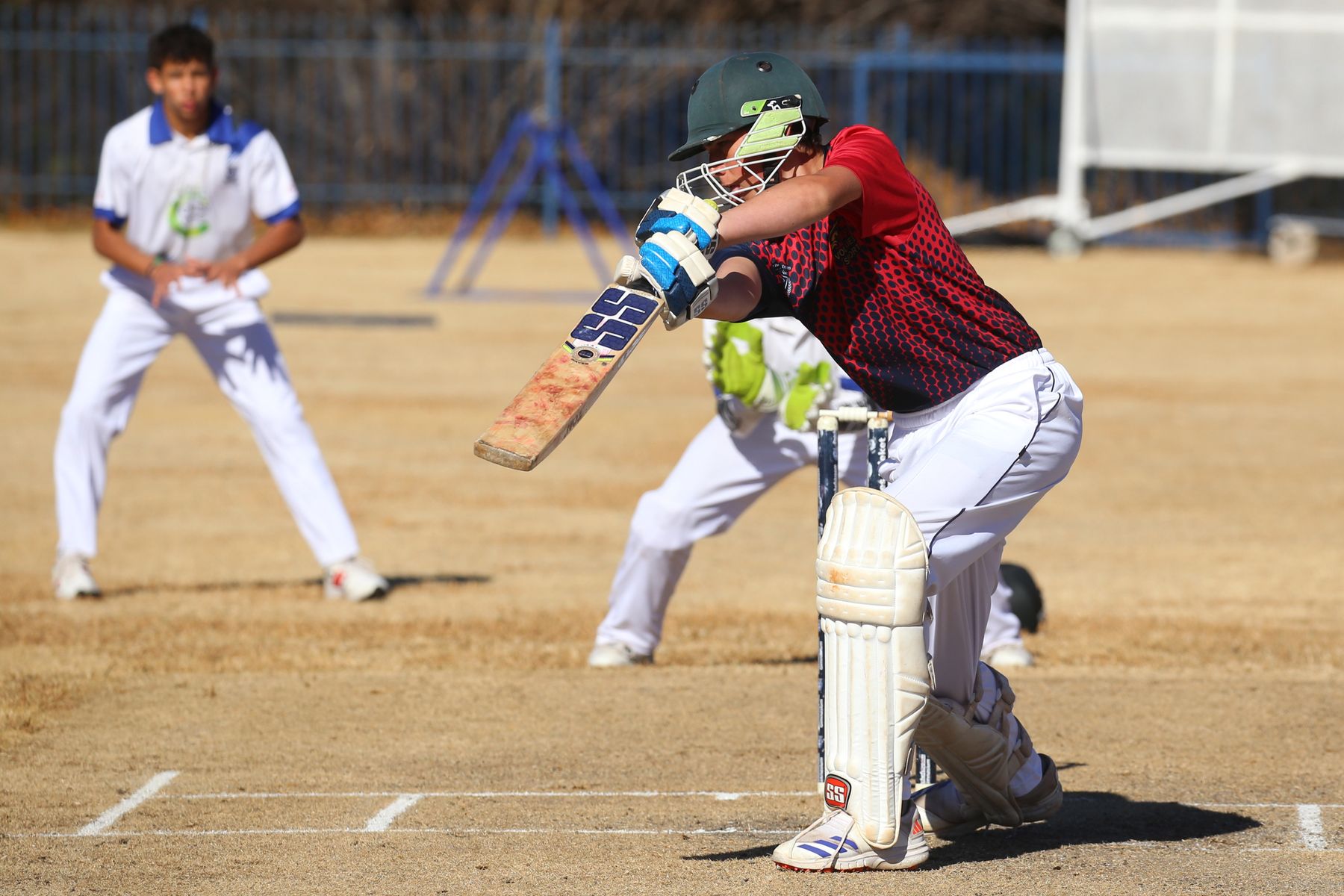
An umpire's core kit should support counting, timing, communication and safe decision-making without becoming a heavy bag of gadgets. Pack a reliable ball counter, two watches or timing methods, pencils and waterproof notes, current Laws and playing conditions, a tape measure where the competition requires checks, spare bails or small approved spares if locally expected, weather protection, water and personal medication. Separate on-field items from the reserve bag, test everything before leaving, agree signals and match details with the scorers, and never let a gadget replace the competition rules or the umpires' shared judgement.
What belongs in an umpire kit?
An umpire kit is the equipment an official uses to prepare, control, record and communicate during a match.
Some items are essential for almost every appointment. Others depend on the competition, ground, weather and the responsibilities assigned to the officials.
The Laws set duties and communication requirements. They do not prescribe one universal shopping list for every level of cricket. Treat this checklist as a practical packing system and confirm the current playing conditions for the match.
A good kit should help the umpire:
- count valid balls
- manage time
- record unusual events
- check match information
- communicate with the other umpire and scorers
- handle minor expected equipment gaps
- stay protected from weather
- remain focused through a long day
It should not encourage the umpire to carry out repairs, medical work or technical tasks outside their role and competence.
The on-field essentials
Keep the items you need during an over small and predictable.
| Item | Purpose | Useful backup |
|---|---|---|
| Ball counter | Track valid balls in the over | Second counter in pocket or bag |
| Watch | Match time, intervals and allowances | Independent second watch |
| Pencil | Notes that work in varied weather | Two short spare pencils |
| Match card | Teams, captains, toss and key times | Duplicate card in reserve bag |
| Small notebook | Incidents, allowances and reminders | Waterproof cover or spare sheet |
| Current playing conditions | Competition-specific rules | Offline copy or printed extracts |
| Laws reference | Check an unusual situation | Official app plus printed key notes |
| Handkerchief or signal cloth | Personal use or agreed scorer acknowledgement | Spare dry cloth |
Do not attach so many items to the body that they catch on clothing, fall onto the pitch or distract during movement.
Choose a ball counter you can trust
Counters come in several forms:
- six-bead or six-position mechanical counters
- rotating dials
- click counters with separate fields
- finger or ring counters
- simple stones, coins or markers moved between pockets
- electronic watch or app functions
The best counter is the one the umpire can operate without looking for long.
Before the match:
- reset it
- run through a full over
- include a no ball or wide in the rehearsal
- confirm the reset method
- check it cannot change accidentally in the pocket
- place the backup where it can be reached at an interval
The counter supports concentration; it does not replace communication with the other umpire or scorer.
Develop a repeatable rhythm. Update the counter after the delivery is settled and any signal is complete. Avoid changing it while the ball is still live.
Use two independent timing methods
Timing responsibilities can include:
- scheduled start
- intervals
- drinks
- time allowances
- suspensions
- close of play
- over-rate information
- batter readiness or other competition-specific limits
A watch can fail, reset or be obscured by rain. Carry two independent timing methods, such as a primary wristwatch and a simple backup in the reserve bag.
Check:
- correct local time
- battery level
- alarm settings
- 12- or 24-hour display
- whether a touchscreen locks in rain
- whether vibration or sound may distract
- the official clock agreed before the match
Do not depend on a phone as the only clock. It may be needed for emergency communication, may run out of power and can appear inappropriate on the field.
Record important start, stop and restart times on the match card. A written note is easier to reconcile than memory.
Pencils beat complicated stationery
A short pencil is reliable, works on many papers and is less likely to leak in heat.
Pack:
- two or three pencils
- a small sharpener in the reserve bag
- waterproof or water-resistant match cards
- a compact notebook
- a permanent marker for labelling, not for the score record
- a zip bag for dry paper
Pens can work well, but test them on the chosen cards. Some inks stop in rain or smear on coated paper.
Do not carry sharp tools loosely in a pocket. Keep the sharpener, scissors or repair items in a closed section of the reserve bag.
Build a useful match card
A match card should show information the umpire may need quickly:
- competition and grade
- teams
- captains
- toss result and decision
- nominated players or team-sheet check
- fellow umpire
- scorers
- scheduled start and close
- interval length
- drinks agreement
- number of overs
- overs per bowler
- ball type and approved spares
- boundary or ground agreements
- local or competition variations
- emergency and match-manager contact
- significant event notes
Do not copy personal information that is unnecessary for officiating.
Design the card with blank space. A card crowded with tiny pre-printed fields becomes difficult to use during a real incident.
Carry the current Laws and playing conditions
The match is governed by the Laws together with the competition’s playing conditions.
Carry access to:
- the current MCC Laws
- the exact competition playing conditions
- local ground regulations
- weather or interruption procedures
- the competition’s reporting process
- any approved junior or modified-cricket rules
The MCC released the 2017 Code, 4th Edition for 2026. Old pocket books or saved PDFs may not reflect the current edition.
Download official references before travelling if mobile coverage is uncertain. Name the files clearly by competition and season.
During an unusual event, the umpires should consult calmly. Do not scroll through an unrelated summary when the official text is available.
Measure only what the appointment requires
A compact tape measure can be useful for checking:
- crease markings
- wicket dimensions
- boundary concerns
- junior pitch length
- permitted ground arrangements
The pitch-marking guide and boundary set-up guide explain the official measurements and a club setup process.
The umpire should not spend the morning rebuilding a ground. Raise defects with the ground authority and follow the competition process. Safety and suitability decisions remain with the umpires under the applicable Laws and conditions.
Choose a tape with legible units and a controlled rewind. Keep fingers clear of the return mechanism and do not leave the tape stretched across a path.
Spare bails and small match spares
At some community grounds, officials may be expected to help identify a missing small item. Confirm local practice rather than assuming.
Possible spares include:
- one complete set of suitable bails
- bowler’s run-up markers permitted by the competition
- small cloths for keeping the ball dry where appropriate
- spare match cards
- coin for the toss
- approved stump gauge or simple measuring tool
- cable ties only for off-field bag organisation, not equipment repairs
Any match ball and replacement balls remain subject to the competition and the umpires’ approval and control. Do not bring a personal ball and introduce it casually.
Spare bails must match the format and conditions. Heavy bails, light bails and no-bail arrangements should follow the Laws and competition decision, not individual preference.
The stumps and bails guide covers standard dimensions and setup checks.
The toss coin
A dedicated coin avoids a last-minute search.
Choose one that is:
- easy to distinguish on the ground
- large enough to handle
- not so heavy that it becomes a hazard
- clearly two-sided
- stored in a consistent pocket
Agree who will toss and where. Retrieve the coin immediately; do not leave it on the square.
A commemorative coin is optional. Fairness and a clear call matter more than appearance.
Communication with scorers
The MCC Laws require scorers to accept and immediately acknowledge umpire instructions and signals. Umpires also need to be able to contact scorers about score correctness.
Before play, agree:
- scorer names and positions
- how each signal will be acknowledged
- how the scorer will request clarification
- how the umpires will contact the scorers
- the official score and scoreboard workflow
- who records time allowances
- how corrections will be reconciled
- what happens if electronic scoring fails
The scorebook guide explains the scorer’s side of this relationship.
Keep signals deliberate and visible. Wait for acknowledgement where required. Do not rush the next delivery while the scorer is still clarifying two signals.
Umpire signals are not equipment
Signal cards and reference diagrams are useful for study, but the on-field signal must follow the current Law or playing condition.
The 2026 MCC Laws and official app provide the current signal guidance. Practise signals before the season so they are:
- correct
- distinct
- held long enough
- visible to the scorers
- given at the proper time
- acknowledged separately
A whistle, flag or electronic signal should not be added unless the competition specifically authorises it.
Clothing and footwear
Clothing is part of the working kit.
Choose:
- the required competition uniform
- layers suitable for the forecast
- comfortable, stable footwear for the surface
- spare socks
- approved headwear
- sun protection
- a weather layer
- a warm layer for intervals
- a complete change of clothes in the reserve bag
Check whether the competition specifies colour, logos or protective requirements.
Footwear needs grip without damaging the pitch. Clean mud from the sole before walking onto prepared areas. Replace worn footwear before stability becomes uncertain.
Rain equipment
Useful rain preparation includes:
- waterproof outer layer
- brimmed hat or cap
- dry match cards
- zip bags
- small towel
- spare cloth
- dry socks
- protective cover for the reserve bag
Do not let a hood, umbrella or loose garment obstruct vision during play.
The umpires decide whether conditions are dangerous or unreasonable under the applicable Law. Personal waterproof clothing does not make unsafe conditions acceptable.
Keep electronic items protected and follow their water-resistance limits.
Sun and heat
Pack:
- drinking water
- sunscreen
- hat
- sunglasses if permitted and suitable
- light long-sleeve option
- electrolyte or food plan appropriate to personal needs
- spare water at the pavilion
Do not wait until thirst affects concentration.
Discuss drinks arrangements before play. Umpires should not improvise repeated delays that conflict with the playing conditions, but welfare concerns should be addressed through the proper match process.
Cold and wind
Cold hands can affect the counter, notes and signals.
Consider:
- thin warm base layer
- windproof outer layer
- dry gloves for intervals
- hand towel
- warm drink at a break
- spare hat
- additional dry socks
On-field gloves may not suit every competition or task. They must not interfere with ball handling or signals.
Secure loose cards and hats. Wind can carry paper onto the pitch or into play.
Personal health items
An official should bring necessary personal medication and health items.
Keep them:
- labelled
- within expiry
- protected from heat and moisture
- accessible at the appropriate time
- communicated to the fellow umpire when a relevant emergency plan is needed
Do not carry medication for players unless that is part of a separately authorised and competent role.
Know the venue’s emergency process and the location of first-aid support. The umpire kit is not a substitute for the organiser’s medical arrangements.
The reserve bag
Use sections or small pouches.
On-field pouch
- counter
- watch
- pencil
- match card
- handkerchief or agreed acknowledgement cloth
Laws and administration pouch
- playing conditions
- notebook
- team-sheet notes
- report forms
- spare pencils
- reading glasses if required
Weather pouch
- sunscreen
- waterproof layer
- spare socks
- towel
- warm layer
Equipment pouch
- second counter
- second watch
- tape measure
- toss coin
- permitted small spares
- batteries only for owned approved devices
Personal section
- water
- food
- medication
- phone and power bank, stored off-field unless required
Label the pouches. A fellow official should be able to find the spare counter or report form without emptying the bag.
Phone use
A charged phone is useful for:
- emergency contact
- match-manager communication
- official reference documents
- weather information during authorised checks
- post-match reporting
Set it to an appropriate quiet mode and store it securely.
Do not use the phone for casual messages on the field. Avoid photographing team sheets, minors or incidents unless the competition process specifically authorises it and privacy requirements are satisfied.
A power bank belongs in the reserve bag, not a trouser pocket.
A pre-match equipment check
Run this sequence the evening before.
Documents
- appointment confirmed
- venue and start time confirmed
- playing conditions downloaded
- ground or competition variations checked
- report process available
- team and contact information limited to what is needed
On-field items
- primary counter works
- backup counter packed
- primary and backup watches correct
- pencils sharpened
- match cards dry
- toss coin packed
Clothing
- uniform complete
- footwear clean
- forecast layers packed
- rain layer packed
- change of clothes packed
Personal
- water
- food
- medication
- sunscreen
- phone charged
- travel plan checked
Match spares
- tape measure
- approved small spares
- spare paper
- zip bags
- towel
Put the bag by the exit only after the checklist is complete.
The ground arrival routine
Arrive at the time required by the competition.
Then:
- meet the fellow umpire and match contact
- confirm the official clocks
- inspect the playing area and boundaries
- check wickets and creases
- identify scorers and their position
- agree signal acknowledgement
- review playing conditions and local agreements
- inspect match and replacement balls as required
- confirm team sheets and toss process
- write down the agreed times
- place the reserve bag securely
- reset counter and watch for the start
Do not leave all administration until after the toss.
During the match
Use the same pocket layout all day.
At each interval:
- compare important time notes
- confirm the score with the scorers
- reset or check counters
- drink and manage weather layers
- record any incident while details are fresh
- replace damp cards or pencils
- confirm restart time
- make sure the ground is ready before returning
After a complex event, note the over, time, players and decision promptly. Do not write a long report while live play is about to restart.
After the match
Before leaving:
- confirm the result and score
- complete required consultations
- collect all equipment
- record any incident or ground concern
- submit or preserve reports through the authorised process
- dry wet clothing and bag
- recharge devices
- replace used cards and broken pencils
- update the playing-conditions file if the competition issued a change
- note any item needed before the next appointment
Do not leave confidential team or incident notes loose in the pavilion.
What not to carry onto the field
Avoid:
- unnecessary keys
- loose coins beyond the toss coin
- glass containers
- sharp tools
- bulky rule books in pockets
- headphones
- distracting smart-device notifications
- unapproved communication devices
- personal balls not under match control
- anything that may fall onto the pitch
Keep the working kit light enough that the umpire can move freely and concentrate.
Common mistakes
Relying on one counter
It breaks or disappears, and the umpire has no familiar backup.
Using a phone as the only watch
A low battery or notification becomes a match problem.
Carrying last season’s conditions
A competition change is missed because the file name was unclear.
Packing too much on the body
Objects interfere with movement and concentration.
No scorer meeting
Signals and corrections become uncertain after play has started.
Treating a gadget as authority
A timer, app or counter conflicts with the Laws or playing conditions and is followed without checking.
Forgetting the post-match reset
Wet clothing, flat batteries and incomplete forms remain in the bag until the next appointment.
A sensible starter kit
For a new club umpire, begin with:
- two ball counters
- two watches
- three pencils
- six to ten match cards
- small notebook
- current official Laws access
- current competition conditions
- toss coin
- compact tape measure
- waterproof card pouch
- water bottle
- sunscreen
- rain layer
- spare socks
- small towel
- labelled reserve bag
Add specialist items only when the appointment requires them.
Good preparation is quiet. The kit should make the official more reliable without becoming the centre of the match.
Sources and further reading
- MCC: About the Laws of Cricket and the 2026 edition
- MCC: Law Appendices
- New Zealand Cricket: Cricket Scoring — Getting Started
- New Zealand Cricket: Plunket Shield Playing Conditions
- ECB: Scoring Pathway 2026
Follow the current Laws, competition playing conditions, appointment instructions and venue procedures. Practical kit advice does not replace official requirements or qualified medical, electrical or safety guidance.