Cricket Protective Equipment Guide: What Each Item Does
A practical guide to helmets, batting pads, gloves, abdominal guards, thigh guards, arm guards and chest protection.
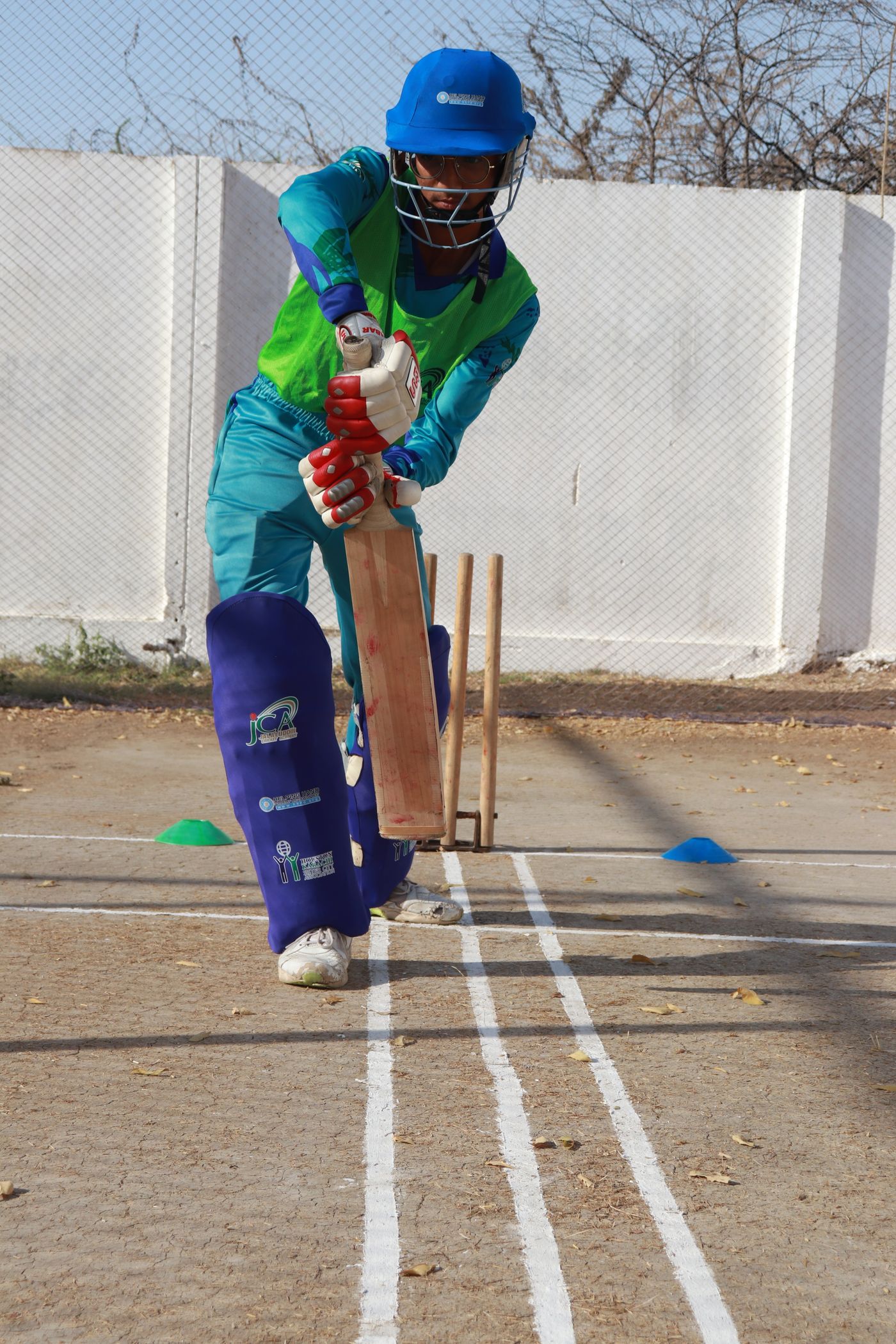
The essentials depend on role and format, but batting protection usually starts with a helmet where required, batting gloves, pads and an abdominal guard. Thigh, arm and chest protection add coverage based on player preference and level.
Helmet
Protects the head and face. Certification and fit matter as much as size. For NZ junior hardball cricket, check NZC’s current helmet policy.
Batting gloves
Protect the fingers and hand while preserving grip. Sausage and split-finger constructions trade stiffness for flexibility differently.
Batting pads
Protect the shin, knee and surrounding lower-leg area. Correct knee-roll position is the key fit check.
Abdominal guard
A personal protective item designed to protect the groin. It should be held securely by a suitable support garment or system.
Thigh guard
Protects the upper leg. Integrated inner-thigh and outer-thigh systems can give broader coverage than a single traditional pad.
Arm and chest guards
Optional external protection that can be useful depending on bowling pace, player confidence and batting position.
What MCC permits
MCC’s Laws identify a batter’s permitted visible external protective equipment as a protective helmet, external leg guards, batting gloves and, if visible, forearm guards. Other protection may be worn underneath clothing where permitted by competition rules.