Cricket Shoes: Spikes vs Rubber Studs for Every Surface
Choose cricket shoes for grass, artificial turf, indoor nets and hard surfaces with this practical guide to metal spikes, moulded studs and rubber soles.
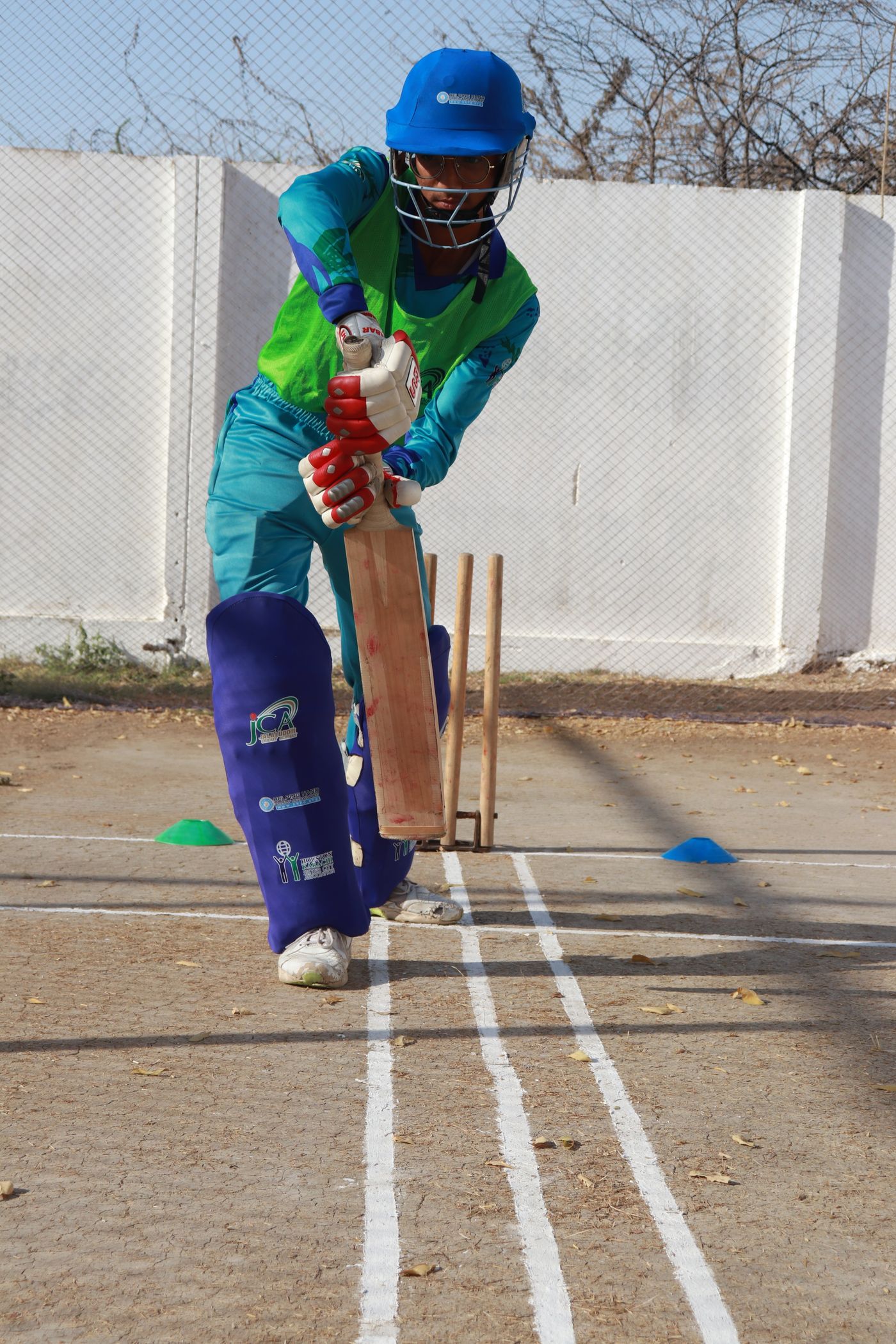
Use metal spikes only on natural turf where the ground allows them. Use moulded rubber studs or a grippy rubber outsole on artificial and hard surfaces, and non-marking indoor shoes where the venue requires them. Always check the facility rules before training or playing.
Start with the surface, not the shoe colour
The best cricket shoe is the one that grips the surface without damaging it or making your foot unstable. A premium spiked shoe can be the wrong choice on synthetic turf, while a flat indoor outsole can feel insecure on soft grass.
Before buying, list where the player actually trains and plays:
- natural grass outfields
- prepared turf pitches
- artificial or synthetic pitches
- outdoor hard courts or concrete practice areas
- indoor nets or sports halls
Many players need one versatile rubber-soled pair. Others—especially senior players on turf—benefit from a dedicated spiked pair as well.
Quick surface guide
| Surface | Usually suitable | Usually avoid | Why |
|---|---|---|---|
| Natural grass / turf | Metal spikes, removable spikes or cricket-specific moulded studs | Flat indoor soles in wet or soft conditions | Penetrating traction helps when running, bowling and changing direction |
| Artificial cricket turf | Rubber studs, dimpled turf outsole or manufacturer-approved moulded sole | Metal spikes unless the venue expressly permits them | Metal can damage the surface and may not seat safely |
| Outdoor hard court / concrete | Durable rubber outsole | Metal spikes | Metal provides poor contact and can be hazardous |
| Indoor sports floor | Clean, non-marking rubber outsole | Metal spikes and aggressive outdoor studs | Venue protection and predictable grip matter |
| Indoor synthetic lane | Venue-approved rubber or turf outsole | Any studs or spikes prohibited by the facility | Local rules and the lane construction vary |
“Usually” matters. Facility rules always come first.
Metal spikes: best for natural turf
Metal cricket spikes are designed to bite into soil and grass. They are most useful when a player needs traction on a turf square or outfield, particularly when conditions are damp or the player produces high forces through the foot.
Advantages
- strong traction on suitable natural turf
- confidence through a bowler’s delivery stride
- stability when accelerating, stopping and turning
- removable systems can sometimes be changed for different conditions
Limitations
- unsuitable for most artificial, concrete and indoor surfaces
- can feel harsh when walking long distances off the field
- require cleaning and periodic tightening
- may be prohibited by a ground or competition
Never walk across changing rooms, polished floors or concrete in metal spikes if the venue forbids it. Apart from floor damage, the contact can be unstable.
Rubber studs and moulded cricket soles
Rubber-studded or moulded cricket shoes spread traction across multiple lugs. They are a practical choice for artificial pitches, dry grass and mixed training environments.
Advantages
- useful across more surfaces than metal spikes
- no loose spike key or individual metal spikes to maintain
- generally more comfortable for long sessions
- often the best single-pair option for juniors and club players using synthetic facilities
Limitations
- may not bite deeply enough into wet natural turf
- aggressive studs can still be banned indoors
- worn lugs reduce traction even when the upper looks fine
Moulded does not automatically mean “safe everywhere”. Inspect the sole pattern and ask the venue.
Flat and dimpled rubber outsoles
Indoor and court-style cricket shoes use a flatter, grippy outsole. Some artificial-turf shoes use many small rubber dimples.
These designs maximise contact with a hard or shallow-pile surface. They should also allow the foot to flex and change direction without a tall stud catching unexpectedly.
For sports halls, look for a clean, non-marking outsole. One New Zealand indoor cricket facility, for example, expressly prohibits studded and spiked footwear. Other centres may publish different rules, so treat the booking confirmation or facility signage as part of your kit checklist.
What bowlers need
Fast bowling places repeated force through the feet, ankles and lower legs. Traction is important, but “more grip” is not always safer. A sole that locks abruptly into the wrong surface can be as problematic as one that slips.
Prioritise:
- a secure heel
- enough room across the forefoot
- reliable lacing
- a stable platform under the landing foot
- an outsole intended for the surface
- cushioning that remains supportive late in a spell
If a bowler trains on artificial lanes but competes on turf, two pairs can make sense: a rubber-soled training shoe and a spiked match shoe. The fit should feel familiar across both.
What batters, wicketkeepers and fielders need
Batters
Batters need grip for the first explosive steps, quick turning and a stable base at contact. A lighter shoe can feel fast, but not at the cost of heel security or forefoot grip.
Wicketkeepers
Keepers repeatedly squat, rise and move laterally. Look for forefoot flexibility, stable side-to-side support and an outsole that grips without feeling planted.
Fielders
Fielders cover the largest variety of ground. On natural turf, studs or spikes can help with acceleration and deceleration. On artificial or hard surfaces, a rubber outsole is normally the practical choice.
One pair or two?
One pair is usually enough when:
- almost all cricket is on artificial turf
- the player is a beginner or junior
- the competition does not allow metal spikes
- budget and rapid foot growth make simplicity sensible
- the player needs the same shoe for training and matches
A cricket-specific rubber-studded shoe is often the most versatile answer.
Two pairs become useful when:
- matches are mainly on natural turf
- training is mainly on artificial or indoor surfaces
- the player bowls at high pace
- wet grass is common
- the turf venue permits spikes but the training venue does not
Do not buy two pairs before confirming the schedule. The right answer is driven by actual surfaces.
Can removable spikes solve everything?
Some cricket shoes accept removable metal or rubber spikes. This can be useful, but it does not make every shoe suitable for every surface.
The midsole, base plate and remaining fixed lugs still shape how the shoe behaves. Follow the manufacturer’s conversion instructions and venue rules. Do not improvise with incompatible spike threads or leave empty sockets that the shoe was not designed to use.
Fit matters as much as traction
Try cricket shoes with the socks used for matches. The heel should stay secure, toes should not hit the front during a hard stop, and the forefoot should not be squeezed.
Use the Cricket shoe size guide and shoe size converter before ordering. Size labels vary between systems, so measure both feet and use the larger foot as the starting point.
For juniors, do not oversize dramatically “for growth”. Excess length can cause heel movement, delayed braking and instability. A sensible growth allowance is different from a shoe that is plainly loose.
Care and safety checklist
After each session:
- Remove mud with a soft brush.
- Air-dry the shoes naturally.
- Take out the insole if the shoe is wet.
- Never dry directly on a heater.
- Check removable spikes for looseness.
- Inspect the outsole for smooth, worn areas.
- Look for upper separation around the forefoot.
Replace the shoe when grip is materially worn, the upper no longer holds the foot securely, the sole is separating or cushioning has collapsed. A shoe can look clean and still be mechanically tired.
Common buying mistakes
Buying metal spikes for synthetic cricket
Unless the facility explicitly allows them, assume metal spikes are not suitable.
Using running shoes as a long-term substitute
Running shoes are built mainly for forward motion. Cricket involves lateral movement, hard stopping and rotational forces, so cricket- or court-specific support is preferable.
Choosing by role and ignoring the venue
A “bowling shoe” is not automatically appropriate on an indoor lane. Surface compatibility comes first.
Forgetting off-field walking
If the player moves between pavilion, nets and field, carry spike covers where permitted or change shoes. Do not rely on metal spikes on hard flooring.
Keeping shoes after the grip is gone
Worn studs and smoothed rubber increase slip risk. Inspect the outsole, not only the upper.
The practical buying decision
Choose in this order:
- Venue rule — what footwear is allowed?
- Surface — natural turf, artificial, hard court or indoor?
- Fit — secure heel, correct length and enough forefoot room?
- Role — does the player need extra bowling stability, keeping flexibility or fielding traction?
- Schedule — one versatile pair or separate training and match pairs?
For a junior’s wider setup, see the Junior cricket gear checklist. For sizing across the rest of the kit, use the Complete cricket size guide.