Cricket Bowling Machine Guide: Buying, Set-up and Safe Training
How to choose a cricket bowling machine, compare key features, set it up safely and build useful batting sessions without chasing speed for its own sake.
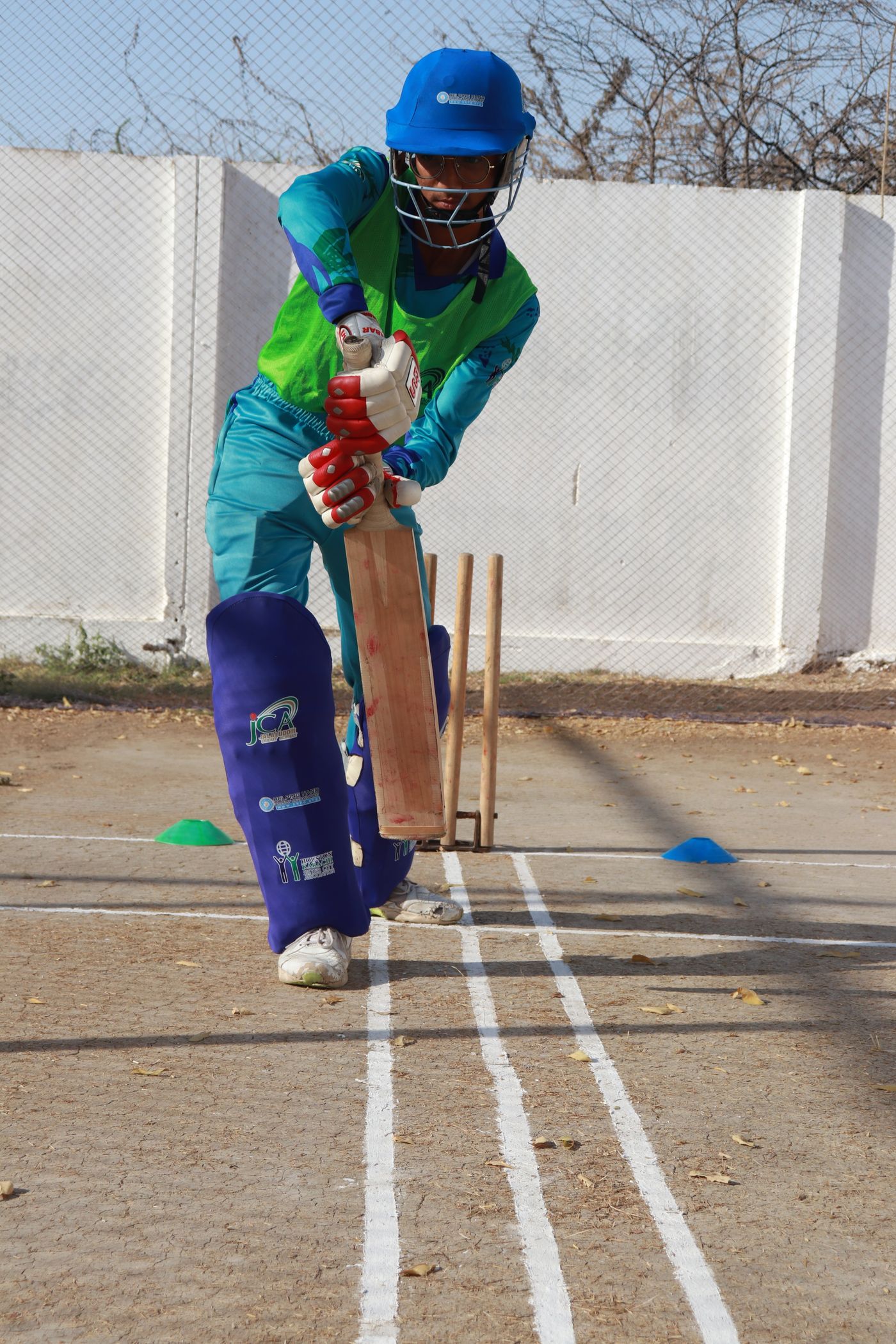
Choose a bowling machine for the players, venue and drills you actually run. Prioritise repeatable line and length, compatible balls, stable construction, practical power and transport, accessible local support and clear operating instructions. A competent operator should inspect and test the machine before every session, begin below the batter's target pace, control each feed and stop and isolate the machine before anyone enters its delivery path or clears a fault.
What a bowling machine can—and cannot—do
A cricket bowling machine is useful because it can repeat a delivery. That makes it easier to work on a specific movement, compare equipment or give a batter a high number of controlled contacts in a short session.
It does not reproduce every part of facing a bowler. The batter may not see a normal run-up, release cue, seam presentation or tactical change. The machine also cannot judge when a player is tired, frightened or losing balance. Those decisions belong to the coach and operator.
The best programme combines machine work with throwdowns, live bowling and game-based practice. Use the machine for a clear problem, not simply because it is available.
Start with the training job
Before comparing specifications, write down the users and the most common drills.
| Training need | Useful machine capability | What matters less |
|---|---|---|
| Junior confidence and basic contact | Fine low-speed control, simple feed, easy line adjustment | Maximum advertised speed |
| Repeating a front-foot drive | Consistent length, quick target adjustment | Large variation library |
| Short-ball practice | Safe height adjustment, stable base, suitable balls | Portability if it never leaves the lane |
| Club squad rotation | Fast repeatable settings, durable wheels, local service support | Consumer app features |
| Home practice | Compact storage, realistic power option, manageable weight | Match-volume ball capacity |
| Advanced decision training | Programmed variation with clear operator control | Extreme pace without useful release cues |
A machine that is excellent for an indoor academy may be awkward for a volunteer-run outdoor session. Total usefulness includes carrying, set-up, charging, ball collection, maintenance and supervision.
The features worth comparing
Speed range and control
Look at the lowest stable speed as well as the maximum. Beginners often need a predictable feed that is slow enough to watch and repeat good movement. Small, clearly marked increments make progression easier.
Do not treat the displayed speed as an exact match to facing a bowler. Perceived difficulty also changes with machine distance, release height, ball type, sightline and time available to pick up the delivery.
Line, length and release height
A good adjustment system should hold its position once set. Check how easily the operator can change:
- horizontal line
- vertical angle and length
- release height
- swing or deviation settings, where fitted
- spin direction and amount, where fitted
The adjustment controls should be reachable without the operator stepping into the likely path of a return shot.
Ball compatibility
Use only balls approved for the machine. Manufacturers may specify dimpled practice balls, particular seam profiles or a limited hardness range. A ball that is too soft, too hard, badly worn or the wrong diameter can feed unpredictably and may damage the wheels.
For a useful overview of adult, women’s and junior specifications, read our cricket ball sizes and weights guide. Competition ball rules do not automatically make a ball suitable for a particular machine.
Keep each feed batch consistent. Mixing new and worn balls can change speed, bounce and accuracy even when the controls do not move.
Power and session length
Mains power suits a fixed indoor lane if cables can be routed safely. Battery power is useful on grounds without nearby outlets, but advertised runtime needs context: speed, feed rate, temperature and battery age all affect a session.
Ask practical questions:
- Can the club complete its longest normal session on one charge?
- Is a replacement battery readily available?
- How long does charging take?
- Can the battery be removed for secure storage?
- What happens if power drops during a feed cycle?
Never improvise an extension lead, charger or power source. Follow the supplied electrical instructions and the facility’s safety requirements.
Portability and storage
Machine weight is only one part of portability. Check the size when folded, the number of separate components, wheel quality, handles and whether two people are required to lift it.
A wheeled machine can still be difficult to move across wet grass, steps or a narrow net entrance. Measure the storage doorway and vehicle before buying. Secure heavy components in transit so they cannot move into people or other kit.
Ball feeder or manual feed
A feeder can create longer self-contained drills, but it adds moving parts and removes some of the natural pause between balls. Manual feeding makes it easier for a coach to control each repetition and stop immediately.
A feeder should not turn a session into unattended batting. Someone still needs to supervise the player, machine, lane and people nearby.
Support, spares and warranty
A club machine is a long-term equipment purchase. Confirm who can supply:
- drive wheels and approved practice balls
- batteries, chargers and power components
- fuses, belts or other service parts
- remote controls and feeder parts
- technical support and repairs
- a current operating manual
A slightly cheaper machine is poor value if a simple wear part makes it unusable for a season.
A safe set-up sequence
A bowling machine should be operated only by someone competent to use that model. Read the manufacturer’s instructions before the first session and keep them available at the facility.
1. Inspect the lane
The surface should be dry, level and predictable. Secure side and backstop netting and control the entrance. Remove loose balls, bags and people from the delivery and return-shot areas.
Our cricket net safety checklist covers the full lane inspection, waiting zones and emergency controls.
2. Inspect the machine
Before connecting power, look for damage, loose fasteners, worn wheels, missing guards, damaged cables, unstable legs and contaminated feed surfaces. Check that controls move as intended and return to a safe state.
Tag and remove a faulty machine from use. Do not rely on a verbal warning that the next operator may never hear.
3. Position and stabilise it
Place the machine on the surface and at the distance specified for the planned drill. Fit stabilisers, anchors or protective screens required by the manufacturer. Keep the operator out of the batter’s direct hitting line.
The release point affects reaction time and bounce. If the machine is moved closer, lower the initial setting and retest; do not assume the same dial position creates the same practice demand.
4. Establish the stop command
Agree who controls the delivery. The batter should acknowledge readiness before each ball or automated sequence. Everyone must know that “stop” cancels the next feed.
Only one ball should be live. Ball collection begins when the machine is stopped and the operator has confirmed that the lane is safe to enter.
5. Test without the batter
Aim the first deliveries into an empty, contained lane at a reduced setting. Confirm the ball reaches the intended area and cannot escape towards another activity.
Retest after any change to distance, angle, speed or ball type. Small machine adjustments can produce large changes at the crease.
6. Bring the batter in gradually
Start below the target pace. Give the batter time to identify the release and bounce, then progress one variable at a time.
The batter should use protective equipment appropriate to the ball, speed and drill. Our cricket protective equipment guide explains the roles of helmets, pads, gloves and body protection.
Operator rules that prevent avoidable incidents
- Never feed until the batter is watching and balanced.
- Never stand in front of a live machine.
- Keep hands, clothing and loose items away from wheels and feed mechanisms.
- Do not remove guards or bypass interlocks.
- Stop and isolate the power before clearing a jam, making an adjustment that enters the delivery path, cleaning or moving the machine.
- Do not let an unsupervised player operate it.
- Keep waiting players behind the machine or in a protected zone, never beside the batter.
- Stop if the line becomes erratic, a guard moves, the machine vibrates unusually or a ball leaves the lane.
- Follow the organisation’s first-aid and incident process after a strike or near miss.
Mechanical isolation is important because a stopped control is not the same as a machine that cannot restart. Follow the supplied shutdown procedure rather than reaching into a feed path.
Build a session around quality, not ball count
A short machine block with a clear objective is usually better than a long stream of identical balls.
Example 30-ball progression
| Block | Deliveries | Purpose |
|---|---|---|
| Watch and leave | 5 | Learn release point and bounce without forcing a shot |
| Stable contact | 5 | Repeat balanced contact in one target area |
| Scoring option A | 6 | Practise one chosen shot and finish position |
| Scoring option B | 6 | Add a second response to a changed line |
| Mixed decision | 6 | Operator varies between the two known options |
| Review | 2 | Finish with the session’s most important delivery |
Pause between blocks. Ask what the batter saw, where balance was lost and whether the drill is still serving the objective. If technique deteriorates, reduce difficulty or stop.
Useful machine drills
Front-foot contact: Set a hittable length and place a floor target for the intended scoring area. Score stable contact and shape, not boundary power.
Back-foot movement: Use a predictable shorter length at moderate pace. The player’s head and feet should remain controlled before speed increases.
Leave or play: Alternate two known lines. The batter earns a point for a correct decision, even when no shot is played.
Equipment comparison: Keep ball type, machine position and delivery setting constant while comparing two bat sizes or protection setups. Change one variable at a time.
Pressure set: Create a small target such as eight good decisions from ten balls. The drill should still allow a safe pause and reset.
Juniors and first hard-ball sessions
A bowling machine can help a junior build confidence, but only if the pace, ball and distance are appropriate. Begin with stationary or soft-ball feeds before moving towards a machine. The player should be able to watch the ball, hold a stable position and respond without turning away.
New Zealand Cricket’s transition material recommends progressive exposure rather than rushing to full hard-ball pace. The correct step depends on the child, not just their age.
A parent or coach should check equipment fit and condition. The junior cricket gear checklist provides a practical starting point.
Maintenance and records
After use, disconnect power and follow the cleaning instructions. Remove dust and ball residue from approved surfaces, check wheels and cables, charge batteries as specified and store the machine dry.
Keep a simple log with:
- date and operator
- pre-use condition
- hours or session count
- faults and unusual behaviour
- battery or wheel changes
- service dates
- action taken before return to use
Usage records make scheduled maintenance easier and help a club recognise a recurring fault before it becomes a failure.
Buying checklist
- Users, venue and drills defined
- Lowest and highest useful speeds checked
- Line, length and release adjustments stable
- Approved balls available locally
- Power and session runtime practical
- Transport route and storage measured
- Operator position protected
- Guards and emergency controls understood
- Spare parts and service support confirmed
- Manual and warranty retained
- Club supervision and maintenance owner assigned
Sources and further reading
- ECB Recreational Cricket Safety Guidelines, December 2025
- ECB Recreational Cricket Safety Regulations
- New Zealand Cricket: Transition to Hard Ball coaching manual
- WorkSafe New Zealand: safe use of machinery
Always follow the machine manufacturer’s current instructions and the rules of the facility, club and governing competition.