Cricket Batting Glove Inners: Fit, Fabrics and Care
A practical guide to batting glove inners: full-finger and fingerless designs, cotton and synthetic fabrics, fit checks, sweat management, washing, rotation and replacement.
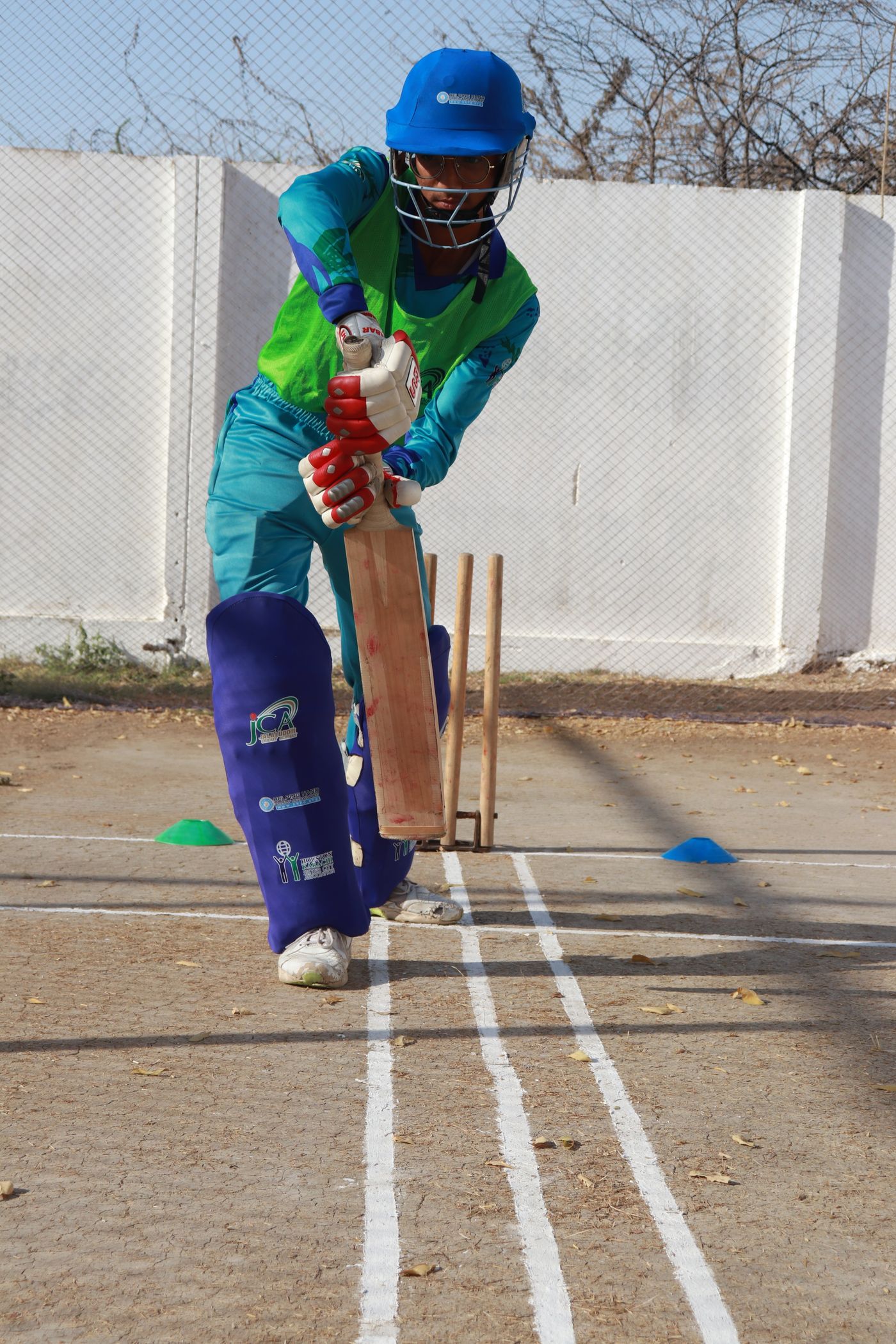
Choose thin batting inners that sit smoothly without bunching and still let the outer glove close, flex and grip normally. Full-finger cotton liners give more coverage; fingerless designs trade some coverage for fingertip feel and airflow. Try the complete glove system together, rotate clean pairs, dry them away from direct heat, and replace liners when seams, stretch or persistent odour make them uncomfortable. Batting inners manage moisture and comfort—they do not add certified impact protection.
What batting glove inners actually do
Batting inners are thin fabric gloves worn under cricket batting gloves. They create a washable layer between the hand and the outer glove, absorb some perspiration and can make a long innings more comfortable. Manufacturers also position them as a way to reduce sweat reaching the inside of the batting glove.
They are not a substitute for a well-fitting protective outer glove. A thin liner does not turn an unsuitable batting glove into suitable protection, and it should not be treated as impact padding unless a product has a specific tested protective claim.
The useful buying question is therefore not “Are inners better?” It is: Does this particular liner improve comfort without compromising the fit, closure, movement or grip of my batting gloves?
Who benefits most?
Batting inners are worth considering when:
- your hands sweat heavily during nets or matches
- the inner lining of your batting gloves becomes damp quickly
- you play multiple times a week and want a washable contact layer
- a glove seam or lining rubs despite the outer glove being the right size
- you share club gloves and want a personal washable layer
- cold conditions make a very light extra layer comfortable
They may be unnecessary when the outer glove already feels snug, the cuff barely closes or the liner creates folds at the palm. More fabric is not automatically more comfort.
Full-finger or fingerless?
The main design choice is coverage.
| Style | Strengths | Trade-offs | Often suits |
|---|---|---|---|
| Full-finger | More skin coverage; absorbs sweat along the fingers | Can feel warmer; may change fingertip fit | Long innings, heavy sweaters, shared club gloves |
| Fingerless | Less fabric at the fingertips; more direct fingertip feel | Less sweat absorption and coverage at the ends | Players who dislike fabric at the fingertips |
| Short-cuff | Minimal overlap at the wrist | May move if the fit is loose | Low-profile cuffs and warm conditions |
| Adjustable cuff | Can be secured at the wrist | Extra seam or tab may sit under the outer cuff | Players who want a more fixed fit |
Neither full-finger nor fingerless is universally superior. Try both with your bat and outer gloves, not just with an open hand in a shop.
Cotton, blends and specialist materials
Most readily available batting inners use soft cotton or a cotton-rich fabric. Some use synthetic blends designed to stretch or move moisture. Product names are not consistent, so read the material label rather than relying on terms such as “pro” or “performance”.
Cotton
Cotton is soft, familiar and normally straightforward to wash. Official product descriptions from a major cricket equipment manufacturer identify soft cotton as the main fabric in both full-finger and fingerless batting inners. Cotton can hold moisture once saturated, however, so one pair may not stay dry through a long day.
Synthetic or cotton-blend fabric
A small amount of stretch fibre can help a liner sit close to the hand. Some technical fabrics dry faster than heavy cotton, but care requirements vary. Check the label for washing temperature, dryer use and whether fabric softener is discouraged.
Chamois: check the product category
Chamois is common in wicketkeeping inner gloves, often with padding. That does not make a wicketkeeping inner an interchangeable batting liner. Wicketkeeping inners can be thicker, shaped differently and intended to sit under wicketkeeping gloves. For batting, choose a product explicitly described as a batting inner unless you have confirmed that the alternative fits safely under your batting glove.
Fit the inner and outer glove as one system
A batting glove that fits correctly on a bare hand may become too tight with a liner. Conversely, buying an oversized outer glove to allow for a thick inner can create movement and reduce control. Test the combination you will actually use.
A five-point fit check
- Fingers: The liner reaches the fingers without tight pulling or spare fabric folding at the tips.
- Palm: The fabric lies flat when you close the hand around the handle.
- Outer glove: Your fingers sit in the intended sections and the glove does not compress the fingertips.
- Closure: The cuff closes fully without being forced or leaving a new gap.
- Movement: You can flex every finger, open the hand and make your normal grip without numbness or restricted circulation.
Use our batting glove size guide before selecting the outer glove. If you are comparing sizes in New Zealand, the glove and pad sizing calculator is a useful starting point; measure with the liner on if that is how you will play.
Disclosure: CricketWise may earn a commission from qualifying purchases or referrals through selected links, at no extra cost to you. Our editorial judgement remains independent.
Test the grip, not just the hand shape
Put on the liners, fasten both batting gloves and hold your own bat if possible.
Check three positions:
- relaxed address grip
- firmer bottom-hand squeeze
- open hands after releasing the handle
Look for bunching across the palm, twisting at the thumb or seams pressing into the web between thumb and forefinger. A liner can feel smooth with the hand open but form a ridge as the fingers wrap around the handle.
The outer glove still determines most of the articulation and protective layout. If you are choosing between protective constructions, see our comparison of sausage and split-finger batting gloves.
Do inners make batting gloves safer?
Do not assume so. Batting gloves rely on their purpose-designed protective sections, materials, construction and correct fit. Ordinary fabric inners mainly address comfort and sweat. They should not be marketed or treated as a replacement for protective foam, finger bars or a sound outer glove.
Stop using the outer glove if:
- protective sections are cracked, crushed or displaced
- seams are open around a protective panel
- the palm is torn through
- the closure no longer secures the glove
- damage changes finger movement or coverage
Adding a liner does not repair any of these problems.
Sweat management during a match
Inners work best as part of a routine rather than as a single pair left wet in a kit bag.
Pack two pairs
For a long match or tournament, keep a second clean pair in a breathable pouch. Change at an innings break or after a rain delay if the first pair is saturated. Do not put the wet pair in a sealed plastic bag for the rest of the day.
Air the outer gloves as well
Remove liners promptly and open the batting gloves so air reaches the palms and finger sections. Official batting-glove care advice recommends ventilating gloves after use and keeping them away from extreme heat and harsh cleaning chemicals.
Keep a small drying cloth separate
A clean towel can dry hands before a fresh pair goes on. Avoid coating palms or liners with unapproved powders, solvents or grip products; they may irritate skin or affect glove materials.
Washing cotton and fabric inners
The care label on the product takes priority. When it permits ordinary washing, a conservative routine is:
- close any hook-and-loop tabs so they do not snag fabric
- turn the liners inside out if the construction allows it
- wash with mild detergent on a cool or gentle cycle
- rinse thoroughly
- reshape while damp
- air-dry completely away from heaters and strong direct sun
High heat can shrink cotton, weaken elastic and distort cuffs. Fabric softener can leave residues on some performance textiles, so use it only when the maker allows it.
If a liner has leather, natural chamois, special padding or a printed sensor, do not treat it like a basic cotton glove. Follow its specific care instructions.
Drying after practice
The fastest safe routine is immediate separation:
- remove the inners from the batting gloves
- spread each liner flat or hang it in moving air
- open the outer gloves fully
- keep both away from a radiator, clothes dryer and car dashboard
- return them to the kit bag only when fully dry
For a wider equipment routine, follow our guide to cleaning cricket pads, gloves and helmets.
Hygiene for shared club equipment
Personal inners can make shared batting gloves more pleasant, but they do not sanitise the outer glove. Clubs should still dry shared gear between users and follow a documented cleaning and inspection process.
Practical rules include:
- each player keeps and washes their own liners
- clean and used pairs are stored separately
- players do not share damp inners
- broken skin is covered before using shared equipment
- anyone with a suspected skin infection avoids shared gloves and seeks appropriate health advice
- the equipment manager removes damaged or persistently contaminated gear
Label junior pairs discreetly so they return to the right player without putting unnecessary personal information on display.
How many pairs do you need?
| Playing pattern | Sensible starting point |
|---|---|
| Occasional nets | One pair, washed and dried after use |
| Weekly match plus training | Two pairs for rotation |
| Tournament or double-header | Two or three pairs in separate dry pouches |
| Club shared outer gloves | One or two personal pairs per regular player |
Rotation is useful only when every pair is cleaned and dried. Three damp pairs at the bottom of a bag are not a system.
When to replace batting inners
Replace a liner when:
- a hole exposes skin to a rubbing point
- the palm or finger seams create a ridge
- elastic no longer holds the liner in place
- repeated washing has permanently distorted the fit
- persistent odour remains after correct washing and drying
- the fabric has become stiff, rough or irritating
Discolouration alone is not always failure, but it can help reveal areas that stay damp or collect residue.
Common buying mistakes
Buying from a name alone
“Inner glove” may refer to batting or wicketkeeping equipment. Check the intended use, construction and sizing.
Choosing thick liners to fill an oversized glove
A liner should not be used as packing material. Start with an outer glove that fits the hand correctly.
Sizing the outer glove on a bare hand
If you always bat with inners, try or measure the final combination. The additional fabric may affect finger length, cuff closure and palm feel.
Treating comfort as protection
A soft layer can feel reassuring without adding meaningful impact protection. Inspect the actual protective glove.
Washing the outer and inner gloves together
The washable liner and protective outer glove often require different care. Separate them and follow each label.
A two-minute pre-innings check
- liners are clean, dry and the correct pair
- fabric lies flat at the fingertips and palm
- outer gloves close fully
- fingers flex without numbness or pressure
- handle grip feels normal
- spare dry pair is accessible
- no protective panel, seam or palm area is damaged
If the complete setup changes your grip or restricts movement, remove the liner and reassess the outer-glove size. Comfort should support technique, not require you to work around the equipment.
Bottom line
Batting inners are a modest, useful accessory for players who want a washable sweat layer. Thin cotton full-finger designs maximise coverage; fingerless versions preserve more fingertip feel. Material matters less than a smooth fit inside the correct outer glove, a clean-pair rotation and patient air-drying.
Treat the liner as part of the fit test and care routine—not as extra armour—and it can make hot nets, long innings and shared club equipment easier to manage.
Sources
- Gray-Nicolls: Pro full batting glove inners
- Gray-Nicolls: Pro fingerless batting glove inners
- Gunn & Moore: Batting glove user guide
Product ranges and care instructions can change. Check the label supplied with your own equipment.
Photo: Imtiaz Ahmed / Pexels.