Cricket Bat Handle Shapes Explained: Oval, Round and Semi-Oval
Compare oval, round and semi-oval cricket bat handles, understand grip feel and control, and test a bat properly before buying or regripping.
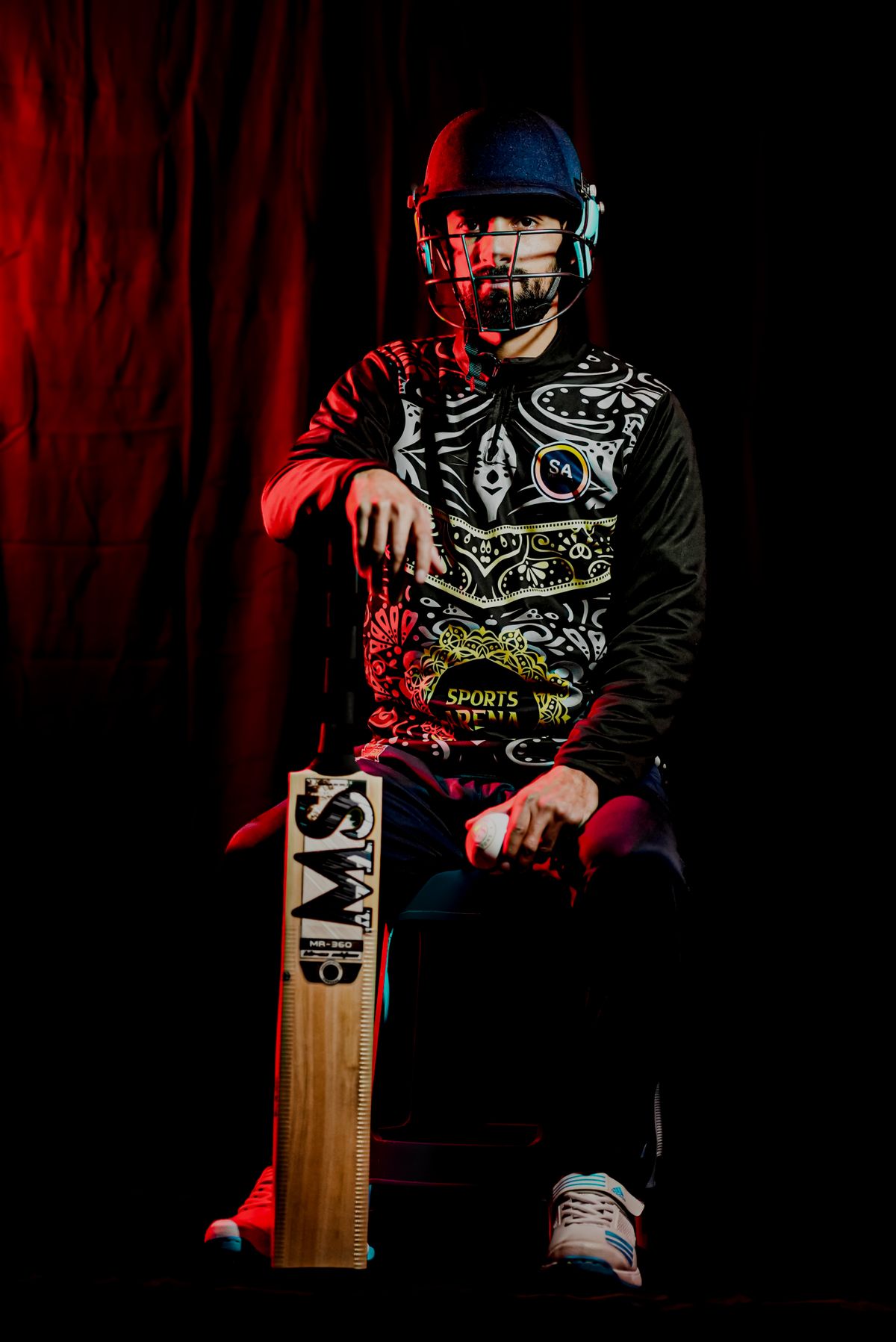
Handle shape changes how a cricket bat sits in the hands, but it does not make one bat objectively better. A round handle can feel easy to rotate and reposition; a more oval handle can give the bottom hand a clearer reference and may feel steadier through the swing; semi-oval handles sit between the two. Test the complete bat with your normal gloves, grip pressure and backlift. Judge comfort, alignment and pickup together, because grip thickness can make the same underlying handle feel very different.
Why handle shape matters
The handle is the part of a cricket bat you control directly. Small differences in its cross-section can change how clearly you feel the face, how readily the bat turns in your hands and how comfortable the bottom hand feels.
That does not mean a handle shape creates a particular shot or fixes a technical problem by itself. The complete feel also depends on:
- handle thickness and taper
- rubber grip pattern and thickness
- glove bulk
- bat weight and balance point
- blade profile and bow
- your hand size and grip pressure
Treat handle shape as one part of a fit decision, not a shortcut to choosing a bat.
The three common descriptions
Retail descriptions are not perfectly standardised. Two bats labelled “semi-oval” can still feel different. Use the label as a starting point, then test the actual bat.
| Handle description | Typical feel in the hands | Often suits players who prefer | Check before buying |
|---|---|---|---|
| Round | Similar curve around most of the circumference | Easy hand repositioning and a neutral feel | Whether the bat twists too readily when you relax your grip |
| Oval | More pronounced front-to-back shape with flatter sides | A clearer sense of face alignment and a fuller bottom-hand reference | Whether the lower handle feels too wide or restrictive |
| Semi-oval | A moderate oval profile | A balance between orientation and freedom to rotate | How much of the oval remains after the grip is fitted |
The terms describe the cross-section of the handle, not the blade face or toe.
What the Laws require
Cricket’s equipment rules define the bat as a blade and handle. ICC playing conditions state that the handle is made principally of cane and/or wood, while the upper part is a straight shaft for holding the bat. They also permit a suitable covering grip.
The rules do not prescribe a single oval or round cross-section for every player. That leaves room for makers to tune feel within the legal construction and size requirements.
For the formal wording, see the ICC’s playing conditions and equipment regulations and MCC’s overview of the Laws of Cricket.
Round handles
A round handle has a relatively even curve around its cross-section.
Players may like it because it:
- feels neutral when the hands move
- can make small grip adjustments feel natural
- does not strongly lock the bottom hand into one orientation
- may suit players who deliberately manipulate the face
The trade-off is that some players get less positional feedback. If the grip is very smooth, worn or thin, the bat may feel as if it can rotate before contact.
That is not automatically a fault. A player with relaxed hands and sound face control may enjoy the freedom. Another player may prefer more reference from the sides of the handle.
Oval handles
An oval handle is deeper front to back and flatter through the sides, especially towards the lower hand.
Players may like it because it:
- gives the fingers and palm a clearer reference
- can make face orientation easier to sense without looking
- may feel stable when the bottom hand closes around the handle
- can discourage excessive rotation for some grips
An oval handle can also feel bulky, particularly with thick gloves or a second grip. A player with smaller hands may compensate by squeezing harder, which defeats the point of choosing a comfortable shape.
Do not assume “more oval” means “more control.” Control comes from a handle that you can hold securely without tension.
Semi-oval handles
Semi-oval is the common middle ground. It retains some flatter-sided feedback while remaining less pronounced than a full oval.
Many current adult bats use this description. Manufacturer specifications show that it is a deliberate design choice rather than a universal default. For example, Chase explains how a cane handle is fitted into the blade during its bat-making process, while current bat specifications identify semi-oval handles alongside profile and pickup information.
The useful lesson is that the handle belongs to the whole design. Compare it with the bat’s pickup, blade length and balance—not in isolation.
Handle shape versus grip thickness
The rubber grip can mask or exaggerate the underlying handle.
A thick textured grip can make a modest oval feel much fuller. A thin grip may reveal the flats more clearly. Two grips can also change the circumference enough to affect comfort even when the handle beneath them is identical.
Before rejecting a bat solely because the handle feels slightly small or smooth, ask whether an appropriate grip change would solve the problem. Our cricket bat grip guide explains the trade-offs between thickness, texture and replacement.
Avoid stacking grips automatically. A second grip adds bulk and weight above the blade, and it can make the handle too large for the gloves you use.
How gloves change the test
Always test a bat with batting gloves.
Gloves change:
- effective hand size
- friction against the rubber
- finger closure
- pressure at the base of the thumb
- how clearly you feel the handle’s sides
A handle that feels perfect with bare hands can feel crowded once padded fingers wrap around it. Conversely, a slightly fuller handle may feel stable with a thin, flexible glove.
Use the gloves you normally play in, not a display pair that happens to be beside the bat.
A practical five-minute handle test
You do not need to hit a hard ball to learn a lot about handle fit.
1. Take your normal grip
Put on both gloves and hold the bat as you would at the crease. Do not squeeze harder to make the handle feel secure.
2. Check finger clearance
Your fingers should close comfortably without painful pressure or a sense that the handle is forcing the hand open.
3. Find the face without looking
Relax, reset your grip and raise the bat. Check whether you can sense where the face is. Repeat several times.
4. Move through controlled swings
Make slow straight-drive, defensive and horizontal-bat movements in a clear area. Notice unwanted rotation, pressure points and bottom-hand tension.
5. Recheck pickup
Handle comfort cannot rescue a bat that feels poorly balanced for you. Compare two or three bats of similar scale weight and note which one starts, stops and changes direction most comfortably.
Our bat weight, pickup and profile guide gives a repeatable comparison method.
Signs the handle may be too round for you
The shape may be a poor match if you consistently notice:
- the face turning when you relax your hands
- uncertainty about alignment during shadow swings
- excessive grip pressure to keep the bat stable
- the bottom hand sliding around the circumference
First confirm that the rubber grip is clean, correctly fitted and not worn smooth. A damaged grip can imitate a handle-shape problem.
Signs the handle may be too oval or too large
Look for:
- pressure at the thumb or first finger
- difficulty closing the gloved fingers comfortably
- forearm tension during gentle swings
- a bottom hand that feels locked rather than supported
- discomfort after only a few minutes
If the bat has two grips, test it with the intended final setup before deciding. Removing or changing a grip can materially alter the feel.
Junior players and growing hands
Junior bat fit should prioritise size, pickup and safe control before subtle handle preferences.
A young player should be able to:
- lift the bat into a balanced stance
- swing without the shoulders collapsing
- stop the bat under control
- close the gloved hands without strain
- repeat straight contact with a suitable training ball
Do not buy an oversized bat merely to obtain a thicker handle. Start with the correct length and manageable pickup using our cricket bat size guide, then adjust grip thickness modestly if needed.
Can you change a handle shape?
You can change how it feels more easily than you can change the handle itself.
Reasonable adjustments include:
- replacing a worn grip
- choosing a thicker or thinner grip
- selecting a different texture
- asking a qualified bat repairer to assess the handle
Do not sand, plane or reshape a cane handle at home. The handle is a structural component joined to the blade. Cracking, movement at the splice, unusual creaking or a visible bend needs professional assessment.
Buying online
When you cannot hold the exact bat, ask the retailer for:
- the stated handle shape
- grip type and number of grips fitted
- handle circumference or a comparison with another model
- bat weight and pickup description
- clear photos of the top and lower handle
- return conditions for an unused bat
Do not rely on “players handle” or “pro handle” without a measurable explanation. Those phrases are not a consistent size standard.
Buying checklist
Before choosing, confirm:
- correct bat length for the player
- manageable pickup in normal batting gloves
- comfortable finger closure
- face orientation feels repeatable
- no need for excessive grip pressure
- grip thickness is included in the assessment
- no cracking, movement or unusual noise at the handle or splice
- return and preparation conditions are understood
The bottom line
Round, oval and semi-oval handles are different ways of tuning feel. None is universally superior.
Choose the complete bat that lets you hold the handle securely, sense the face and swing without tension. Test with your gloves, separate handle feel from grip thickness, and compare pickup at the same time. If two bats perform equally in those checks, personal preference is a sound deciding factor.