Cricket Bat Grip Guide: Thickness, Texture and Replacement
Choose a cricket bat grip, understand single and double-grip trade-offs, and replace a worn grip without damaging the handle.
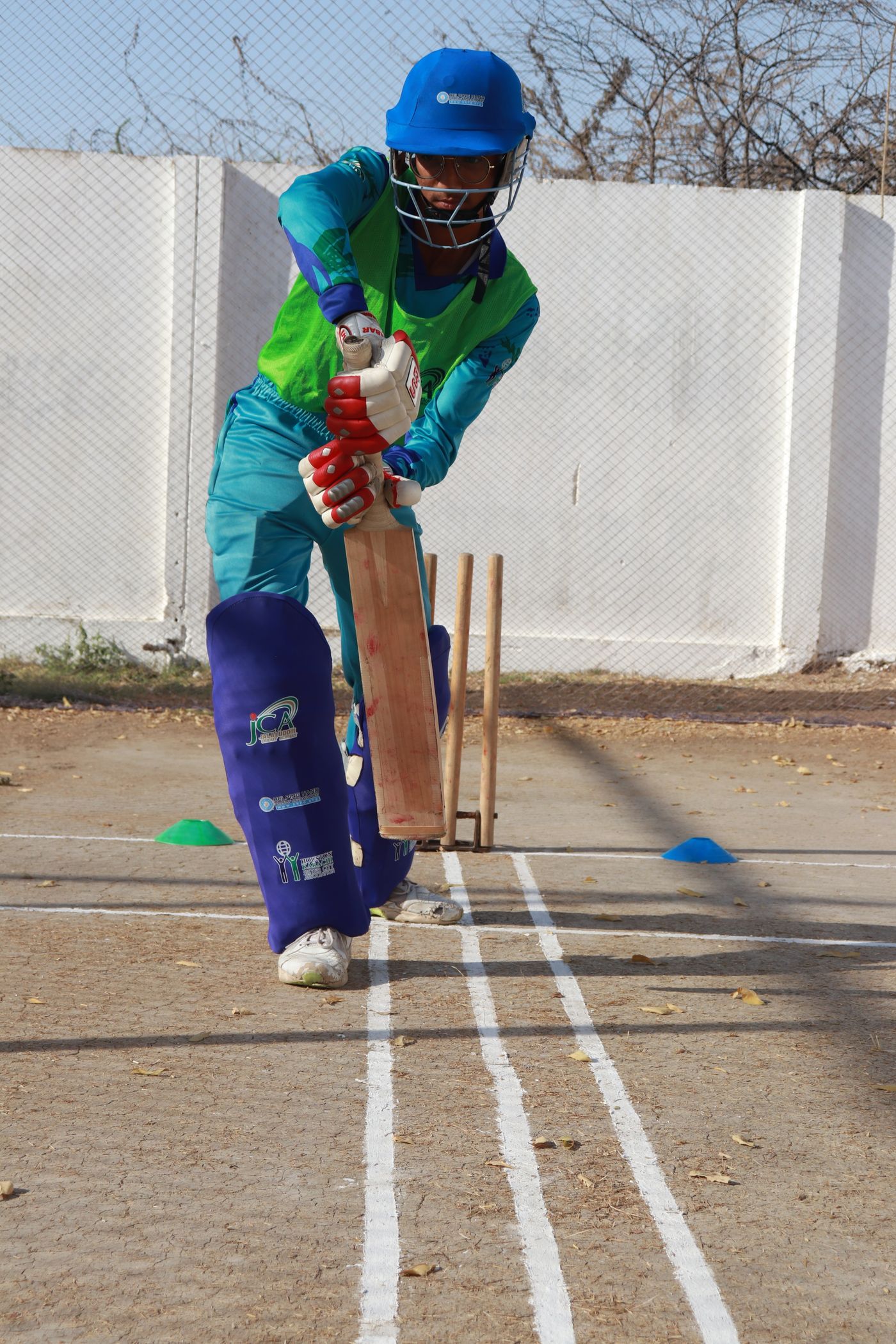
A cricket bat grip should let both hands close naturally without squeezing, slipping or changing the bat's pickup more than intended. Choose texture by feel rather than appearance, use one correctly fitted grip as the default, and add thickness only after testing control and handle size. Replace a grip when it twists, tears, hardens or loses traction. Use a proper applicator or a careful manufacturer-approved method, keep the grip straight, and never cut into the cane handle.
What the grip actually does
The grip is the player’s contact point with the bat. It adds traction, cushions vibration and builds the final handle diameter.
A grip that is too smooth can make the hands squeeze harder. A grip that is too thick can stop the fingers closing naturally. A grip that is twisted or stretched unevenly can create pressure ridges and change how the top and bottom hands work.
There is no universal “best” pattern. The best grip is the one that gives repeatable control with the player’s gloves, hand size and batting method.
Common grip patterns
| Pattern | Typical feel | Useful for | Watch for |
|---|---|---|---|
| Chevron | Directional ridges | Players wanting clear traction across the palms | Sharp ridges may feel aggressive through thin gloves |
| Scale or fish-scale | Overlapping textured sections | All-round traction and familiar traditional feel | Dirt can collect between deeper sections |
| Octopus or multi-dot | Many raised contact points | Soft, tacky feel with distributed pressure | Raised points can wear smooth in high-contact areas |
| Spiral | Continuous angled ridge | Players who like a defined wrap sensation | Uneven installation makes the spiral feel lopsided |
| Matrix or geometric | Mixed blocks and channels | Balanced grip across changing hand positions | Actual feel varies greatly by rubber compound |
| Smooth-tacky | Minimal ridge with surface tack | Players preferring less bulk under the gloves | Tack can fade as the surface wears or gets dirty |
Names are not standard across manufacturers. Two “chevron” grips can differ in weight, softness, ridge height and diameter.
Texture versus rubber compound
Pattern is only part of the feel. The rubber compound affects:
- softness under pressure
- stretch during installation
- tackiness when dry
- response to sweat
- durability
- weight
- how quickly the surface hardens
A soft grip can feel comfortable but may twist if stretched badly. A firmer grip may last longer but transmit more vibration. Test with batting gloves; bare-hand feel is not the whole answer.
How thick should a cricket bat grip be?
Start with one correctly fitted grip. The fingers should close naturally around the handle without the tips being forced away from the palm or digging uncomfortably into it.
A thicker handle may help a player who feels the bat turning in the hands, but excess thickness can:
- reduce wrist freedom
- make the bottom hand dominate
- increase hand fatigue
- change the perceived pickup
- make gloves feel cramped
- encourage the hands to separate
A thinner handle may allow easier wrist movement, but a player may over-squeeze it or feel more vibration.
Handle diameter is a fit choice, not a status choice. Junior players in particular should not be given an oversized handle just because adults use one.
Single grip or double grip?
A second grip increases diameter and adds some mass near the hands.
Possible reasons to trial a double grip:
- the factory handle feels clearly too small
- the player has large hands and cannot settle the bat
- extra damping is preferred
- a coach is testing whether a larger diameter improves control
Trade-offs:
- the handle becomes heavier
- pickup may feel different
- the lower grip can bunch or move
- the player’s fingers may not close comfortably
- the knob and shoulder transition can become bulky
Do not add a second grip merely to make a bat “pick up lighter”. Adding mass near the handle may change balance perception, but it does not reduce the bat’s actual weight. Test the result through normal shots and running with gloves on.
Grip cones, half-grips and build-up sleeves also alter the shape. Use them only when they are compatible with the handle and fitted evenly.
Measure the fit with batting gloves
Use a practical hand test:
- Put on the batting gloves used in matches.
- Hold the bat in the normal stance.
- Close the top hand without squeezing.
- Check that the fingers wrap securely and the palm is not forced open.
- Repeat with the bottom hand.
- Make ten shadow swings.
- Play controlled defensive and driving movements.
- Check for twisting, pressure points and forearm tension.
Signs the grip is too thick:
- fingers cannot close naturally
- forearms fatigue quickly
- wrists feel blocked
- the bottom hand loses fine control
- gloves bunch against the handle
Signs it may be too thin:
- the bat rotates on light contact
- the player squeezes excessively
- finger joints or palm feel overloaded
- the handle feels lost inside larger gloves
Technique, glove fit and a damaged handle can create similar symptoms. Do not assume every control problem is solved by changing the grip.
When to replace a grip
Replace the grip when:
- it twists during normal use
- splits or holes expose the underlayer
- the surface has hardened or become glossy
- traction is gone in the main hand positions
- the grip creeps down the handle
- deep ridges have flattened unevenly
- rubber leaves residue on the gloves
- the player has changed hand size, gloves or grip preference
- inspection is needed after a handle repair
A dirty grip is not automatically worn out. Clean it only by the product’s approved method and dry it completely. Solvents and harsh chemicals can damage rubber and adhesives.
What you need to replace a grip
Preferred equipment:
- a proper cricket-bat grip applicator cone or fitting tool
- the new compatible grip
- a clean cloth
- blunt-ended scissors only if trimming is genuinely required
- a stable, clear work area
Some players use compressed air or improvised methods. Those can introduce safety and damage risks and should be left to an experienced technician using suitable equipment.
Never use a knife against the cane handle. One slip can cut binding, rubber inserts or the handle itself.
Removing the old grip
- Place the bat on a stable surface.
- Roll the old grip down from the top, keeping tools away from the handle.
- If it is torn, peel or cut only the rubber while it is lifted safely away from the handle.
- Remove loose fragments.
- Inspect the binding, handle and knob.
- Stop if cane, binding or internal material is exposed or damaged.
Do not sand or reshape the handle during a routine grip change. Handle repair is specialist work.
Installing a new grip with a cone
Follow the applicator’s instructions. A common manual sequence is:
- Roll the new grip into a compact ring with the intended outside surface facing correctly.
- Place it on the fitting cone.
- Seat the bat handle squarely against the cone.
- Roll the grip from the cone onto the handle.
- Continue evenly towards the shoulders.
- Unroll without twisting.
- Align any directional ridges.
- Smooth the grip and remove bunching.
- Check the top around the knob.
- Test with gloves before deciding whether trimming is needed.
Do not stretch one side more than the other. Uneven stretch changes thickness and can make the pattern spiral.
Some grips have a deliberate orientation. Check the maker’s diagram before fitting.
Position at the top and shoulders
At the top, the grip should sit securely around the handle knob without leaving a loose lip that catches the glove.
At the lower end, it should finish neatly above the bat shoulders. Material bunched against the splice can interfere with the bottom hand and hide the area you should inspect.
Do not force a short grip to cover extra distance by extreme stretching. Use the correct product.
How a grip changes pickup
Grip weight is added close to the hands, so it can change balance perception differently from the same weight added to the blade. A second heavy grip or thick build-up can make the bat feel different even though the blade has not changed.
Test:
- normal stance
- straight drive
- back-foot punch
- pull-shot movement
- leave
- running with the bat
- one-handed top-hand control drill
If the new setup improves one shot but makes the bat harder to control elsewhere, reconsider the diameter or grip weight.
Junior players and growing hands
For juniors:
- fit the current hand, not a future hand
- test with the actual junior gloves
- avoid thick double-grip setups unless there is a clear reason
- recheck after a growth spurt or glove-size change
- ask the player about fatigue, not only comfort
- watch whether the bottom hand takes over
A young batter should be able to hold the bat safely without excessive forearm tension. The junior equipment checklist covers the rest of the fit system.
Grip care
After use:
- Remove the bat from a damp kit bag.
- Wipe surface dirt with a clean cloth.
- Use only a cleaning method approved for that grip.
- Air-dry at room temperature.
- Keep the bat away from heaters and strong sun.
- Store it so the grip is not crushed under heavy equipment.
Do not apply oils, solvents or sticky household products to restore tack. They can transfer to gloves, change the rubber and attract grit.
Troubleshooting
The grip keeps twisting
Check whether it was stretched unevenly, installed over another loose grip or fitted to a contaminated underlayer. If the handle itself moves or feels damaged, stop and seek repair advice.
The top rolls down
The grip may not be fully seated around the knob, may be overstretched or may be the wrong length. Refit rather than taping over a poor installation.
My gloves slip only when wet
Dry the gloves and grip properly first. Check that glove palms are not worn smooth. A grip change cannot compensate for saturated or damaged gloves.
The bat vibrates after a grip change
Confirm the handle is sound and that the new grip is not much thinner than the previous setup. Persistent or new vibration can indicate a handle or splice issue and deserves inspection.
The bat now feels bottom-heavy
A lighter or thinner grip can change balance perception. Compare with the previous setup and test before adding random counterweight.
Buying checklist
- Current handle diameter assessed
- Match gloves used for the fit test
- Texture comfortable under both hands
- Rubber softness and tack appropriate
- Grip length suits the handle
- Directional pattern understood
- Weight change considered
- Single grip tested before adding a second
- Proper fitting tool available
- Old grip removed without damaging binding
- Full movement test completed after fitting
Match-day check
- Grip dry and clean
- No twisting or downward movement
- No holes, splits or exposed underlayer
- Top secure around the knob
- Lower edge not bunched
- Both hands close comfortably in gloves
- Bat does not rotate during controlled swings
- Spare grip and fitting support available when travelling
Sources and update notes
- Gray-Nicolls: cricket bat care guidance — current manufacturer advice on inspection, storage and avoiding damaging conditions.
- Gunn & Moore bat care information — manufacturer guidance on looking after a willow bat and seeking specialist repair advice.
- MCC Laws of Cricket: The Bat — current law defining the bat and permitted handle construction.
Grip designs and installation systems vary. Follow the instructions supplied with the exact grip and fitting tool, and use a qualified repairer when the handle or binding is damaged.