Pakistan Beat Sri Lanka by Eight Wickets to Seal 1-0 Test Series
Pakistan completed a 90-run chase on day four in Rawalpindi after Mohammad Abbas led the attack, defeating Sri Lanka by eight wickets and winning the series 1-0.
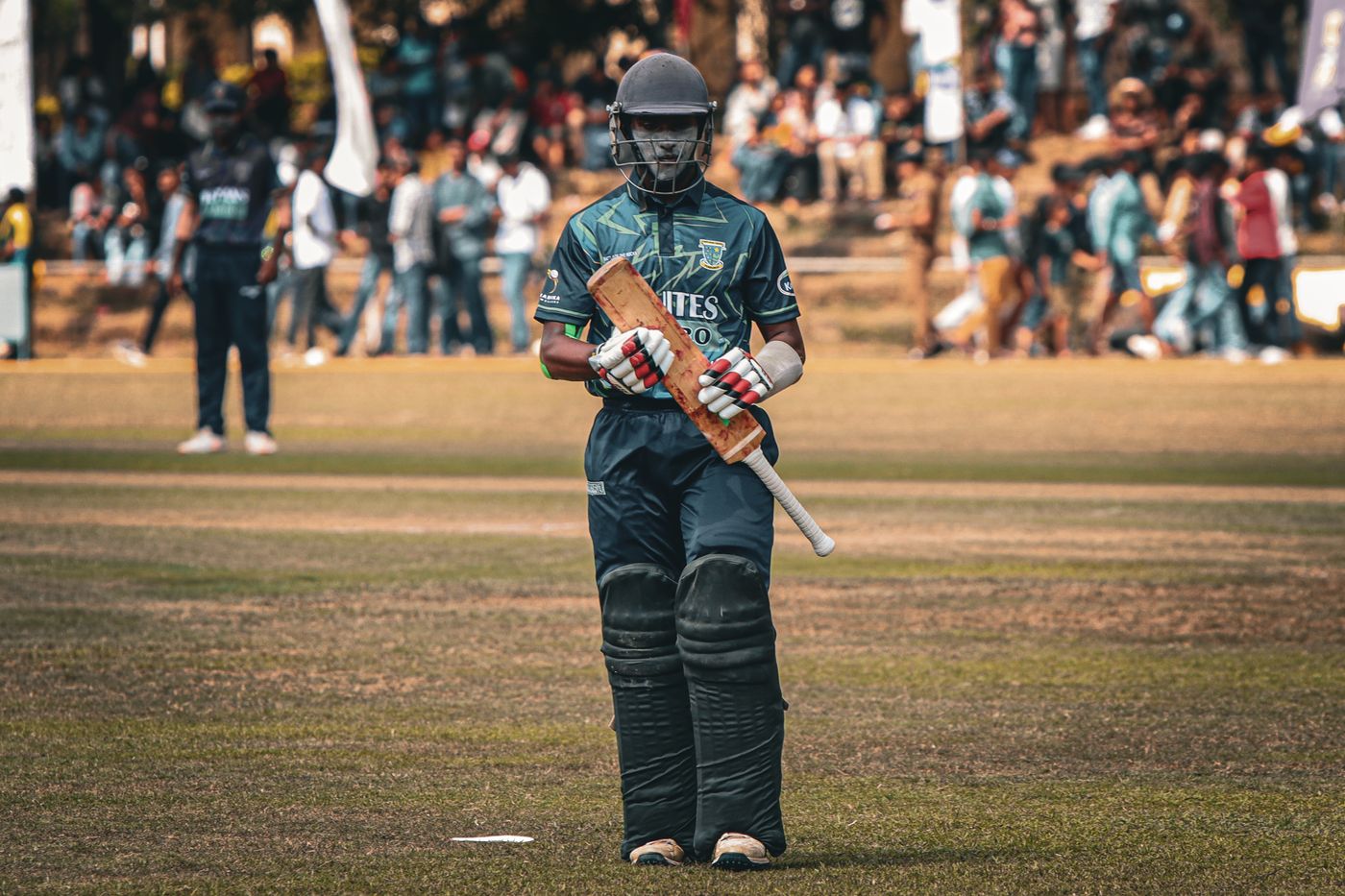
Pakistan beat Sri Lanka by eight wickets in the second Test at Rawalpindi on 20 November 2026 and won the two-match series 1-0. Sri Lanka made 98 and 316; Pakistan replied with 325 and reached 90 for 2 in 13 overs. Mohammad Abbas took 3 for 14 and 3 for 55 and was named both player of the match and player of the series. Aamir Jamal finished the chase unbeaten on 34 from 22 balls alongside Azan Awais, 32 not out.
Pakistan secured their first Test series win of the 2025–27 World Test Championship cycle by beating Sri Lanka by eight wickets in Rawalpindi on 20 November 2026.
The decisive advantage was created much earlier than the final 13-over chase. Pakistan dismissed Sri Lanka for 98, built a 227-run first-innings lead and then withstood a much stronger second innings before closing out a target of 90.
Mohammad Abbas took three wickets in each innings and was named player of the match and player of the series. The first Test at the same venue was drawn, so Pakistan won the two-match series 1-0.
Match summary
| Detail | Outcome |
|---|---|
| Match | Pakistan v Sri Lanka, 2nd Test |
| Dates | 17–20 November 2026 |
| Venue | Rawalpindi Cricket Stadium |
| Toss | Pakistan chose to field |
| Sri Lanka | 98 and 316 |
| Pakistan | 325 and 90/2 |
| Result | Pakistan won by eight wickets |
| Series | Pakistan won 1-0 |
| Player of the match | Mohammad Abbas |
| Player of the series | Mohammad Abbas |
The score and awards are confirmed by the official PCB scorecard and the ICC match report.
Sri Lanka’s first innings decided the shape of the Test
Sri Lanka were dismissed for 98 in 35.3 overs. Kusal Mendis made 32, but no other batter reached 25.
Pakistan did not rely on one bowler. Abbas took 3 for 14, Razaullah 3 for 21 and Aamir Jamal 3 for 24. That distribution mattered: Sri Lanka could not wait out a single threatening spell and target a weaker change bowler.
The innings never established a recovery point. Five wickets were down for 36, and a brief stand involving Mendis could only lift the total towards three figures.
On a Test pitch, 98 usually forces the batting side to play almost perfectly for the remaining three innings. Sri Lanka later produced the match’s highest team score, but the first-innings deficit remained too large.
Pakistan build a 227-run lead
Pakistan made 325 from 87.5 overs. The innings was built through depth rather than a century.
Ghazi Ghori top-scored with 54. Azan Awais made 47, Tayyab Arif 46 and Razaullah 42. Those four contributions kept the scoreboard moving even as Sri Lanka’s seamers created chances.
Lahiru Kumara was Sri Lanka’s outstanding bowler with 5 for 95. Asitha Fernando took 3 for 88. Their eight wickets ensured Pakistan did not move beyond reach, but a lead of 227 was already commanding.
Pakistan’s batting was not flawless. It was resilient enough. Several medium-sized innings achieved what Sri Lanka’s first innings lacked: partnerships and repeated pressure on tired bowlers.
Sri Lanka’s second-innings response
Sri Lanka were far more competitive in their second innings, reaching 316.
Milan Rathnayaka finished unbeaten on 66 from 88 balls, with 12 fours. Sonal Dinusha made 54 and Kusal Mendis 53. Those contributions forced Pakistan to bat again and showed that the surface was not impossible for batting.
Sri Lanka resumed day four at 309 for 9. Abbas dismissed Asitha Fernando to end the innings at 316, completing figures of 3 for 55.
Aamir Jamal also took three wickets, for 67, while Razaullah added two. Pakistan therefore had six different three-wicket returns across Sri Lanka’s two innings: three bowlers in the first and two in the second, with Abbas appearing in both lists.
The resistance was significant, but it also underlined the cost of the 98. Even after scoring 218 more runs in the second innings than the first, Sri Lanka could set only 90.
The chase lasts 13 overs
Pakistan reached 90 for 2 in 13 overs.
Mohammad Taha fell for four and Tayyab Arif for 13, giving Sri Lanka two early openings. Azan Awais and Aamir Jamal then removed any remaining tension.
Jamal made 34 not out from 22 balls, striking five fours and a six. Azan finished unbeaten on 32 from 36 balls with five fours. Their tempo ensured the target never became a fourth-innings examination.
The chase was not reckless. With only 90 required and a 1-0 series result available, Pakistan attacked deliveries in their areas and prevented Sri Lanka from creating sustained pressure.
Why Abbas was the series figurehead
Abbas’ match figures of 6 for 69 do not tell the entire story. His first-innings 3 for 14 helped make Sri Lanka’s 98 possible. His final wicket on day four closed a partnership that could otherwise have pushed the target into a less comfortable range.
The official awards named him player of both the match and series. That combination reflects consistency as well as one decisive spell.
For Pakistan, the value was control. Abbas conceded 69 runs across his six wickets in the Test, allowing the attack to maintain pressure while Jamal and Razaullah attacked from the other end.
Sri Lanka’s positives and problems
Sri Lanka can take clear positives from the second innings:
- Rathnayaka carried the lower order to 316
- Dinusha and Mendis reached fifties
- Kumara took five wickets
- Fernando supported him with three
But the match was lost in the first innings. A team cannot usually concede a lead of 227 and recover through one better batting performance.
The immediate review should separate conditions from decision-making. Pakistan bowled well, but 98 also contained a series of innings that never developed beyond a start. Sri Lanka’s second innings demonstrated that occupation and partnerships were possible.
What Pakistan did better
Shared the bowling load
Pakistan’s first-innings wickets were divided almost evenly between Abbas, Razaullah and Jamal. Sri Lanka could not settle when the attack changed.
Turned starts into a team total
No Pakistan batter reached 60, yet four passed 40. That was enough to create a match-winning lead.
Kept taking wickets during the resistance
Sri Lanka’s second innings lasted 95 overs, but Pakistan avoided a single partnership large enough to erase the deficit and build a demanding target.
Finished quickly
At 17 for 2, a nervous chase was possible. Jamal and Azan instead scored the remaining runs at a rate that denied Sri Lanka time to build pressure.
Scorecard leaders
Pakistan batting
| Batter | First innings | Second innings |
|---|---|---|
| Ghazi Ghori | 54 | — |
| Azan Awais | 47 | 32* |
| Tayyab Arif | 46 | 13 |
| Razaullah | 42 | — |
| Aamir Jamal | 17 | 34* |
Sri Lanka batting
| Batter | First innings | Second innings |
|---|---|---|
| Milan Rathnayaka | 0 | 66* |
| Sonal Dinusha | 21 | 54 |
| Kusal Mendis | 32 | 53 |
Key bowling returns
| Bowler | Figures |
|---|---|
| Mohammad Abbas | 3/14 and 3/55 |
| Aamir Jamal | 3/24 and 3/67 |
| Razaullah | 3/21 and 2/110 |
| Lahiru Kumara | 5/95 |
| Asitha Fernando | 3/88 |
Series significance
The opening Test was drawn, so the Rawalpindi win delivered the series 1-0. According to the ICC, it was Pakistan’s first Test series victory in more than two years and their first series win of the current WTC cycle.
Those points matter, but the method may matter just as much. Pakistan won without a century and without one bowler taking a five-wicket haul. The result came from a deep first-innings batting effort and an attack that created wickets across several spells.
Sri Lanka leave with evidence that they can compete in the conditions, particularly from the second innings and Kumara’s five wickets. The challenge is producing that standard before the match position becomes unrecoverable.
Verified sources
- ICC: Pakistan secure WTC27 series win over Sri Lanka
- Pakistan Cricket Board: official second Test scorecard
- Pakistan Cricket Board: match report and scores in brief
Image: existing CricketWise editorial asset. No commercial referral links have been added to this match report.