India vs New Zealand Test Series 2026: Live Hub, Scores and Analysis
The India tour of New Zealand 2026 Test-series hub: official results, verified scorecards, key performances, turning points and what happens next.
The first India–New Zealand Test at the Basin Reserve finished in a draw. New Zealand made 368, India replied with 720 for 9 declared, and the hosts batted 120 overs in their second innings to reach 239 for 5. Daryl Mitchell was 49 not out and Glenn Phillips 26 not out when the match ended. Henry Nicholls, who made 175 not out in New Zealand's first innings, was Player of the Match. Both teams took four World Test Championship points; the second Test starts in Christchurch on 27 November.
Latest verified update: first Test drawn on 23 November 2026. Series level 0–0.
New Zealand survived the final day at the Basin Reserve to draw a Test India had dominated with the bat. The hosts finished on 239 for 5 after 120 overs in their second innings, 113 runs short of making India bat again but with five wickets intact.
Daryl Mitchell was unbeaten on 49 from 186 balls and Glenn Phillips on 26 from 126. Their sixth-wicket stand lasted 43 overs and carried New Zealand from 176 for 5 to the draw.
India’s 720 for 9 declared remains the central performance of the match: six batters made at least 78, KL Rahul scored 136 and Rishabh Pant 128. Yet New Zealand produced two long rescue acts. Henry Nicholls and Phillips added 216 for the sixth wicket in the first innings, then Mitchell and Phillips absorbed the final-session pressure.
This is CricketWise’s canonical hub for the two-Test series. It complements, rather than duplicates, the complete India–New Zealand ODI series review.
First Test result
| Match | Venue and dates | Result | WTC points |
|---|---|---|---|
| 1st Test | Basin Reserve, Wellington, 19–23 Nov | Drawn | New Zealand 4, India 4 |
Full innings summary
| Innings | Score | Leading contributions |
|---|---|---|
| New Zealand, first innings | 368 all out | Henry Nicholls 175*, Glenn Phillips 118; Jasprit Bumrah 4/92, Akash Deep 3/53 |
| India, first innings | 720/9 declared | KL Rahul 136, Rishabh Pant 128, Shubman Gill 98, Yashasvi Jaiswal 85, Devdutt Padikkal 80, Dhruv Jurel 78 |
| New Zealand, second innings | 239/5 | Devon Conway 65, Daryl Mitchell 49*, Rachin Ravindra 37, Henry Nicholls 31, Glenn Phillips 26* |
Player of the Match: Henry Nicholls.
How the match unfolded
New Zealand recover from 70 for 5
India chose to field and controlled the first morning. New Zealand fell to 70 for 5 before Nicholls and Phillips rebuilt the innings.
Their 216-run sixth-wicket partnership changed the shape of the match. Nicholls batted through the innings for 175 not out from 335 balls. Phillips made 118 from 216, his highest Test score at the time, before Akash Deep ended the stand.
India still took the final five wickets for 82 runs. Bumrah finished with 4 for 92, Akash Deep 3 for 53 and Anshul Kamboj 2 for 69. New Zealand’s 368 was a major recovery, but the early damage left them dependent on two batters.
India respond with six major scores
India did not build 720 around a single innings. Jaiswal made 85, Rahul 136, Padikkal 80, Gill 98, Pant 128 and Jurel 78. Even Kamboj contributed 38.
The sequence mattered. New Zealand never found the cluster of wickets that could have turned one dismissal into a collapse. The opening partnership reached 130, the second wicket added 165, and the middle order kept extending the advantage.
Rahul supplied the long central innings. He faced 290 balls and held the reply together across days two and three. Pant then changed the tempo, hitting six sixes in 153 balls. India’s final acceleration created time to attack twice.
New Zealand’s spinners carried the heaviest wicket load. Phillips took 3 for 154 and Ravindra 2 for 44, while the four frontline seamers combined for four wickets across 126 overs.
The declaration leaves a 352-run deficit
India declared at 720 for 9 after 166 overs, a lead of 352. The ICC reported it as the highest Test total recorded in New Zealand.
The declaration was aggressive without being reckless. India had already secured the scoreboard position; Pant, Jurel and the lower order converted it into time.
New Zealand then lost captain Tom Latham to the second ball of the innings. Nicholls made 31, Conway 65 and Ravindra 37, carrying the hosts to 119 for 2 at the end of day four.
Final-day resistance
India began day five needing eight wickets. They took three.
Washington Sundar dismissed Conway for 65 through a bat-pad catch. Prasidh Krishna removed Ravindra for 37, and Kamboj found Tom Blundell’s edge for 15.
At 176 for 5, India still had a route to victory. Mitchell and Phillips closed it.
Their partnership was built around time rather than a chase. Mitchell faced 186 deliveries for 49; Phillips 126 for 26. Together they batted 43 overs. New Zealand reached 206 for 5 at tea and 239 for 5 when the draw was called.
The official scorecard records 120 second-innings overs. India needed five more wickets but could not find enough movement or deterioration in the Basin Reserve surface.
Five decisive moments
1. Nicholls and Phillips rescue 70 for 5
Without the 216-run stand, New Zealand could have been dismissed cheaply enough for India to control both the scoreboard and the clock. It gave the hosts a first-innings total large enough to consume 121 overs.
2. Rahul bats through the long middle phase
Rahul’s 136 was the innings that made India’s dominance stable. It allowed other batters to play around him and prevented New Zealand from rebuilding pressure between partnerships.
3. Pant turns runs into time
Pant’s 128 increased the scoring rate when India already had control. His six sixes helped bring the declaration forward and gave the bowlers more than a day to chase the result.
4. Conway and Ravindra reach stumps on day four
Their partnership ensured India did not begin the final day with New Zealand’s middle order exposed. Conway then continued past fifty, making India spend most of the first session breaking through.
5. Mitchell and Phillips bat 43 overs
This was the result-defining stand. They did not erase the deficit, but they protected the five remaining wickets and consumed the only resource India could not recover: time.
Standout players
Henry Nicholls
Nicholls’ 175 not out was both the highest score of the match and the reason New Zealand recovered from 70 for 5. He was named Player of the Match. His second-innings 31 also helped Conway add 60 for the second wicket.
Glenn Phillips
Phillips made 118 in the first innings, took three wickets during India’s 720 and returned to bat 126 balls for an unbeaten 26. No other player contributed so substantially in all three disciplines.
KL Rahul
Rahul’s 136 from 290 balls gave India control without exposing the middle order early. His patience was the platform for Gill, Pant and Jurel to expand the lead.
Rishabh Pant
Pant made 128 from 153 balls, including six sixes. His innings altered the match clock and helped India declare with enough time to threaten victory.
Jasprit Bumrah and Akash Deep
They took seven of New Zealand’s ten first-innings wickets. Bumrah’s 4 for 92 led the attack; Akash Deep’s 3 for 53 included Phillips, Jamieson and Ravindra.
Daryl Mitchell
Mitchell’s unbeaten 49 was worth more than the number suggests. He faced 186 balls across nearly five hours and anchored the stand that completed the draw.
What the draw tells us
India have batting depth, but no margin for a flat fifth day
Six major scores across the order is a strong series signal. India can build pressure even if one batter misses out. The unresolved issue is conversion with the ball when the surface offers little late assistance.
India’s four fast bowlers had already carried heavy workloads across New Zealand’s two innings. Captain Shubman Gill said after the match that the attack had tried its available plans. Christchurch conditions and recovery will shape whether India alter the balance of the XI.
New Zealand’s middle order can absorb extreme pressure
The hosts spent most of the match behind. Their draw came from two different rescue partnerships: an attacking first-innings rebuild and a defensive final-day stand.
Nicholls and Phillips showed that New Zealand could recover on the scoreboard. Mitchell and Phillips showed that they could change tempo and play for time. That adaptability is the clearest positive before the second Test.
The top order remains a concern
Latham made a pair, and New Zealand were 70 for 5 in the first innings. The rescue acts should not conceal how much pressure the early wickets created. A stronger start in Christchurch would reduce the need for another exceptional lower-middle-order response.
Series schedule and status
| Match | Dates | Venue | Status |
|---|---|---|---|
| 1st Test | 19–23 Nov 2026 | Basin Reserve, Wellington | Drawn |
| 2nd Test | From 27 Nov 2026 | Hagley Oval, Christchurch | Upcoming |
The series is level at 0–0. Both teams received four World Test Championship points from the draw.
What happens next
The second Test begins at Hagley Oval on 27 November, according to the ICC’s official first-Test report.
Key selection and tactical questions include:
- whether India retain the same bowling balance after a heavy workload
- how much assistance the Christchurch surface offers the seamers
- whether New Zealand change the top order or back the same group
- how the hosts manage Phillips after his batting and bowling workload
- whether India can reproduce their batting depth in conditions that may be less forgiving
The short turnaround makes recovery important, but neither team starts the second Test with a series lead. India leave Wellington with the stronger statistical performance; New Zealand leave with the result they needed after being 352 runs behind.
Editorial assessment
India controlled more of the Test and produced its largest performance, but New Zealand earned the draw rather than receiving it. Survival required 120 second-innings overs and two long final-day partnerships.
The result also shows why a record total is not the same as a completed win. India’s declaration created enough time for a serious push, but the pitch, disciplined defence and the Mitchell–Phillips stand prevented the last five wickets.
For the series, the most transferable evidence is not the 720 itself. It is India’s six-deep batting contribution and New Zealand’s ability to reorganise under pressure. Christchurch will test whether those strengths survive a new surface and another new ball.
This hub will be updated after each completed, verified state of the second Test. CricketWise will not call results from projections or incomplete sessions.
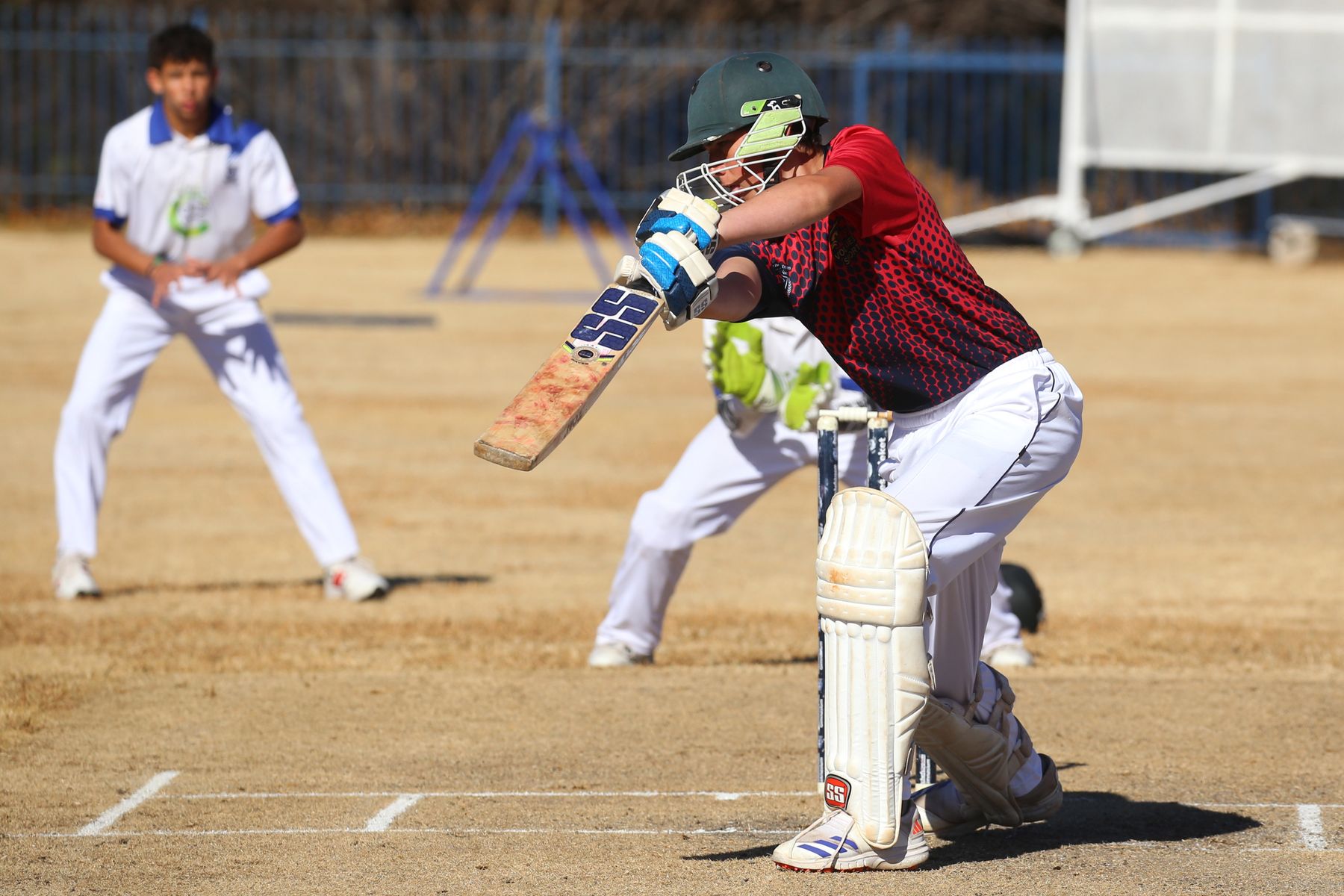
Photo: Patrick Case via Pexels (free-use Pexels licence). The image is illustrative and is not presented as a photograph of this Test.