England Beat Australia by 97 Runs to Win 2026 ODI Series
Ben Duckett's 133 and Sonny Baker's 4 for 45 drove England to a 97-run win over Australia in Hobart and a 2-1 ODI series victory.
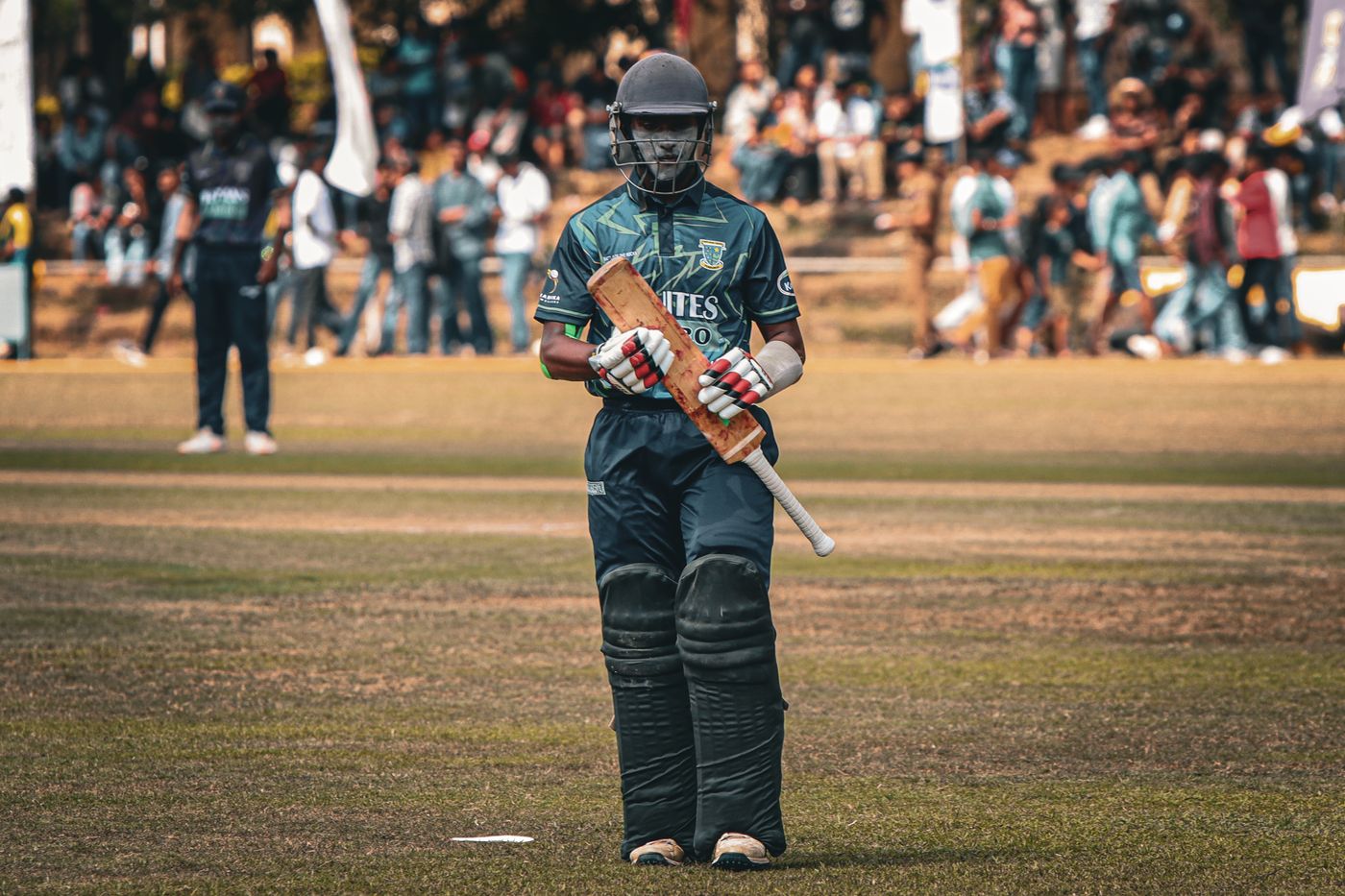
England beat Australia by 97 runs in the third ODI at Hobart on 18 November 2026 to win the three-match series 2-1. Ben Duckett made 133 from 115 balls and Will Jacks added 59 as England scored 328 in 48.3 overs. Australia slipped to 5 for 115 and were dismissed for 231 in 46.5 overs; Sonny Baker took 4 for 45.
England completed a 2-1 ODI series win in Australia with their most convincing performance of the three matches, beating the hosts by 97 runs in Hobart on 18 November 2026.
Ben Duckett’s 133 gave England the base for 328, while Will Jacks supplied late acceleration with 59. Australia then lost both openers inside two overs and never recovered the stability required for a chase of 329. They were bowled out for 231 in 46.5 overs, with Sonny Baker taking 4 for 45.
The official ECB match centre confirms the result and totals. The score details below are cross-checked against the completed match scorecard and independent ABC reporting.
Match summary
| Detail | Outcome |
|---|---|
| Match | Australia v England, 3rd ODI |
| Date | 18 November 2026 |
| Venue | Bellerive Oval, Hobart |
| Toss | England chose to bat |
| England | 328 all out, 48.3 overs |
| Australia | 231 all out, 46.5 overs |
| Result | England won by 97 runs |
| Series | England won 2-1 |
Duckett controls the innings
England’s total was shaped by one long innings and one important late partnership. Duckett made 133 from 115 balls, striking 15 fours and three sixes. He did not simply attack throughout; his value was in staying through the middle overs while wickets interrupted the innings.
Tom Banton provided the quickest start with 44 from 35 balls. England were moving freely before Matt Renshaw’s part-time spin slowed them. Renshaw bowled Joe Root for 12, had Jordan Cox stumped for 12 and eventually removed Duckett, finishing with 3 for 51.
Harry Brook made 17 and Cox 12, so England still needed a second substantial contribution. Jacks delivered it. His 59 from 48 balls, with four fours and a six, lifted the innings from a good platform towards a match-defining total.
England were dismissed in 48.3 overs rather than batting the full 50, but the scoring rate had already done the damage. The final total required Australia to score at more than six and a half runs per over from the start.
Australia’s new-ball collapse
The chase was damaged almost immediately. Travis Head fell for four and captain Mitchell Marsh for one, leaving Australia without either opener inside the first two overs.
Renshaw moved to number three and responded with 55, the hosts’ highest score. His innings prevented an instant collapse, but England kept finding wickets around him. Alex Carey made 37, yet his run-out left Australia 5 for 115 in the 27th over.
At that stage the required rate was climbing, half the side was out and no established batter had taken control of the chase. Cooper Connolly’s 29 offered resistance lower down, but the innings had become a matter of reducing the margin rather than threatening England’s total.
Baker turns pressure into wickets
Baker was England’s leading wicket-taker with 4 for 45. His spell mattered because Australia could not build a long partnership after the early damage. Liam Dawson also removed key middle-order resistance, including Renshaw and Connolly.
The bowlers had room to attack because England’s batting total was so strong. They did not need to defend every boundary; they needed to keep taking wickets and prevent one Australian batter from batting through the chase.
Australia’s 231 came from 46.5 overs. The 97-run margin accurately reflected a match England controlled from Duckett’s middle-overs occupation through to Baker’s closing spell.
Cameron Green leaves the field
Australia’s chase included a concerning incident when Cameron Green was struck by a Gus Atkinson bouncer and left the field. ABC reported that Green was substituted out after the blow.
This article does not speculate on diagnosis or recovery. Player welfare and any return-to-play decision belong with Australia’s medical team and official updates.
The three-match series
Australia won the opening ODI in Perth, but England levelled the series in the second match and then produced the largest victory of the tour in the decider.
The progression is important. England did not sneak the series through two narrow finishes. By Hobart they had found a clear batting method: score aggressively in the powerplay, retain one top-order batter deep into the innings, and leave enough hitting for Jacks and the lower order.
Australia’s decider showed the opposite problem. Once Head and Marsh were gone, the chase relied on several medium-sized contributions rather than one player commanding the innings. Renshaw’s 55 was useful, but a target of 329 normally demands a century or multiple major partnerships.
What England did better
One batter owned the innings
Duckett faced 115 balls. That time at the crease allowed England to absorb Renshaw’s wickets and still attack later. Australia had no equivalent innings.
Jacks converted the platform
A hundred can be wasted if the last 15 overs stall. Jacks ensured that did not happen. His 59 kept the projected total rising even after Duckett departed.
Early wickets changed the chase
Removing Head and Marsh meant Australia had to rebuild while the required rate was already high. England could set attacking fields and rotate bowlers with scoreboard pressure on their side.
The attack kept interrupting partnerships
Renshaw and Carey both started, but neither stayed long enough. Baker’s four wickets converted pressure into a decisive result rather than allowing a late counterattack.
What Australia will review
Australia’s bowling did create opportunities. Renshaw’s 3 for 51 broke the middle order, and England were all out with nine balls unused. The issue was that the breakthrough spells did not prevent Duckett from making a century or Jacks from adding a rapid fifty.
With the bat, the first two overs set an almost impossible task for the middle order. A chase of 329 allows some risk, but it still needs one top-three batter to establish the innings. The hosts’ highest score of 55 was not enough.
The series also leaves Australia with questions about ODI combinations before the next major tournament cycle. One defeat should not settle selection arguments, but a home series loss and a 97-run decider create clear evidence to examine.
Scorecard leaders
England batting
| Batter | Runs | Balls |
|---|---|---|
| Ben Duckett | 133 | 115 |
| Will Jacks | 59 | 48 |
| Tom Banton | 44 | 35 |
Australia batting
| Batter | Runs |
|---|---|
| Matt Renshaw | 55 |
| Alex Carey | 37 |
| Cooper Connolly | 29 |
Key bowling returns
| Bowler | Figures |
|---|---|
| Sonny Baker | 4/45 |
| Matt Renshaw | 3/51 |
Why the result matters
Winning an ODI series in Australia remains a substantial achievement. England recovered after losing the opener, handled the pressure of a deciding match and produced the series’ clearest all-round performance when it mattered most.
For Duckett, the 133 was more than a personal milestone. It was the innings that gave every other part of England’s plan room to work. For Baker, four wickets in a series decider provided the finish.
Australia will see chances they failed to take—England were bowled out, and the chase still had almost 20 balls unused—but the gap between the teams was not a technicality. England made the only century, built the only 300-plus total and took wickets early enough to control the second innings.
Verified sources
- ECB match centre: Australia v England, third ODI
- ICC fixtures and results
- ABC match report
- ABC completed scorecard
Photo: Lesandu Alokabandara / Pexels.