Cricket Practice Mat Buying Guide: Length, Surface, Base and Setup
Choose a cricket practice mat by length, surface, base, location and bowling use, with practical setup, safety, maintenance and club-buying checks.
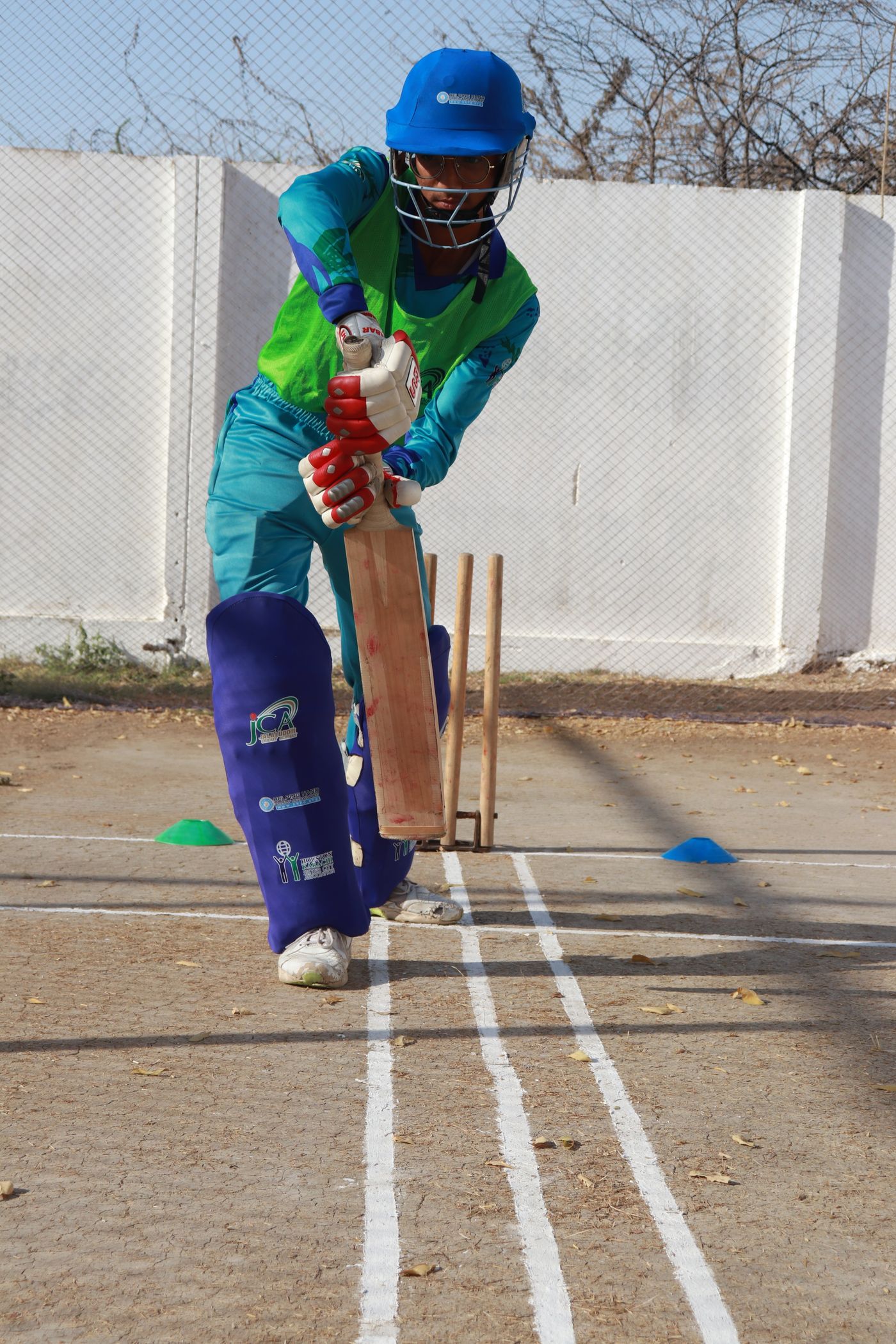
Choose a cricket practice mat for the surface underneath it, the type of bowling it will receive and the space available—not by carpet colour alone. A roll-out mat needs a flat, firm, clean base and secure, flush edges; a permanent non-turf system needs specialist design, drainage and installation. Measure the usable run-up and ball path, confirm whether the mat is rated for spikes and hard-ball use, and follow the supplier's fixing and maintenance instructions. For portable training, prioritise a consistent landing zone, non-slip backing, safe transitions and a weight your group can move without dragging or folding it.
What a cricket practice mat actually does
A cricket practice mat creates a more predictable landing surface than worn grass, bare soil or an improvised strip.
It can help a player repeat drills, protect a shared training area and make a temporary practice lane easier to set up. It cannot make an uneven, soft or unsafe base disappear. The mat and the surface below it work as one system.
Before buying, decide whether you need:
- a short batting-end mat for throwdowns
- a longer roll-out strip for bowling practice
- a portable indoor mat
- a semi-permanent outdoor strip
- a fully constructed non-turf pitch or net lane
Those are different jobs. A portable carpet is not a substitute for an engineered outdoor pitch.
Start with the training purpose
Use determines the useful length, pile and base.
| Main use | What matters most | Common mistake |
|---|---|---|
| Batting tee and drop feeds | Stable stance, clean ball pickup, compact storage | Buying more length than the space needs |
| Coach throwdowns | Consistent batting crease area and a safe front edge | Leaving a raised edge in the ball or foot path |
| Sidearm or overarm feeds | A reliable ball landing zone and enough braking space | Assuming a short mat will control every delivery |
| Full bowling | Long, secure surface plus safe run-up and follow-through | Treating a loose roll-out mat as a permanent lane |
| Indoor hall | Non-marking, non-slip backing and venue approval | Using outdoor fixings on a sports floor |
| Club net | Durability, drainage, regularity and professional installation | Selecting carpet before assessing the base |
Write down the fastest delivery, ball type, player age, footwear and location. That brief is more useful than starting with a product name.
How long should the mat be?
Length should cover the part of the ball path you need to control.
A short mat can be enough for:
- batting tees
- underarm feeds
- tennis-ball drills
- controlled throwdowns where the ball does not land on the mat
A longer mat is usually more useful when the ball must land on a consistent surface before reaching the batter.
For full bowling, do not assume that a portable mat automatically creates a regulation-quality pitch. The complete lane includes the run-up, delivery area, landing zone, batting crease, follow-through and safe space around the net.
Measure the real site before ordering:
- usable length inside the net or training area
- distance from the bowling release area to the batter
- likely ball landing zone for different bowlers
- front and rear clearance
- space for the mat to be rolled and stored
- door, gate and vehicle access
If a supplier lists nominal dimensions, confirm the finished playing length and width rather than relying on the packaging description.
Width and stance space
The mat needs enough width for the intended drill without encouraging players to stand on a loose edge.
Check:
- whether both right- and left-handed batters can take guard comfortably
- whether the bowling follow-through remains centred
- whether crease markings fit without crowding the edges
- whether a coach can feed safely from the planned position
- whether the mat sits clear of net posts and side cables
A wider mat can add useful stance space, but it is heavier, more expensive and harder to store. Buy usable width, not simply the largest roll.
Surface type and ball behaviour
Practice surfaces vary in fibre, density, texture and cushioning.
Those choices affect:
- pace off the surface
- bounce height
- seam movement
- spin grip
- abrasion
- drainage
- rolling resistance
- comfort underfoot
There is no universally “best” carpet. The aim is a surface appropriate for the drill and installed as its maker intended.
Ask the supplier:
- Is it rated for indoor, outdoor or both?
- Is it intended for cricket-ball impact?
- What base is required?
- Can players wear rubber studs or spikes?
- Is sand, adhesive, tape or mechanical fixing required?
- What weather and temperature limits apply?
- How should it be cleaned and stored?
Do not infer hard-ball suitability from a green colour or cricket-themed listing.
The base matters more than many buyers expect
A mat laid over bumps usually reproduces the bumps. A mat over soft ground can crease, sink or move. A mat over concrete may play faster and feel harder than the same product over a resilient sports base.
Portable mats commonly need a base that is:
- flat
- firm
- dry enough for the product
- free from stones and debris
- clean at the edges
- compatible with the backing
Permanent non-turf facilities are engineering projects. The England and Wales Cricket Board’s TS6 standard for outdoor non-turf cricket pitches covers construction, surface regularity, drainage, materials and performance. It is useful evidence of how much sits beneath the visible carpet.
For a club installation, obtain site-specific advice rather than adapting a portable mat guide into a construction specification.
Roll-out versus permanent system
Roll-out mat
Best when the group needs flexibility and can inspect the setup every session.
Advantages:
- lower initial commitment
- removable for other users
- can be stored in poor weather
- useful for changing drills
Trade-offs:
- must be laid and secured correctly each time
- can move, ripple or curl
- needs dry, protected storage
- often requires several adults to handle safely
Permanent or semi-permanent surface
Best when a club has a dedicated area, budget and maintenance plan.
Advantages:
- repeatable setup
- better integration with base and drainage
- clear markings and lane planning
- less daily handling
Trade-offs:
- specialist design and installation
- higher capital cost
- repair obligations
- site and consent considerations
Compare whole-life cost, not only carpet price.
Backing and grip
The backing helps control movement and protects the surface beneath.
For indoor use, confirm that it:
-
is approved by the venue
-
does not mark the floor
-
remains stable under batting movement
-
does not react with the floor finish
-
can be removed without adhesive residue
For outdoor use, confirm the prescribed anchoring method. Do not improvise with exposed nails, loose weights or tape that becomes a trip hazard.
If the product needs adhesive or mechanical fixing, installation should follow the supplier’s exact system.
Edge safety
Mat edges deserve a deliberate check before every session.
Stop play if you find:
- a lifted front edge
- a curled corner
- a buckle or ripple
- a torn seam
- a gap between joined sections
- an exposed fixing
- water underneath
- loose debris in the ball path
The batting end is not the only risk area. Bowlers and fielders can cross the side or rear edge at speed.
Use contrasting, flush transitions where the design allows. Never hide a damaged edge under loose tape and assume it is repaired.
Spikes, rubber studs and flat soles
Footwear rules depend on the product and venue.
Metal spikes can cut some synthetic surfaces and damage indoor floors. Smooth soles may slip on a dusty or wet mat. Rubber studs can grip differently depending on pile and moisture.
Check both:
- the mat manufacturer’s footwear guidance
- the venue’s footwear policy
Test movement progressively. Start with stance and walking, then controlled footwork, before allowing full bowling or aggressive changes of direction.
Our cricket-shoe buying guide explains why sole type should match the surface rather than the player’s usual outdoor preference.
Hard ball, training ball or tennis ball?
The ball changes impact, bounce and risk.
A junior drill with a soft training ball does not prove that the surface is suitable for senior hard-ball bowling. Confirm the intended ball with the supplier and set the net, spacing and protective equipment accordingly.
Progress sensibly:
- inspect the first bounces at low speed
- watch for skidding or excessive lift
- check whether the mat moves after impact
- stop if the ball behaves unpredictably at a join or edge
- keep non-participants outside the striking and rebound area
Use helmets and other protection appropriate to the drill. The mat does not reduce the need for a safe coaching setup.
A practical setup routine
- Inspect the floor or ground.
- Remove stones, sand, leaves and moisture as the product permits.
- Unroll without dragging the playing face across rough ground.
- Align the mat with the intended line of play.
- Allow it to settle if the instructions require.
- Secure it using only the approved method.
- Walk every edge and join.
- Mark creases with an approved method that will not damage the surface.
- Test stance, delivery and ball bounce at low speed.
- Recheck after the first few overs.
Have one adult responsible for the final inspection rather than assuming somebody else has checked it.
Storage and handling
Roll the mat in the direction recommended by the manufacturer. Folding can create permanent ridges in products designed to roll.
Good storage is:
- dry
- ventilated
- away from direct heat
- protected from rodents and sharp tools
- supported so the roll does not flatten
- accessible without lifting over people or equipment
Use enough people or suitable handling equipment for the weight. Do not drag a large wet mat by one corner.
Label the roll with its orientation, approved surface and handling instructions so a new volunteer can set it up correctly.
Cleaning and maintenance
Follow the maker’s instructions for brushing, vacuuming, rinsing or detergent.
Avoid:
- pressure washing unless explicitly permitted
- harsh solvents
- stiff metal brushes
- storing while wet
- rolling stones or mud into the pile
- painting markings with an unapproved product
Keep a simple inspection log for club equipment. Record edge damage, backing wear, movement, cleaning and repairs.
What should a club ask before buying?
- What exact drills and age groups will use it?
- Who will lay, inspect and store it?
- Where will the roll live?
- What is the prepared base?
- Is drainage adequate?
- Which ball and footwear are approved?
- What installation accessories are required?
- What warranty exclusions apply?
- Are replacement sections available?
- Is professional installation required?
If the mat is part of a broader programme, align the purchase with nets, balls, markers and storage. The club and team equipment ordering guide provides a New Zealand-focused checklist for consolidating requirements before requesting a quote.
Common buying mistakes
Buying carpet before assessing the base
The base controls regularity, drainage and much of the playing feel.
Choosing by length alone
Width, backing, pile, handling weight and approved ball use matter too.
Ignoring storage
A quality mat can deteriorate quickly if it is folded, soaked or crushed.
Assuming outdoor means weatherproof forever
Outdoor-rated products still have cleaning, anchoring and storage requirements.
Allowing play over a raised edge
Pause and fix the setup. Convenience is not worth a trip or ball-deflection hazard.
Buying checklist
- Training purpose defined
- Site measured
- Base assessed
- Ball type confirmed
- Footwear rules confirmed
- Indoor or outdoor rating verified
- Fixing method understood
- Handling weight checked
- Storage location ready
- Cleaning method confirmed
- Edge inspection assigned
- Warranty and spare parts reviewed
The bottom line
Buy the practice surface as a system: mat, base, fixing, space, ball, footwear, storage and maintenance.
A shorter, well-secured mat on a prepared base is more useful than a long roll that ripples or cannot be stored correctly. For permanent lanes, involve a qualified facility specialist and use the relevant technical standards.