Cricket Club First Aid Kit and Match-Day Emergency Plan Guide
Plan a cricket first aid kit, trained cover, emergency access, concussion response and match-day checks for clubs, schools and teams.
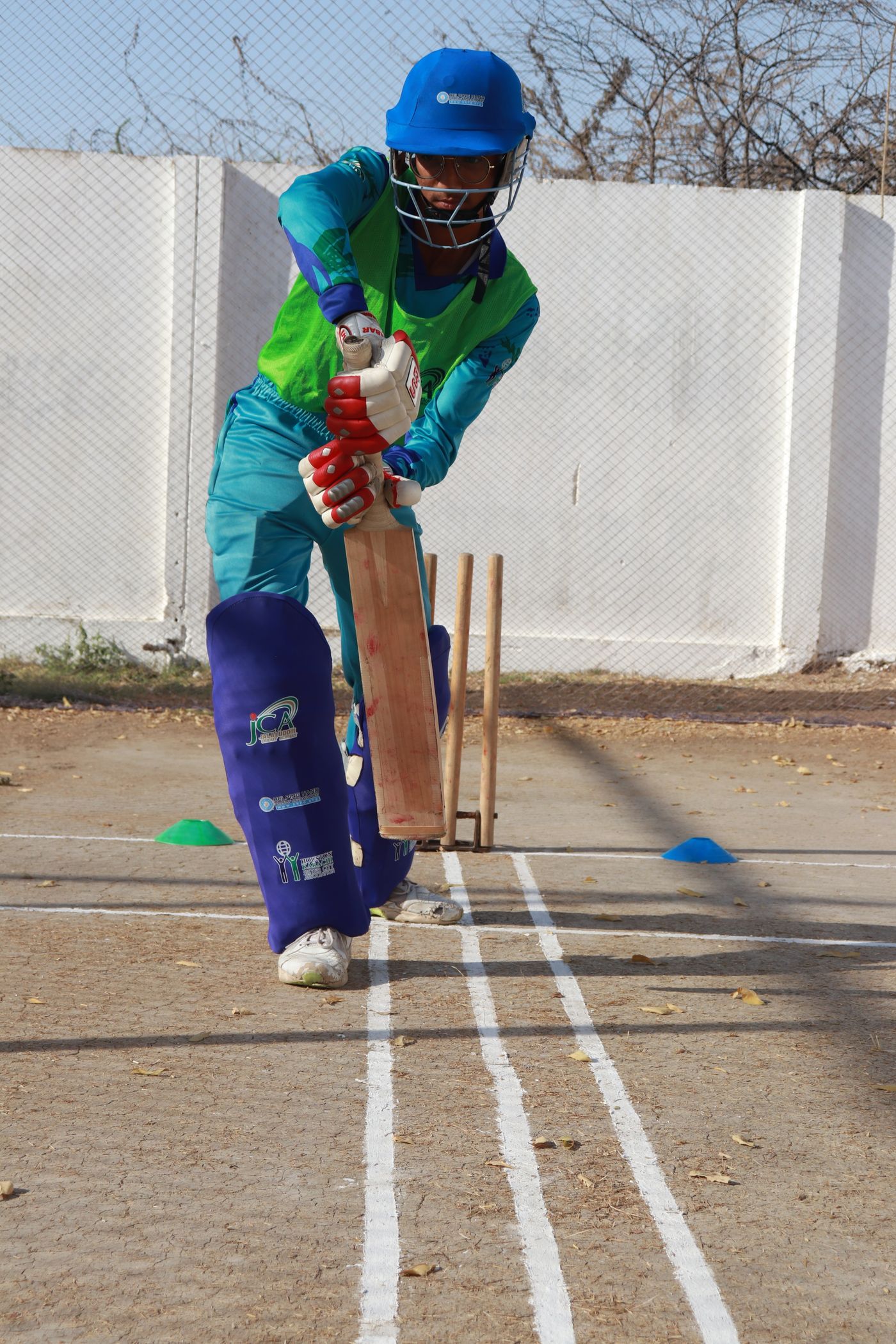
A club needs more than a box of dressings. Start with a documented risk assessment, then provide an appropriately stocked and in-date kit, trained first-aid cover, a charged phone, the exact venue address, clear ambulance access, the nearest emergency service and defibrillator details, incident records and a current medical emergency action plan. Check the kit before every match or training block. For suspected concussion or serious head or neck injury, stop play, follow the current New Zealand concussion guidance and call 111 when urgent care is required.
A first aid kit is one part of the system
Cricket clubs often focus on buying a kit and miss the other things that make it usable. A sealed box in a locked room is not an effective response plan if nobody can find the key, the mobile signal is poor or the ambulance entrance is blocked.
New Zealand Cricket’s Game On resource says clubs should have a qualified first aider at training and competitions, keep a well-signposted first aid kit available, designate a first-aid area, maintain clear emergency access and have a phone and documented emergency procedure.
The ECB’s current recreational safety guidance makes the same practical point: first-aid provision should follow a risk assessment covering the activity, ball type, participant ages and numbers, distance to emergency care, defibrillator access and phone reliability.
This guide is a planning checklist. It does not replace trained first-aid instruction, current NZ law, venue requirements or advice from a qualified supplier.
The five parts of match-day readiness
| Part | What it covers | Owner to name |
|---|---|---|
| People | Trained first aiders and clear roles | Club or event organiser |
| Equipment | Suitable, stocked and in-date kit | Named kit custodian |
| Place | Treatment area, emergency access and signage | Ground manager |
| Communication | Phone, address, contacts and handover | Team manager or scorer |
| Procedure | Medical emergency plan, concussion and incident reporting | Club safety lead |
Every part should have a named person and a backup. “Someone will know” is not a plan.
Begin with a risk assessment
Do not copy another club’s kit list without considering your own environment.
Assess:
- hard-ball, modified-ball or soft-ball activity
- match, nets, bowling machine or fitness session
- junior, adult, mixed-age or disability cricket
- expected participant and spectator numbers
- number of simultaneous games or net lanes
- weather, heat, cold and lightning exposure
- distance and travel time to urgent medical care
- mobile coverage or landline availability
- ambulance access to the playing and net areas
- defibrillator location and opening hours
- known venue hazards and public access
WorkSafe New Zealand says first-aid equipment, facilities and trained cover should reflect the nature of the work, workplace and people. A cricket club should apply the same risk-based thinking to organised activity rather than treating a generic kit as sufficient for every ground.
Review the risk assessment when the venue, programme, participant group or emergency service access changes.
Choose the right kit size and location
A single compact pouch may suit one travelling team but not a club operating several matches and nets at once.
Consider:
- a clearly marked primary kit in the pavilion
- a portable match kit for each off-site team
- a separate kit near distant nets
- weather-protected storage that is still quickly accessible
- additional provision for tournaments or multiple fields
Do not hide the kit behind stock, kit bags or a locked office door. Signage should be visible to home and visiting teams.
Record the exact storage location in the emergency plan and on team-manager information.
What belongs in the kit?
Use a reputable New Zealand first-aid supplier and the current WorkSafe guidance to set the baseline. The final contents should reflect the club’s risk assessment and trained first-aider advice.
Common categories include:
| Category | Purpose | Stock-control point |
|---|---|---|
| Disposable gloves | Barrier protection | Correct sizes, intact packs |
| Sterile dressings and gauze | Covering wounds and controlling bleeding | Sealed and in date |
| Non-adherent dressings | Covering suitable surface injuries | Multiple useful sizes |
| Adhesive dressings and tape | Minor wound coverage and securing dressings | Check adhesive condition |
| Conforming and crepe bandages | Securing dressings and support within training | Clean, sealed and appropriate sizes |
| Triangular bandages | Trained first-aid use | Know where they are |
| Sterile saline | Appropriate irrigation within instructions | Single-use, in date |
| Eye pads | Trained response to eye injury | Sterile and sealed |
| Scissors and tweezers | Trained first-aid use | Clean, safe and accessible |
| Waste bags | Safe disposal and separation | Restock after every incident |
| First-aid guide and inventory card | Supporting trained response and checks | Current edition and visible |
Do not add medicines simply because another team carries them. Medication storage, consent, allergies, age restrictions and administration require clear policy and competent oversight. A standard first-aid kit is not a substitute for a player’s prescribed medication or individual medical plan.
Cricket-specific additions to consider
The risk assessment may justify supporting items outside the standard kit.
Cold packs
If used, follow the product instructions and trained first-aid guidance. Check instant packs for damage and expiry. Do not store reusable packs where they cannot be kept at the required temperature.
Emergency blanket
This may help trained responders manage exposure while waiting for assistance. Keep it sealed and replace it after use.
Drinking water and hand-washing access
The ECB recommends a treatment area with shelter, drinking water, hand-washing facilities, a chair and waste disposal. These facilities support the response but do not replace sterile supplies.
Player medical information
Clubs need a privacy-conscious process for relevant emergency information and contacts. Do not leave identifiable medical records inside an open kit. Limit access, keep information current and follow the club’s privacy and safeguarding policy.
Defibrillator information
Record the nearest automated external defibrillator location, access instructions and hours. An AED that is locked inside another facility after hours may not be available on match day.
Concussion and head impacts
Cricket can produce head impacts from the ball, bat, ground or collision. A first aid kit cannot diagnose concussion.
ACC’s current national guidance says urgent hospital care is necessary when there is concern about structural head or neck injury, and 111 should be called for urgent assistance. The wider New Zealand principle is simple: recognise the concern, remove the person from activity and obtain appropriate medical assessment rather than attempting a same-day return.
The club should keep the current NZC concussion policy and national guidance available to coaches, captains, umpires and team managers.
Plan for:
- stopping play safely
- contacting the trained first aider
- preventing return to play when concussion is suspected
- contacting a parent or caregiver for a junior
- recording the incident and advice given
- arranging medical assessment and safe transport
- handing over clear information to emergency services
Never let equipment inspection delay care for the player. See our cricket helmet size and safety guide for preventive equipment checks.
Build a medical emergency action plan
The plan should be short enough to use under pressure and detailed enough for a visitor to follow.
Include:
- venue name and exact street address
- map pin or recognised entrance
- ambulance gate and route to the field or nets
- who unlocks gates or moves barriers
- location of the first aid kit and treatment area
- first aider names or role identifiers
- emergency phone and backup communication method
- nearest emergency department or urgent-care service
- nearest accessible defibrillator
- process for stopping play and controlling the area
- who meets emergency services at the entrance
- incident-reporting and parent/caregiver notification steps
The ECB recommends sharing the plan with first aiders, coaches and team managers and updating it immediately when circumstances change.
Post a concise emergency information sheet beside the kit, in the scorebox and near the main phone. Avoid putting private medical information on the public version.
Clear ambulance access
Before play, walk the route from the public road to the field and nets.
Check:
- gate width and lock access
- parked vehicles
- temporary fencing and sponsor signs
- soft ground or obstacles
- after-hours building access
- lighting for evening training
- whether a second field needs a different entrance
Nominate someone to meet the ambulance. Do not assume emergency crews will know the club layout.
The treatment area
A useful treatment space should be easy to find but offer reasonable privacy.
Aim for:
- shelter from weather
- adequate light
- a chair or suitable resting place
- hand-washing access
- drinking water
- waste disposal
- room for a first aider to work
- a clear route to emergency transport
Keep the area free of stored equipment. A treatment room that becomes a kit cupboard may be inaccessible when needed.
Pre-match and pre-training check
Use a short signed checklist.
- Qualified first-aid cover confirmed
- Primary and portable kits present
- Seals, stock and expiry dates checked
- Emergency phone charged and connected
- Venue address and entrance confirmed
- Ambulance access clear
- AED location and access checked
- Treatment area open and signposted
- Current concussion guidance available
- Visiting team told the emergency procedure
- Incident form available
If a required control is missing, the organiser should reassess whether activity can proceed safely.
Kit inspection and restocking
Assign one custodian and a backup. Check the kit:
- before each match or organised training block
- immediately after any use
- monthly during the season
- before an off-site trip or tournament
- after long storage or exposure to heat or moisture
Use an inventory card with:
- item
- required quantity
- actual quantity
- expiry date where relevant
- date checked
- initials
- restock action
Do not keep opened, wet, contaminated or damaged sterile items. Replace them according to supplier guidance.
Travelling teams
An away team still needs a plan.
Before departure, confirm:
- who carries the portable kit
- who is the first aider
- the destination address
- host emergency procedures
- local urgent-care options
- phone coverage
- emergency contacts for junior players
- return transport if a player cannot continue
Ask the host about AED and ambulance access rather than assuming the home club has told every visitor.
Junior cricket and consent
Junior teams need clear responsibility for contacting parents or caregivers and sharing relevant emergency information.
Keep current contact details and follow the organisation’s safeguarding and privacy procedures. Coaches should know who can collect an injured child and what to do when the usual caregiver is absent.
Do not ask children to manage the club’s emergency equipment or make return-to-play decisions.
Nets and bowling machines
Net sessions create different access and supervision issues from matches.
- Keep the first aid kit outside the impact area but close enough for rapid access.
- Stop all lanes before responders enter.
- Isolate the bowling machine and balls.
- Keep waiting players out of the response route.
- Make sure evening access and lighting are included in the plan.
Our cricket net safety checklist covers lane organisation and waiting zones.
Incident records and review
After an incident, record factual information under the club’s approved process:
- date, time and location
- activity taking place
- immediate response
- people or services contacted
- equipment used
- known environmental factors
- follow-up action assigned
Protect personal information and limit access. Review the response to improve access, supplies, communication or supervision. Do not turn the review into speculation about diagnosis or blame.
NZC’s EcoPortal also provides club-facing routes for health, safety and incident reporting.
Common readiness failures
| Failure | Better control |
|---|---|
| Kit is locked away | Named key holder and accessible match-day location |
| Nobody checks expiry dates | Signed inventory schedule |
| Phone signal is poor | Tested backup communication method |
| Ambulance gate is blocked | Pre-session access walk and named marshal |
| Only one person knows the plan | Share it with coaches, captains and managers |
| Public sheet contains private medical data | Separate public emergency instructions from protected records |
| Kit was used but not restocked | Immediate post-incident check |
| Concussion is treated as a kit problem | Follow current NZC and national medical guidance |
Club buying checklist
- Risk assessment completed
- Kit size matches simultaneous activity
- Reputable NZ supplier
- Stock list and expiry tracking provided
- Portable option for away teams
- Weather-resistant but accessible storage
- Clear signage
- First-aid guide included
- Restock items readily available
- Named custodian and backup
- Emergency plan written and shared
The best kit is the one that matches the risk, can be reached quickly and is supported by trained people and a rehearsed plan.
Sources
- New Zealand Cricket: Game On resource
- New Zealand Cricket Community Hub: Support and learning resources
- New Zealand Cricket Community Hub: Laws and playing conditions
- WorkSafe New Zealand: First aid at work
- ACC: Concussion in sport and recreation
- ECB: Recreational Cricket Safety Guidelines, December 2025