Australia Chase 188 to Beat England in 2026 T20I Opener at the MCG
Nikhil Chaudhary's 66 and Jack Edwards' unbeaten 25 carried Australia to 191 for 7, beating England by three wickets with one ball remaining.
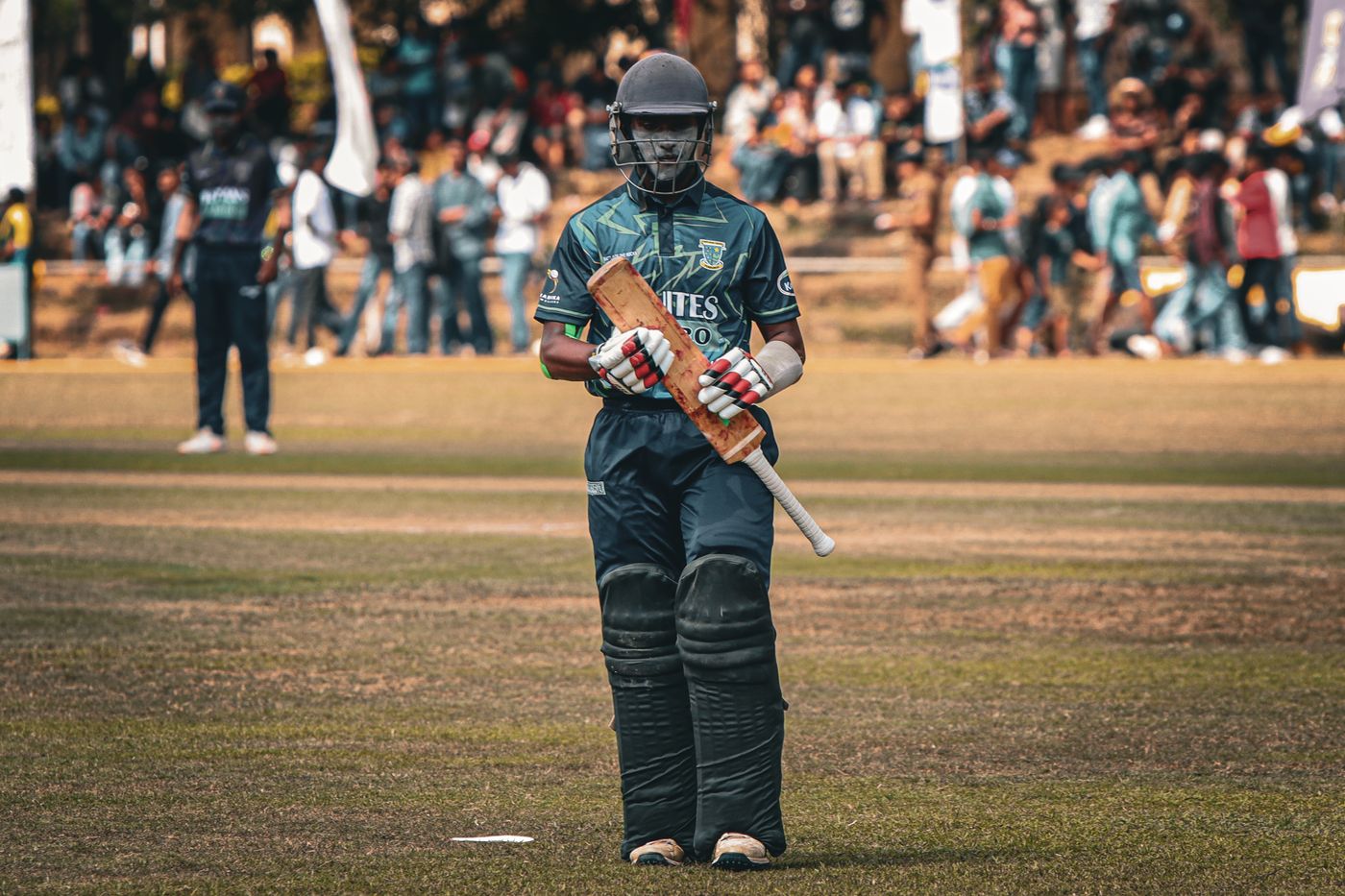
Australia beat England by three wickets in the first T20I at the Melbourne Cricket Ground on 21 November 2026. England made 187 for 9, led by Harry Brook's 65 from 28 balls. Australia reached 191 for 7 in 19.5 overs after Nikhil Chaudhary made 66 from 38 balls and Jack Edwards finished unbeaten on 25 from 11. The result gave Australia a 1-0 lead in the five-match series.
Australia completed a 188-run chase with one ball remaining to beat England by three wickets in the opening T20 international at the Melbourne Cricket Ground on 21 November 2026.
The match turned on two contrasting innings. Harry Brook attacked from the start of England’s third-wicket partnership and made 65 from 28 balls. Nikhil Chaudhary then controlled Australia’s chase through the middle overs, scoring 66 from 38 before Jack Edwards finished the job with an unbeaten 25 from 11.
Cricket Australia’s official match report confirms the final scores: England 187 for 9 and Australia 191 for 7 in 19.5 overs. Australia lead the five-match series 1-0.
Match summary
| Detail | Outcome |
|---|---|
| Match | Australia v England, 1st T20I |
| Date | 21 November 2026 |
| Venue | Melbourne Cricket Ground |
| England | 187/9 in 20 overs |
| Australia | 191/7 in 19.5 overs |
| Result | Australia won by three wickets |
| Series | Australia lead 1-0 |
| Top score | Nikhil Chaudhary 66 from 38 balls |
| England top score | Harry Brook 65 from 28 balls |
England recover through Brook and Banton
Australia struck with the first ball of the match when Joel Davies dismissed Phil Salt. That early wicket did not keep England quiet for long.
Brook and Tom Banton added 97 for the third wicket. Brook reached fifty in 20 balls and finished with six sixes in his 65. Banton made 39 from 22, helping England move from early disruption to a position where 200 was possible.
Australia’s fielding made the innings harder than it needed to be. Cricket Australia’s report recorded six dropped chances, including early lives for Brook and Banton. The missed opportunities allowed England’s main partnership to gather momentum.
Chaudhary changed the shape of the innings with the ball. His four overs cost only 21 and brought two wickets, including Brook. Jack Edwards took 2 for 27, while Davies, Ben Dwarshuis, Adam Zampa and Riley Meredith each took one.
England lost three wickets for seven runs across the final eight balls and finished on 187 for 9. That late squeeze mattered: Australia eventually required almost every delivery of the chase.
Harper changes the tempo on debut
Australia lost Jake Fraser-McGurk in the first over, bowled by Liam Dawson. Sam Harper responded with an assertive 32 from 15 balls on T20I debut.
Harper’s intent prevented England from controlling the powerplay. He and captain Mitch Marsh put on 50 for the second wicket, although neither converted the start into the decisive innings. Harper was caught from Henry Crocombe’s bowling and Marsh made 37 from 32 before picking out short fine leg.
At that point Australia needed a batter who could preserve the required rate without treating every ball as a boundary opportunity. Chaudhary supplied that balance.
Chaudhary’s all-round night
Chaudhary hit six fours and two sixes in his 66. His innings accelerated after Marsh’s dismissal, and it gave Australia’s less experienced middle order a target that remained reachable.
The significance was larger than the score. Having already delivered the most economical spell of the match, Chaudhary became the central decision-maker in the chase. He attacked when England missed length and kept rotating the strike between the larger shots.
His dismissal with 20 still required from two overs created one final contest. England had an opening, but Edwards was already moving at a scoring rate that kept the chase in Australia’s control.
Edwards finishes the chase
Edwards struck 25 not out from 11 balls. Australia needed 11 from the final over, bowled by Sam Curran.
Edwards hit the first ball for six, reducing the task to five from five. Australia completed the chase at 191 for 7 with one ball unused.
That finish prevented Chaudhary’s innings from becoming a near miss. It also demonstrated the value of boundary options at the end of a chase: one clean strike immediately changed the over from high pressure to manageable accumulation.
The decisive moments
Brook punishes missed chances
Australia’s early fielding errors gave England’s captain time to settle. Brook’s 20-ball fifty transformed the innings after the first-ball wicket.
Chaudhary controls both innings
His 2 for 21 interrupted England’s surge, then his 66 held Australia’s chase together. No other player influenced as much of the match.
England lose late wickets
At 180 for 6 with eight balls remaining, England had a path past 195. Finishing 187 for 9 left Australia a target that one strong middle-over partnership could reach.
Edwards attacks the final over
Eleven from six could have produced a defensive first ball. Edwards chose the scoring option and his six removed most of the uncertainty.
What each side will review
Australia won, but six dropped chances are an obvious concern. A stronger fielding night could have reduced the chase substantially. The positive was the contribution from debutants and newer players: Harper gave the innings speed, Lachlan Shaw produced an outstanding boundary catch, and Edwards finished under pressure.
England can point to a competitive total and Brook’s acceleration. The harder questions concern the final eight balls of their innings and the inability to defend after Chaudhary was out. Dawson’s early wicket and Curran’s change of pace created opportunities, but Australia repeatedly found a boundary when the required rate threatened to rise.
The match also contained a late injury concern. Cricket Australia’s report said Will Jacks left the field in the penultimate over after being struck on the hand by a powerful drive. Any assessment or availability decision belongs to England’s official medical update; it should not be inferred from the incident alone.
Key performances
| Player | Contribution |
|---|---|
| Nikhil Chaudhary | 66 from 38; 2/21 from four overs |
| Jack Edwards | 25* from 11; 2/27 |
| Sam Harper | 32 from 15 on T20I debut |
| Mitch Marsh | 37 from 32 |
| Harry Brook | 65 from 28 |
| Tom Banton | 39 from 22 |
What comes next
The second T20I is scheduled for 24 November at Gold Coast Stadium, followed by matches at the Gabba on 27 November, the Sydney Cricket Ground on 29 November and Manuka Oval on 2 December.
Australia take the early series lead, but the opener exposed areas for both sides. England showed they can build a defendable total despite an early wicket; Australia showed depth in a chase but cannot expect repeated fielding mistakes to go unpunished across a five-match series.
Verified sources
- Cricket Australia: official first T20I match report
- Cricket Australia: fixtures and result
- ICC: fixtures and results
Image: existing CricketWise editorial asset. No commercial referral links have been added to this match report.